

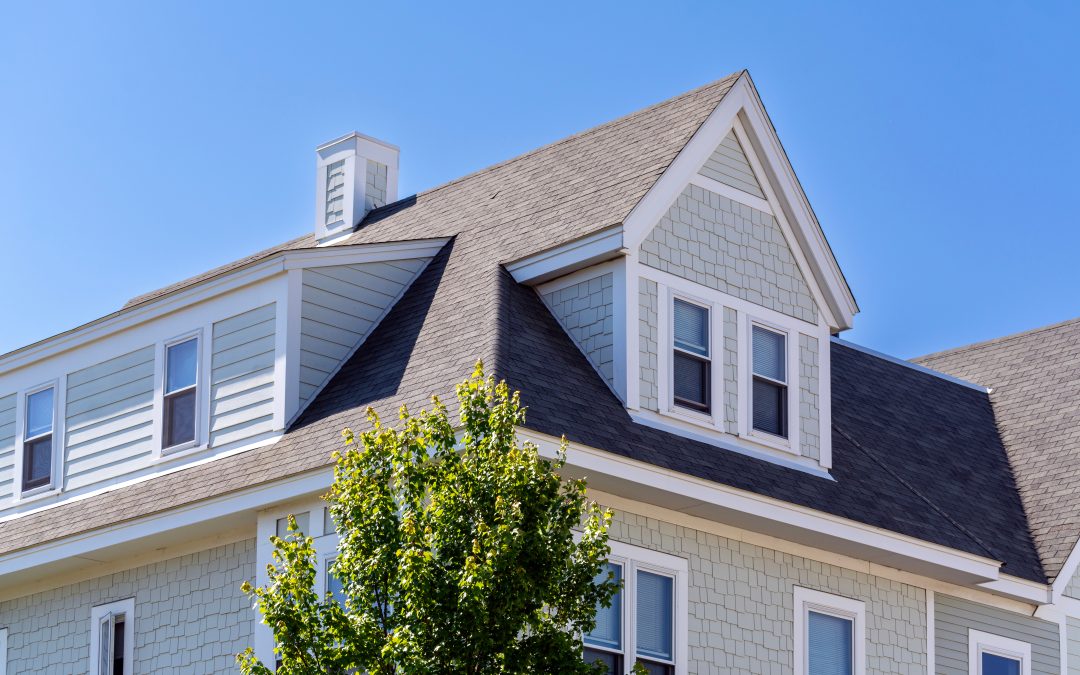
Roof maintenance is important because your roof does more than just protect your home—it preserves your investment, supports your family’s safety, and adds to your property’s curb appeal. But without consistent upkeep, even the best roofing system will deteriorate over time. The good news? With a few proactive habits, you can significantly extend the life of your roof and avoid major repair costs down the line.
Here’s what smart homeowners gain by following routine roof maintenance:
- Longer roof lifespan: A well-maintained roof can last years—or even decades—longer than one that’s neglected.
- Fewer unexpected repairs: Regular upkeep helps catch small problems before they escalate into emergencies.
- Stronger home protection: A sound roofing system prevents water damage, mold growth, and insulation issues.
Let’s walk through seven essential tips to help you get the most life and value from your roof.
🗓️ Schedule Professional Roof Inspections Twice a Year
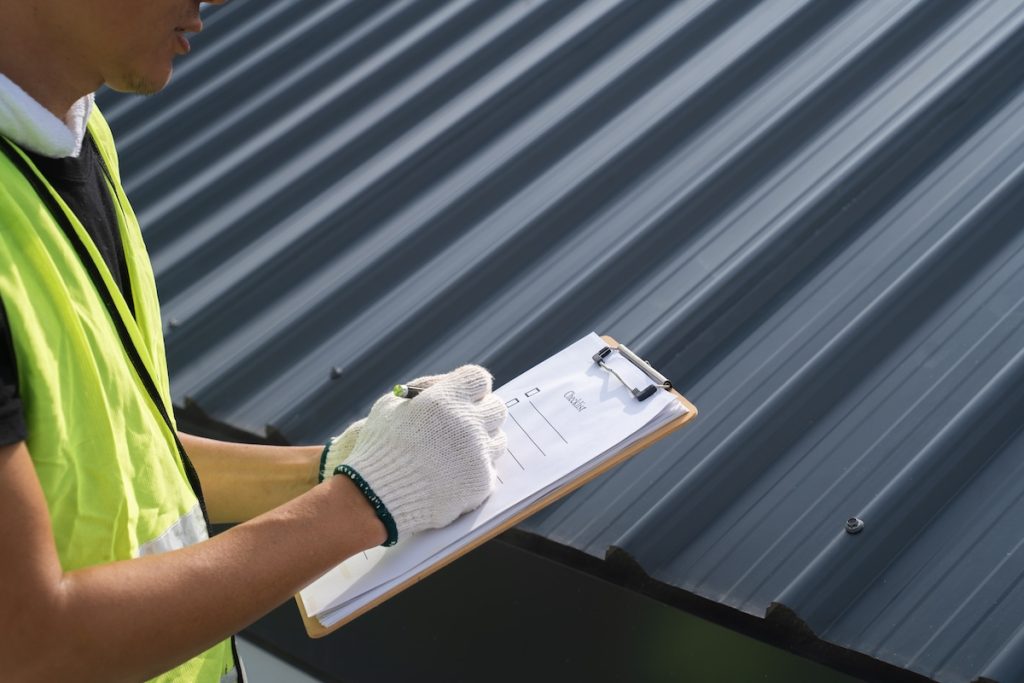
Inspections are a foundational part of any good roof maintenance plan. Many roofing problems start small and silently—just a lifted shingle or a tiny flashing crack. Left unchecked, those minor issues can lead to major water damage or costly structural deterioration. That’s why bringing in a professional to assess your roof’s condition is one of the smartest steps a homeowner can take.
Why Inspections Make a Big Difference
Roofing contractors are trained to spot early warning signs most people overlook, like granule loss, punctures, minor leaks, or sagging decking. These red flags are often invisible from the ground but signal problems that could get much worse with time. A proper inspection also includes checking your flashing, vents, sealant, chimney caps, and valleys—critical areas that are often the first to fail.
When to Schedule Your Inspections
Aim to have your roof inspected twice per year: once in the spring and again in the fall. These seasonal checkups help address damage from harsh weather and prepare your roof for upcoming storms. Additionally, always schedule a follow-up inspection after a major storm, especially if your area experiences hail, high winds, or fallen debris. Even a seemingly small storm can cause hidden issues.
🍂 Keep Gutters and Downspouts Free of Debris
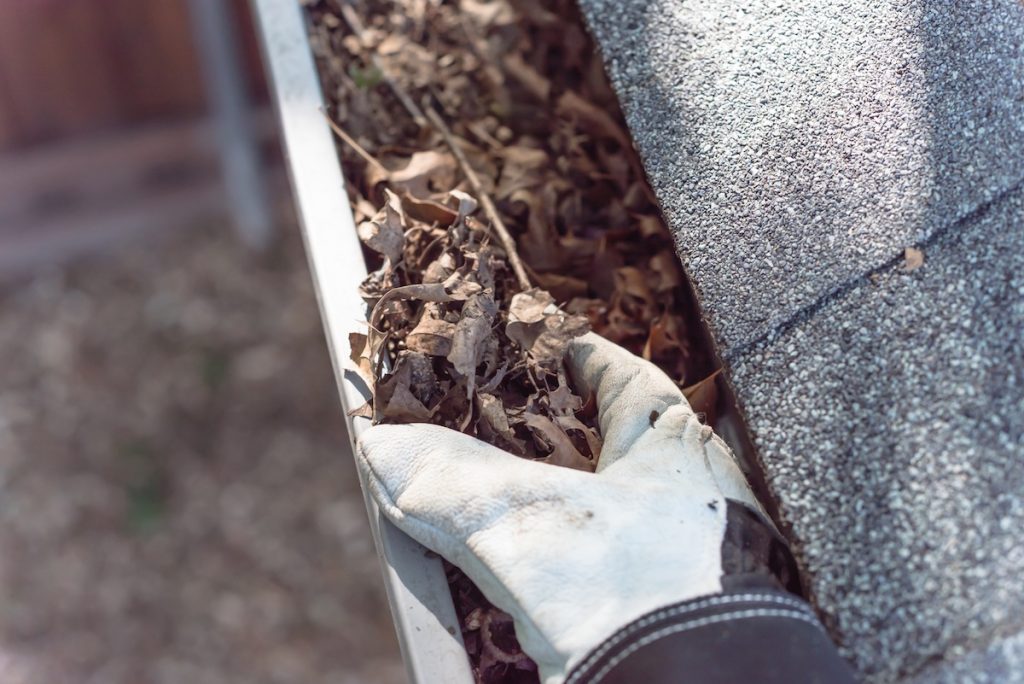
Your gutter system plays a vital role in protecting your roof’s structure. When gutters get clogged with leaves, sticks, or shingle granules, water has nowhere to go. It backs up under your shingles, spills onto fascia boards, and can even seep into your foundation. Regular gutter cleaning helps prevent all of that.
How Clogged Gutters Harm Your Roof
When water sits in clogged gutters, it can rot wood trim, promote mold growth, and wear down the lower edges of your roof. In colder climates, backed-up water also leads to ice dams—masses of frozen water that force their way under shingles. That can result in leaks, broken shingles, and interior water damage that’s expensive to repair.
Best Practices for Gutter Maintenance
- Clean seasonally: Remove debris in the spring and fall, and after heavy storms or high winds.
- Inspect downspouts: Make sure they drain several feet away from your home to prevent foundation issues.
- Install gutter guards: These help reduce buildup and make maintenance easier year-round.
- Check for sagging: If gutters pull away from the roofline, water may be spilling behind them.
🛠️ Address Repairs Promptly—Even Small Ones
One missing shingle or a tiny leak might not seem like a big deal, but it can become one quickly. The longer you wait to fix a roof issue, the more expensive and destructive it becomes. Small repairs now can save you from a full roof replacement down the line.
The Hidden Cost of Waiting
A cracked vent boot or damaged flashing can let in just enough moisture to rot decking, soak insulation, and stain ceilings. Once water enters your roofing system, it can spread invisibly for months. Mold, mildew, and pests often follow. By handling repairs immediately, you stop problems before they spiral—and avoid the stress of emergency calls or insurance claims.
Signs You Shouldn’t Ignore
- Missing, curled, or broken shingles
- Visible light in the attic
- Dark spots or staining on ceilings or walls
- Damp insulation or musty smells
- Popping nails or sagging rooflines
🌲 Trim Trees and Overhanging Branches
Tree branches hanging over your roof can seem harmless—but they’re a major cause of preventable roof damage. In high winds or storms, they can scrape against shingles, break off, and puncture your roof, or deposit debris that accelerates wear.
How Trees Threaten Your Roof’s Integrity
Even in normal weather, overhanging limbs drop twigs, leaves, and seed pods onto your roof. That debris can clog valleys and gutters, hold moisture against shingles, and create the perfect environment for algae and moss. In storms, falling branches are one of the top causes of roof punctures and gutter damage.
Tree Maintenance Tips for Homeowners
- Prune regularly: Keep branches trimmed at least 8–10 feet from your roof’s edge.
- Remove dead limbs: These are much more likely to break during storms.
- Watch for leaning trees: Roots close to your foundation or roofline may need removal.
- Hire a pro: Tree trimming near your roof can be risky without the right equipment.
💨 Maintain Proper Attic Ventilation and Insulation
Your attic is a key part of your roofing system. Without proper airflow, heat and humidity build up under your roof. That can damage your shingles from underneath, warp your decking, and make your home less energy efficient.
Why Ventilation Impacts Roof Lifespan
When warm, moist air is trapped in your attic, it encourages mold growth and can cause ice dams in colder weather. In hot climates, poor ventilation accelerates shingle aging and increases your cooling bills. A well-ventilated attic allows air to circulate, keeping your roofing system dry and reducing overall wear.
How to Keep Your Attic Performing Well
- Check for airflow: Make sure soffit, ridge, and gable vents aren’t blocked.
- Look for damp spots: Moisture inside the attic is a sign of poor ventilation or leaks.
- Upgrade insulation: Insulation that’s too thin or compressed won’t protect your roof.
- Seal around fixtures: Gaps around attic fans or recessed lighting can let in warm air.
✅ 7 Essential Roof Maintenance Tips

Here’s a quick-reference list of the most important roof maintenance tasks every homeowner should stay on top of:
- Inspect your roof twice a year: Schedule professional inspections in the spring and fall to catch problems early.
- Clean your gutters regularly: Prevent water damage by keeping leaves, twigs, and debris out of your gutter system.
- Fix small issues quickly: Address missing shingles, small leaks, and vent problems as soon as they’re spotted.
- Trim overhanging tree limbs: Stop falling branches and excess debris from harming your roof surface.
- Check your attic conditions: Good ventilation and insulation keep moisture and heat from damaging your roof from below.
- Look after flashing and sealant: Cracks or separation around vents, chimneys, and skylights are leak entry points.
- Watch for storm damage: After wind, hail, or hurricanes, get a roof check to make sure it’s still in solid shape.
💪 Protect Your Roof With Help From Streamline Roofing
Extending the life of your roof isn’t complicated—it just takes attention, consistency, and trusted support from a team that knows what to look for. By following these proven maintenance tips, you can protect your home, prevent costly surprises, and get the absolute most out of your roofing investment.
At Streamline Roofing, we make it easy to address roof problems. Our team offers thorough inspections, expert repairs, and honest guidance you can count on. Whether you need seasonal upkeep or help after a storm, we’re here to help your roof last longer and perform better.
Contact us today to request your free quote, and let Streamline Roofing help you protect your home with confidence.