

When exploring roof types in California, homeowners must consider more than just curb appeal. The state’s diverse climates, from coastal fog to desert heat, demand roofing materials that offer both durability and energy efficiency. Choosing the right roofing system can help you stay comfortable, lower your energy bills, and protect your home for decades.
- Climate considerations: California’s regions range from arid desert to Mediterranean coast, affecting which roofs perform best.
- Fire safety: Certain materials are better equipped to handle the increasing risk of wildfires.
- Energy efficiency: Reflective and insulating roofs can make a major difference on your utility bills.
📍 Why Location Matters When Choosing a Roof
California isn’t a one-size-fits-all state when it comes to roofing. What works in San Diego might not be ideal for Lake Tahoe. Your roof must be tailored to your region’s climate challenges, from wildfire risk to snow load.
Different weather extremes require different solutions, and understanding these needs is the first step in making a smart roofing investment. Also, depending on your project specifications, the time it might take to roof your property could be slightly longer, but you’ll be assured of quality. With proper planning and professional guidance, you can choose a roof that looks beautiful and lasts for decades, no matter your ZIP code.
☀️ Top Climate Zones and Their Roofing Challenges
Before diving into materials, it’s important to know how California’s climate zones affect your roofing needs.
Coastal Areas
Homes near the coast deal with salty air, humidity, and moderate temperatures. This often means selecting materials that resist corrosion and moisture while still offering aesthetic appeal.
Inland and Desert Regions
In places like Palm Springs or Bakersfield, high heat and intense sun exposure can rapidly age low-quality roofing materials. Reflectivity and heat resistance are key priorities here.
Mountain and Snow-Prone Areas
For those living in Northern California or higher elevations, snow loads and temperature swings must be factored into roofing decisions. Weight tolerance and weatherproofing are critical.
Wildfire-Prone Zones
Due to California’s increasing wildfire risk, homeowners must often meet local fire-resistance building codes. Roofing materials rated Class A for fire resistance are essential in many parts of the state.
⭐️ Key Features to Look for in California Roofing Materials
Every homeowner wants a roof that will protect their home and hold up against California’s environmental stressors. Here are some essential features to prioritize:
- Fire Resistance: Choose Class A fire-rated materials, especially in high-risk areas.
- Reflectivity: Light-colored or reflective roofs help reduce cooling costs.
- Durability: Long-lasting materials provide better value and fewer repairs.
- Low Maintenance: With today’s busy schedules, fewer upkeep requirements are a huge plus.
- Storm and Wind Resistance: Particularly important during fire season and Santa Ana wind events.
✅ Pros and Cons of Popular Roofing Materials
To make an informed decision, let’s take a closer look at the performance of the most common roof types in California.
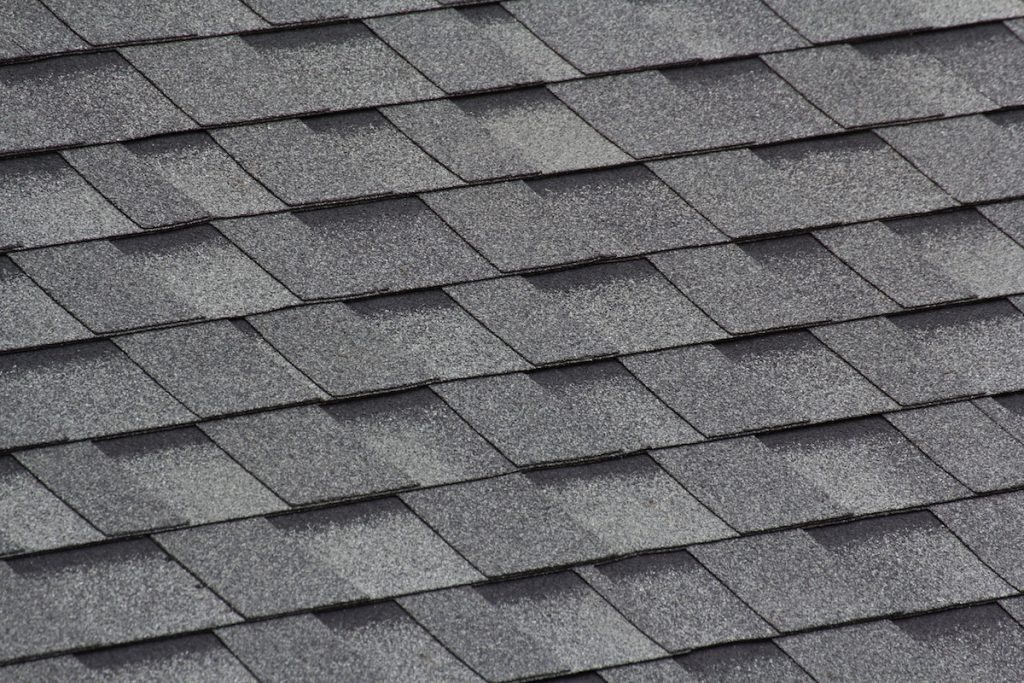
Asphalt Shingles
Asphalt shingles are widely used because of their affordability and versatility. They come in a variety of styles and colors and work well in most parts of the state.
- Pros: Budget-friendly, easy to install, moderate lifespan
- Cons: Shorter lifespan in high-heat zones, lower fire resistance unless upgraded to fiberglass
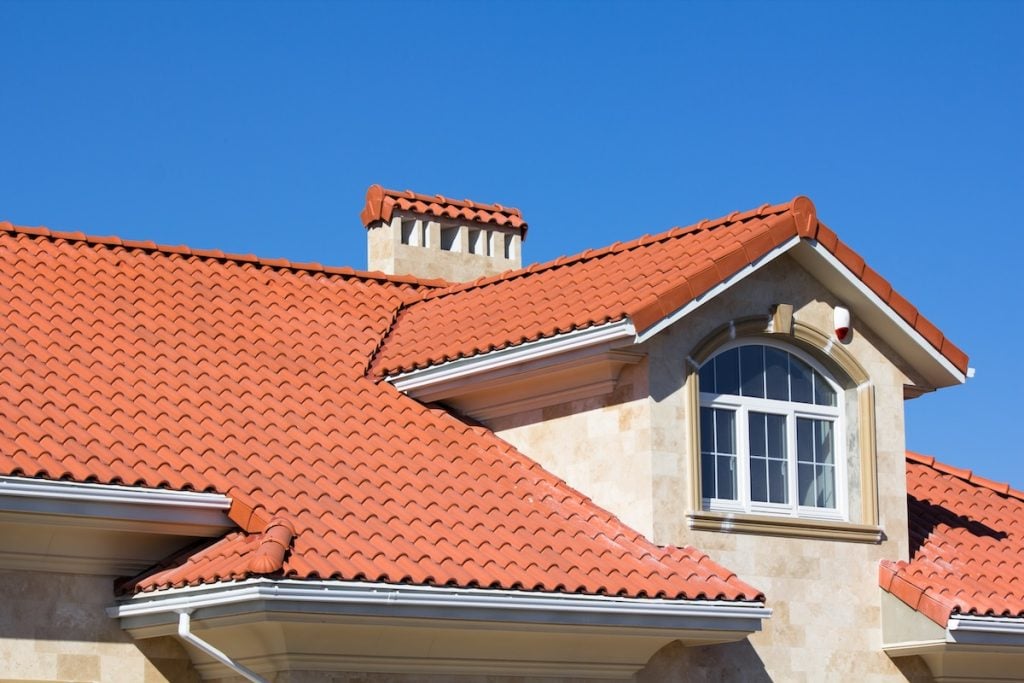
Clay Tile Roofs
Clay tiles are especially popular in Southern California thanks to their Spanish-style aesthetic and ability to keep homes cool.
- Pros: Long-lasting, fire resistant, great insulation
- Cons: Heavy (may need structural reinforcement), higher upfront cost
Concrete Tile Roofs
A more affordable alternative to clay, concrete tiles offer similar benefits and a wide range of style options.
- Pros: Durable, fire resistant, good for heat and moisture
- Cons: Still heavy, susceptible to cracking from impact
Metal Roofing
Metal is a top performer in fire zones and desert areas due to its reflectivity and durability.
- Pros: Extremely fire resistant, energy efficient, low maintenance
- Cons: Can be noisy during rain (though this can be minimized), higher installation cost
Slate Roofing
Natural slate is one of the most beautiful and durable roofing materials available, often seen on historic or high-end homes.
- Pros: Long lifespan, fireproof, highly durable
- Cons: Very heavy, expensive, complex installation
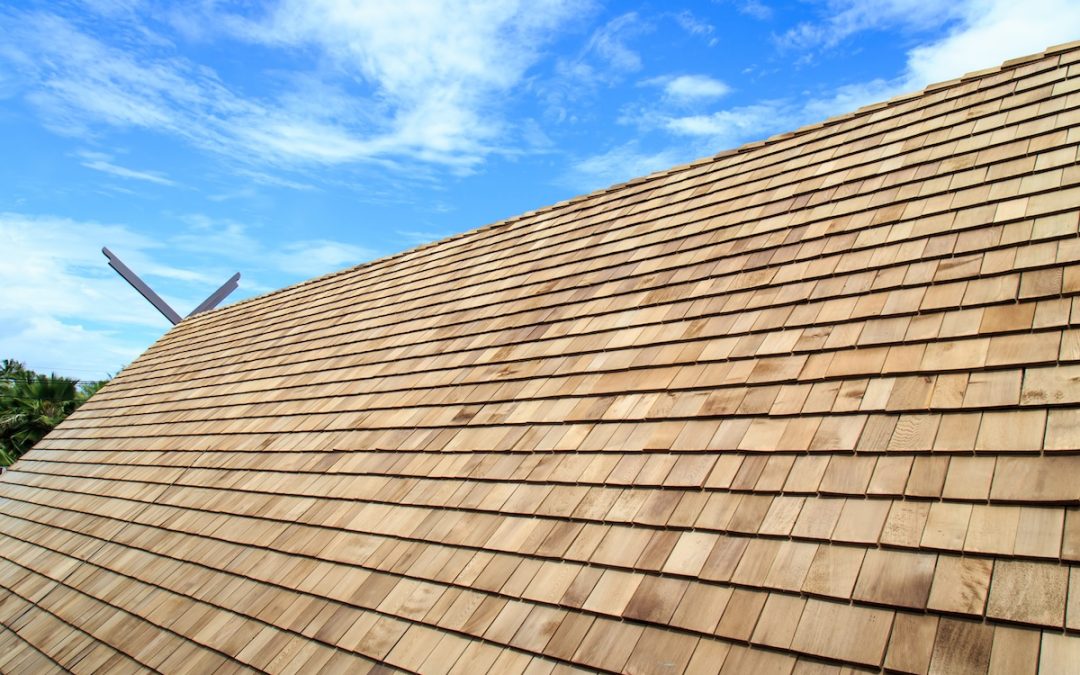
Wood Shakes and Shingles
Although once popular, wood roofing is now rarely used due to fire regulations.
- Pros: Natural appearance, good insulation
- Cons: Not fire-safe unless specially treated, high maintenance, not permitted in many areas
🏠 5 Best Roofing Options for California Homes
The following roofing types are considered the best for California based on performance, climate compatibility, and longevity.
- Clay Tile Roofing: Best for Mediterranean-style homes and hot, sunny climates.
- Metal Roofing: Ideal for fire-prone and high-heat areas, including the desert and foothills.
- Concrete Tile Roofing: A versatile and affordable choice that works well in most regions.
- Cool Roof Asphalt Shingles: Upgraded shingles designed to reflect UV rays and reduce heat.
- Synthetic Slate or Shake: Lightweight alternatives to natural materials that offer durability and Class A fire ratings.
🏠 How to Choose the Right Roof for Your Home
Choosing among the many roof types in California comes down to a balance of personal style, regional climate, and long-term value. While a coastal homeowner may prioritize rust resistance, someone in the mountains may focus on snow load tolerance.
- Know your zone: Understand your area’s climate, fire risk, and building codes.
- Set a budget: Roofing costs vary widely depending on material and labor.
- Think long-term: Cheaper isn’t always better. Invest in something that lasts.
- Work with pros: A qualified roofing contractor can help guide material selection and installation.
📋 Roofing Regulations and Building Codes in California
California has some of the strictest building codes in the nation, especially concerning energy efficiency and fire safety. Many local jurisdictions require:
- Class A fire-rated roofing in wildfire zones
- Compliance with California Title 24 energy efficiency standards
- Specific underlayment and installation methods depending on slope and region
Working with an experienced roofing contractor who understands these codes is essential. Failing to comply could lead to delays, fines, or even removal of a non-compliant roof.
⚠️ Signs It’s Time to Replace Your Roof
If you’re researching roof types in California because your existing roof is aging or failing, here are signs that it might be time to act:
- Curled or missing shingles: These allow water and debris to penetrate.
- Roof sagging: A structural issue that needs immediate attention.
- Granule loss: Especially common in aging asphalt roofs.
- Water stains inside your home: Indicates a leak in your roof system.
- Excessive moss or mold: Can deteriorate your roofing material over time.

💪 Work With Streamline Roofing for the Best Roof in California
Choosing the right roof in California isn’t just about looks; it’s about protecting your home against fire, heat, salt air, snow, and more. Whether you’re drawn to the elegance of clay, concrete, or synthetic tiles, the durability of metal roofing, or the affordability of modern shingles, Streamline Roofing can help you make the best choice for your home and budget.
We’ve helped homeowners all across California choose and install roofs that are beautiful, code-compliant, and built to last. Ready to upgrade your home with the right roof? Contact Streamline Roofing today for a free quote and expert guidance on your roofing options.