

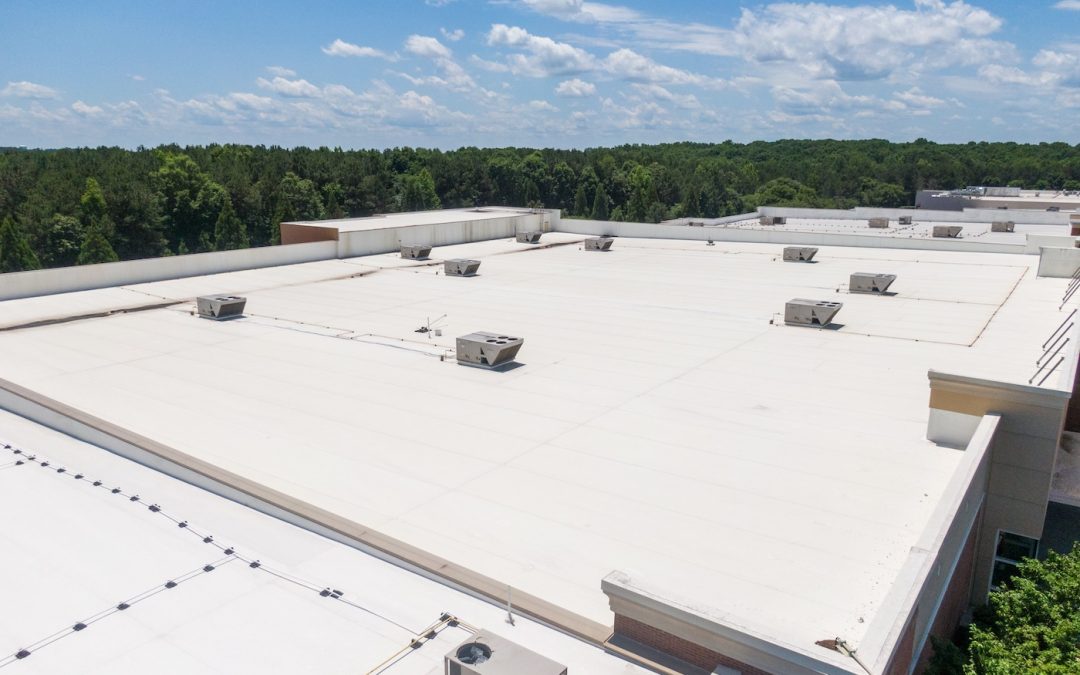
When it comes to flat roofing systems, tpo roofing has become one of the most popular and practical solutions for commercial properties. Known for its durability, energy efficiency, and cost-effectiveness, TPO (thermoplastic polyolefin) delivers long-term protection against heat, UV rays, and water infiltration. For businesses in Chula Vista, CA, where roofs face constant sun exposure and seasonal rain, TPO offers unmatched reliability and value for modern commercial buildings.
In this article, you’ll learn:
- Definition: What TPO roofing is and how it functions
- Advantages: The top benefits for commercial building owners
- Installation: What to expect from a professional roofing team
- Maintenance: How to extend the life of your TPO roof
- Professional guidance: When to repair or replace for best performance
What Is TPO Roofing?
TPO roofing is a single-ply membrane made from a blend of polypropylene and ethylene-propylene rubber. It’s installed in large sheets that are heat-welded at the seams, forming a seamless and watertight barrier across the entire roof surface. Its bright white surface reflects sunlight, keeping interior spaces cooler and helping businesses reduce energy costs.
Commercial property owners appreciate TPO’s balance of affordability and performance. It resists UV damage, chemicals, and punctures—qualities that make it ideal for warehouses, office buildings, and retail centers across Southern California.

How TPO Roofing Works
- Composition: Flexible yet strong, made from a reinforced polymer blend.
- Installation: Seams are heat-fused, creating a single, watertight layer.
- Durability: Resistant to tearing, impact, and chemicals found in industrial environments.
- Energy efficiency: Reflective surface minimizes heat absorption and lowers utility bills.
Why Businesses Are Choosing TPO Roofing
TPO’s combination of performance, energy savings, and low upkeep makes it a go-to roofing choice for commercial buildings of all sizes. Two full sentences here provide space and readability before diving into details.
Long-Term Cost Savings
TPO’s reflective properties help lower air conditioning costs, especially in warm climates like Chula Vista. Over time, this can lead to significant energy savings for large facilities.
Low Maintenance
Unlike older roofing systems that require constant patching, TPO’s smooth surface resists dirt, debris, and water accumulation. Routine cleaning and inspections are often all that’s needed.
Versatility
TPO can be installed on nearly any type of flat or low-slope roof, from office parks to retail spaces. It’s compatible with various insulation systems and roof decks.
Strong Warranty Coverage
Many TPO manufacturers offer extended warranties—sometimes up to 30 years—when installed by certified roofing professionals. This provides added peace of mind for property owners.
7 Key Benefits of TPO Roofing on Commercial Buildings
When properly installed and maintained, TPO provides a powerful mix of protection and performance. Here are the seven benefits that make it a standout option for commercial roofs.
- Energy efficiency: The white reflective surface helps reduce roof temperatures by reflecting sunlight, cutting cooling costs for large buildings.
- Cost-effectiveness: Compared to PVC and other membranes, TPO offers similar performance at a lower price point.
- Durability: Resistant to punctures, impacts, and chemical exposure, making it ideal for rooftop equipment or high-traffic maintenance areas.
- Weather resistance: Handles both extreme heat and heavy rain without cracking, warping, or shrinking.
- Ease of installation: Large rolls and heat-welded seams make installation quicker and more uniform than multi-layer systems.
- Environmentally friendly: 100% recyclable and helps reduce heat island effects in urban environments.
- Long service life: When maintained properly, TPO roofs can last 20–30 years, making them a sound investment for commercial properties.
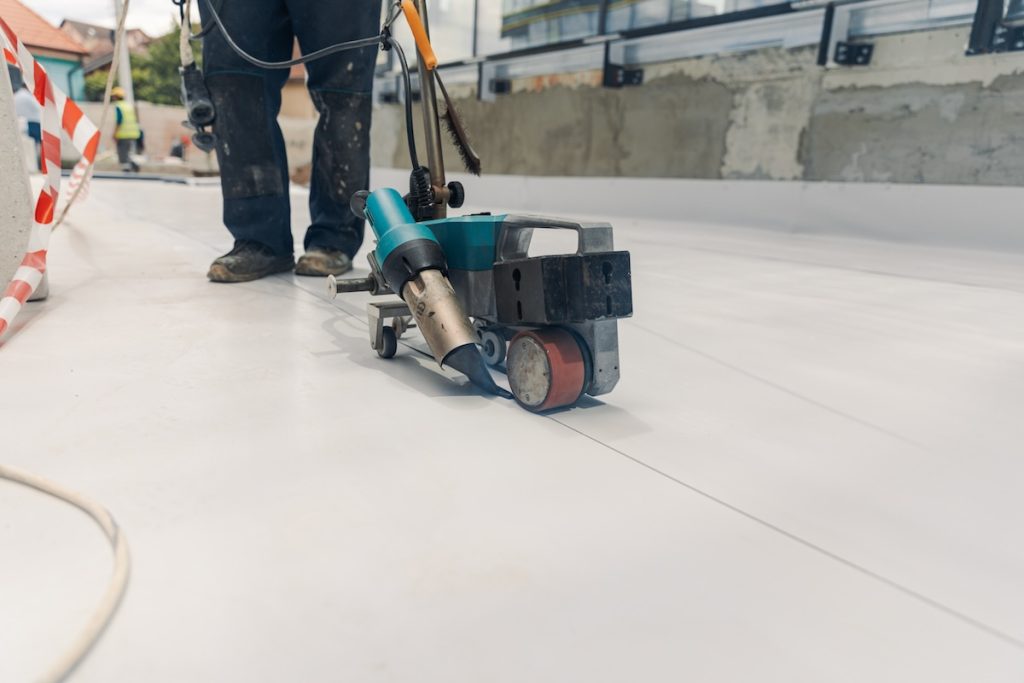
The Professional TPO Installation Process
TPO installation requires precision and experience to ensure maximum performance. Professional roofing contractors like Streamline Roofing use specialized techniques to guarantee each seam and edge is perfectly sealed.
- Roof preparation: The existing surface is cleaned, repaired, and primed for installation.
- Insulation placement: Insulation boards are laid to create a level surface and improve energy performance.
- Membrane layout: TPO sheets are rolled out across the roof deck, carefully aligned to minimize seams.
- Seam welding: Overlaps are heat-welded for a seamless, waterproof bond.
- Detail work: Flashings and edges around drains, HVAC units, and parapet walls are sealed for maximum protection.
When installed by experts, this process results in a uniform, durable surface that provides years of reliable coverage.
Comparing TPO to Other Commercial Roofing Systems
Before committing to any flat roofing system, it’s worth comparing TPO to other popular materials used in commercial applications.
TPO vs. PVC
- Performance: Both resist heat and UV rays well, but TPO is generally more affordable.
- Flexibility: TPO adapts better to temperature changes and building movement.
- Chemical resistance: PVC offers slightly higher resistance in industrial environments with harsh exposure.
TPO vs. EPDM
- Color: TPO’s white finish reflects sunlight, while EPDM’s black surface absorbs it.
- Seams: TPO’s heat-welded seams outperform EPDM’s adhesive joints in strength and leak prevention.
- Maintenance: TPO is easier to clean and less likely to develop algae or discoloration.
TPO vs. Modified Bitumen
- Installation method: TPO uses clean, heat-welded seams instead of torch or adhesive layers.
- Weight: TPO is lightweight, reducing structural strain.
- Longevity: Offers longer life expectancy and fewer repair needs.
Maintenance Tips for TPO Roofing
Routine maintenance ensures your TPO roof performs efficiently throughout its lifespan. Simple proactive care can prevent small issues from becoming costly repairs.
- Regular inspections: Have your roof checked twice a year, especially after storms or extreme heat.
- Keep drains clear: Remove debris and ensure water flows freely to avoid pooling.
- Clean periodically: Use mild soap and water to remove dirt and maintain reflectivity.
- Address damage early: Seal punctures or lifted seams immediately to prevent water intrusion.
- Schedule professional checkups: Certified roofers can detect membrane stress or seam separation before it causes leaks.
Why TPO Roofing Works So Well in California
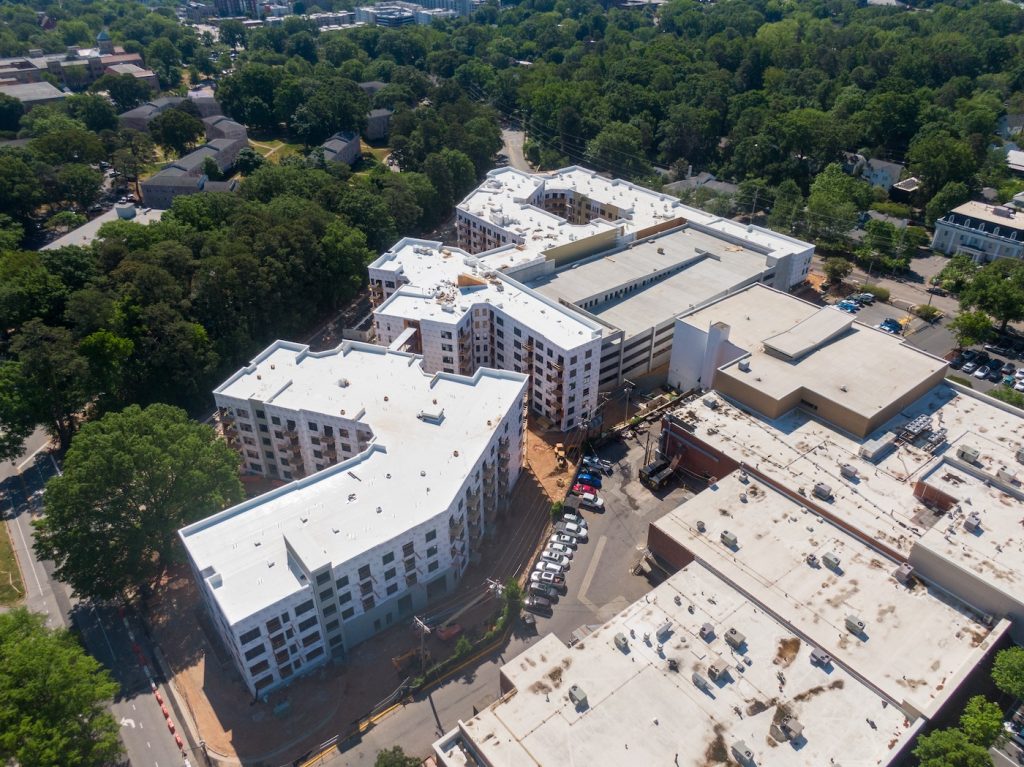
With its balance of heat, UV radiation, and occasional rainfall, California presents unique challenges for roofing systems. TPO’s reflective, durable surface makes it ideal for this climate. In Chula Vista, the material reduces cooling demand during hot months and withstands seasonal moisture without cracking or degrading. Its flexibility also allows it to expand and contract with temperature shifts, minimizing stress on the roof structure.
Why Streamline Roofing Is the Right Partner for Commercial TPO Roofing
At Streamline Roofing, we take pride in delivering superior commercial roofing solutions built to last. Our experienced team specializes in TPO installation, repair, and replacement for businesses across Southern California.
We’re proud to serve business and property owners in Chula Vista, CA, and nearby cities with TPO roofing installations, maintenance, and more. Whether you’re managing a large industrial facility or a small commercial property, our experts provide the guidance and quality craftsmanship you can trust.
Call Streamline Roofing today to schedule your free inspection and see how a professionally installed TPO roof can protect your building, lower your costs, and deliver lasting performance for years to come.