

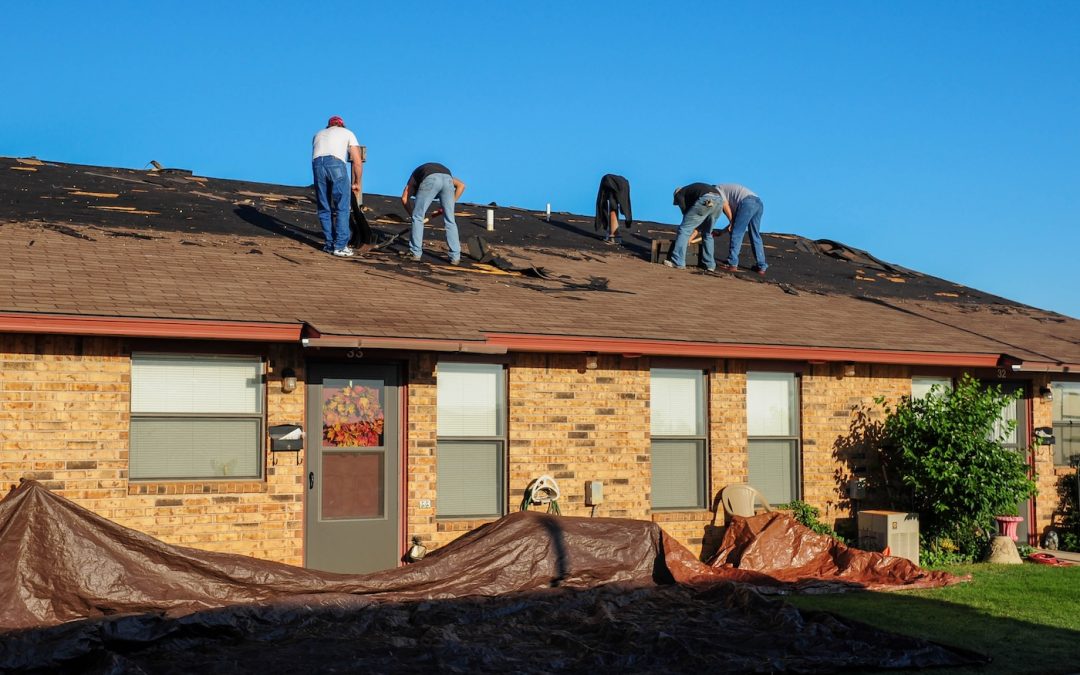
When emergency roof repair becomes necessary, the actions you take in the first moments can dramatically reduce the damage your home experiences. Storms, fallen debris, and sudden leaks can create immediate threats to your property, and knowing how to respond helps prevent the issue from escalating. Acting quickly protects your home’s structure, limits water intrusion, and gives you more control during a stressful situation. Below are the key areas this guide covers to help you respond confidently:
- Immediate steps: What to do the moment roof damage occurs
- Damage assessment: How to inspect safely without added risk
- Temporary protection: Short-term fixes to limit water intrusion
- Professional intervention: When to call an expert roofing contractor
- Prevention: How to reduce the likelihood of future emergencies
Why Quick Response Matters in Emergency Roof Repair
A fast, organized response helps minimize water infiltration, prevent mold growth, and avoid structural deterioration. Water moves rapidly through insulation and framing during storms, and delaying repairs increases the likelihood of long-term damage. Understanding the importance of immediate action helps homeowners stay prepared when emergencies arise.
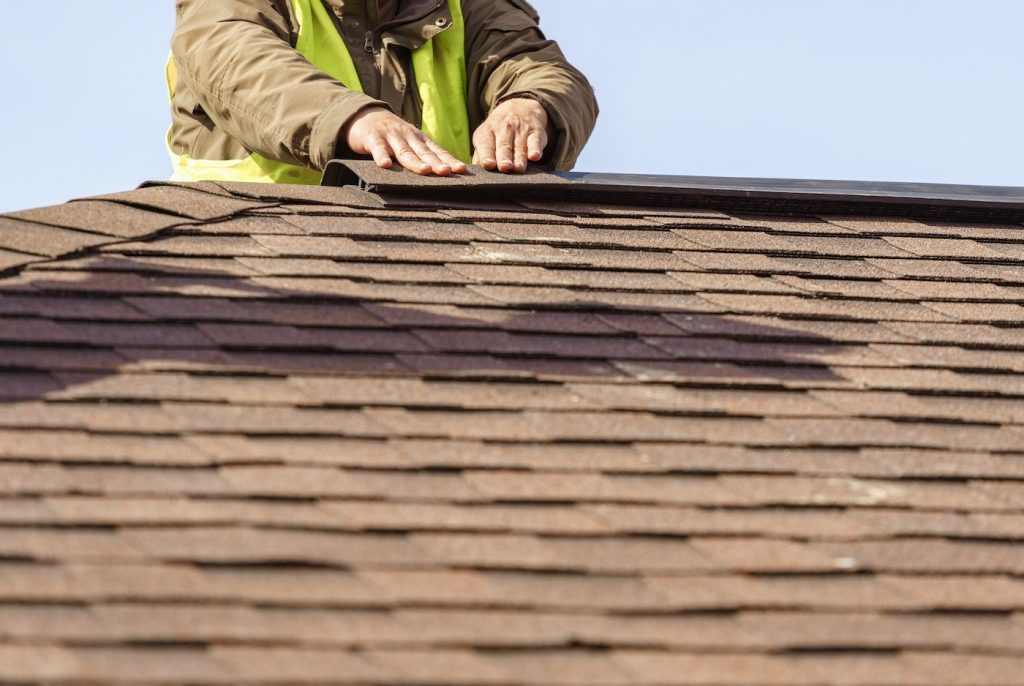
Quick response also improves insurance claim outcomes and simplifies the repair process. Homeowners who act within the first 24 to 48 hours typically face fewer complications and less extensive restoration work.
Key Benefits of Immediate Action
Responding quickly provides several important advantages that help preserve your home.
- Safety first: Reduces personal risk by identifying unstable or hazardous areas
- Damage containment: Helps limit the spread of water and debris
- Lower overall costs: Prevents the need for major structural repairs
- Insurance support: Ensures timely documentation for claims
- Peace of mind: Gives homeowners a sense of control during tough situations
5 Essential Steps for Emergency Roof Repair
Emergency conditions can feel chaotic, but following a clear and prioritized plan makes the situation easier to manage. These five steps help preserve the integrity of your home and set the foundation for effective long-term repairs.
- Ensure immediate safety: Keep occupants away from affected areas and avoid walking on unstable surfaces.
- Document the damage thoroughly: Photos and videos help insurance representatives and roofing experts evaluate the full extent.
- Apply temporary protections: Tarping and coverings help limit water intrusion until permanent repairs begin.
- Contact a professional roofing service: Certified professionals can identify hidden damage and restore the roof properly.
- Notify your insurance provider: Prompt reporting helps maximize coverage and speeds up the approval process.
How To Assess Roof Damage Safely
A safe and careful roof assessment helps you understand the extent of the emergency without adding personal risk. Roofs impacted by storms or fallen debris may be unstable, making physical access dangerous. A visual inspection from the ground is often enough to determine the severity.
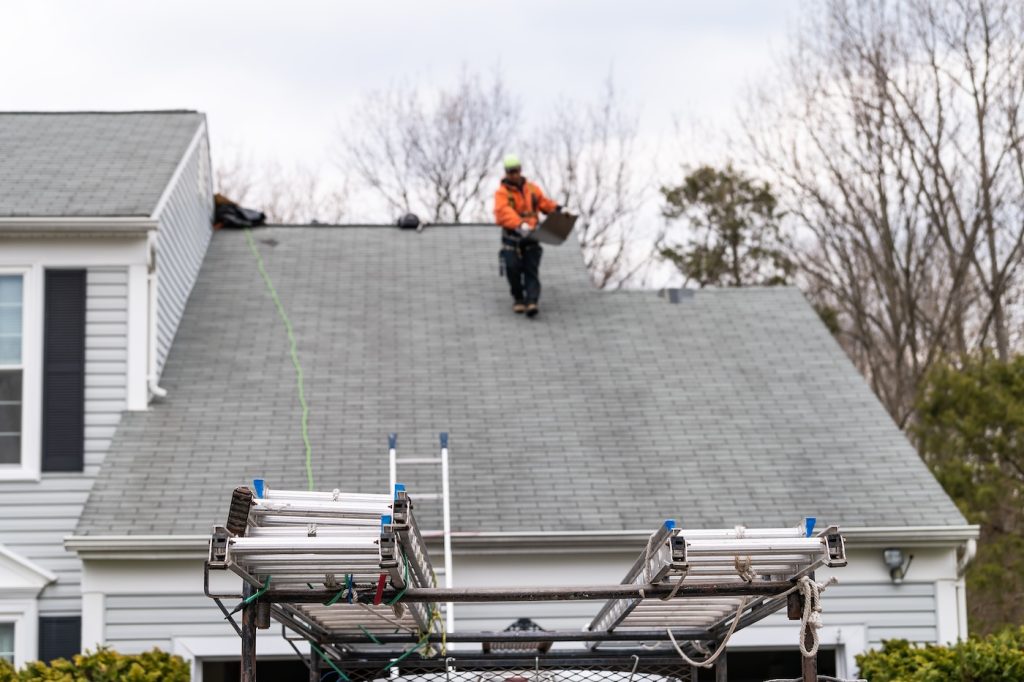
Binoculars, drone footage, or photos from a safe distance can help you gather valuable information without climbing onto the roof.
What To Look For
Identifying these signs helps determine how urgent your emergency roof repair situation is.
- Missing shingles or loose sections: Indicates direct exposure to rain
- Visible punctures or holes: Common after windstorms and fallen limbs
- Drooping ceilings: Signals active water intrusion
- Damaged flashing: Allows water to enter at roof penetrations
Temporary Fixes To Prevent Further Damage
Temporary fixes are essential for limiting water intrusion until a roofing contractor can arrive. These short-term protections do not replace proper repair but are extremely valuable during storms or scheduling delays.
Tarping is one of the most effective temporary options because it provides immediate weather protection. When secured properly, it reduces water penetration and prevents structural weakening.
Temporary Protection Options
Use these solutions only when safe and never climb onto the roof during active storms.
- Roof tarps: Covering damaged areas protects against additional rainfall
- Plastic sheeting: Seals smaller openings or cracks
- Plywood coverings: Offers temporary reinforcement for punctured sections
- Roofing tape: Helps close small gaps until permanent repairs begin
When To Contact a Professional Roofing Service
Many emergency roof repair scenarios require expert knowledge, tools, and safety training. Roofing professionals can detect hidden moisture, compromised decking, and structural hazards that homeowners may not notice from the ground. This reduces the likelihood of long-term issues.
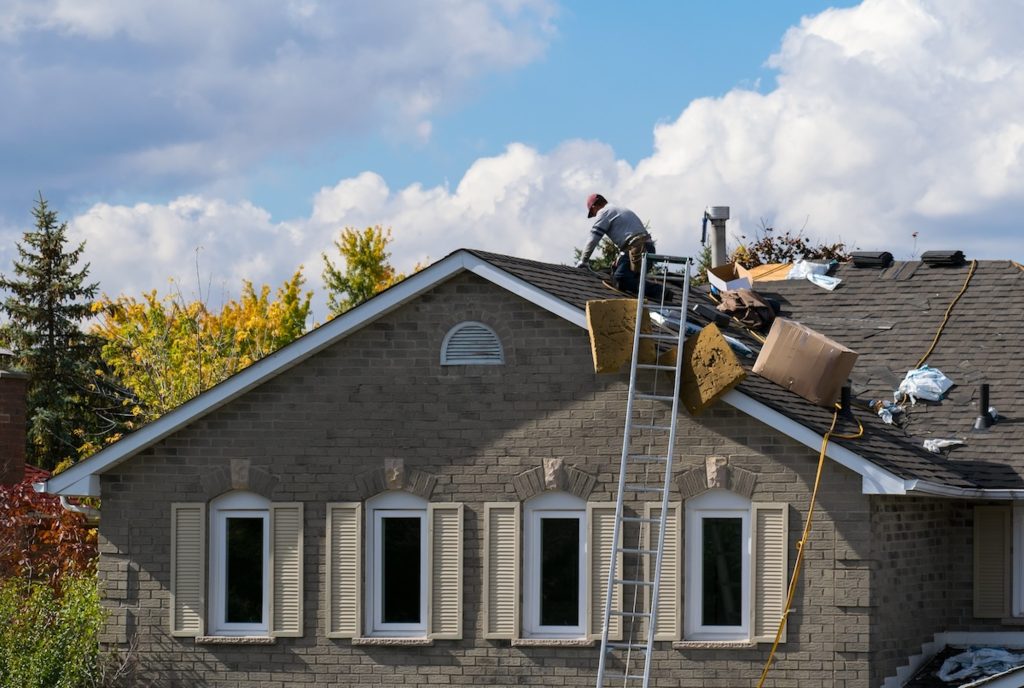
Hiring a licensed and insured roofing contractor also ensures repairs meet code requirements and insurance documentation standards.
Signs You Need a Professional
If you notice any of the following, contact a roofing expert immediately:
- Active leaks or major water flow
- Visible structural sagging
- Large areas of missing shingles
- Storm-related impact damage
Insurance Steps Every Homeowner Should Take
Notifying your insurance provider early ensures faster processing and helps you access available coverage. Documentation is key to proving when and how the damage occurred, and clear records can speed up approvals.
Keep receipts for temporary repairs, materials, and professional services so they can be submitted as part of your claim.
Helpful Insurance Tips
These best practices help streamline your experience:
- Know your policy terms: Understand what types of storm or impact damage are covered
- Send detailed documentation: Include timestamps, photos, and notes
- Keep communication organized: Save emails, phone logs, and estimates
Additional Insights on Emergency Roof Repair Solutions
Emergency roofing solutions vary depending on roof type, weather conditions, and material compatibility. Different roofing materials require tailored techniques, and professional crews often use specialized tools like infrared scanners to detect moisture not visible on the surface.
Seasonal weather also affects repair timelines. Cold or wet conditions may require specific adhesives or modified installation techniques to ensure effectiveness.
Common Questions About Emergency Roof Repair
Here are answers to some of the most frequent questions homeowners ask during emergency situations.
- How quickly should I address roof damage? Ideally within 24–48 hours to reduce the risk of interior damage and structural issues.
- Can I handle emergency repairs myself? Basic temporary fixes may be possible, but professional repairs are recommended for safety and quality.
- Will insurance cover the damage? Most policies cover storm-related roof damage, though deductibles and limits vary.
- How can I prevent future emergencies? Seasonal inspections, gutter cleaning, and addressing small issues early reduce the risk.
- What signs indicate urgent professional help is needed? Major water intrusion, sagging ceilings, or visible holes in the roof require immediate attention.
Protect Your Home With Streamline Roofing

Emergency roof repair situations require fast, expert intervention, and Streamline Roofing is equipped to deliver durable, reliable solutions. Our team responds quickly, performs thorough inspections, and provides long-lasting repairs that protect your home from ongoing damage. We proudly serve homeowners in Chula Vista, CA, and surrounding communities with emergency roof repair and storm restoration services. Because weather conditions in the area can change quickly, having a dependable roofing team ready to respond is essential.
Whether you are dealing with roof leaks, storm impacts, or structural concerns, we are here to help restore your home safely. Contact Streamline Roofing today for immediate support and trusted emergency roofing service.