Roofing
Concrete Roof Tiles: Pros, Cons & Installation Details
If you’re considering a premium roofing option with durability and classic appeal, concrete roof tiles are a strong contender. These tiles combine the aesthetic versatility of traditional clay with a more affordable material choice, making them popular among homeowners seeking longevity, design options, and performance. Before deciding if concrete tiles are right for your home, it helps to understand their benefits, drawbacks, and what to expect during installation.
• Long lifespan: Designed to withstand decades of weather exposure.
• Design flexibility: Available in many colors, shapes, and profiles.
• Fire resistance: Excellent performance in fire‑prone areas.
• Upfront cost: Higher than asphalt shingles but often lower than clay.
• Material weight: Heavier than many other roofing types.
• Installation needs: Requires skilled installers familiar with tile systems.
In this guide, we’ll walk through the pros, cons, and installation details to help you decide if concrete roof tiles are a good fit for you.
Why Concrete Roof Tiles Are a Popular Roofing Choice
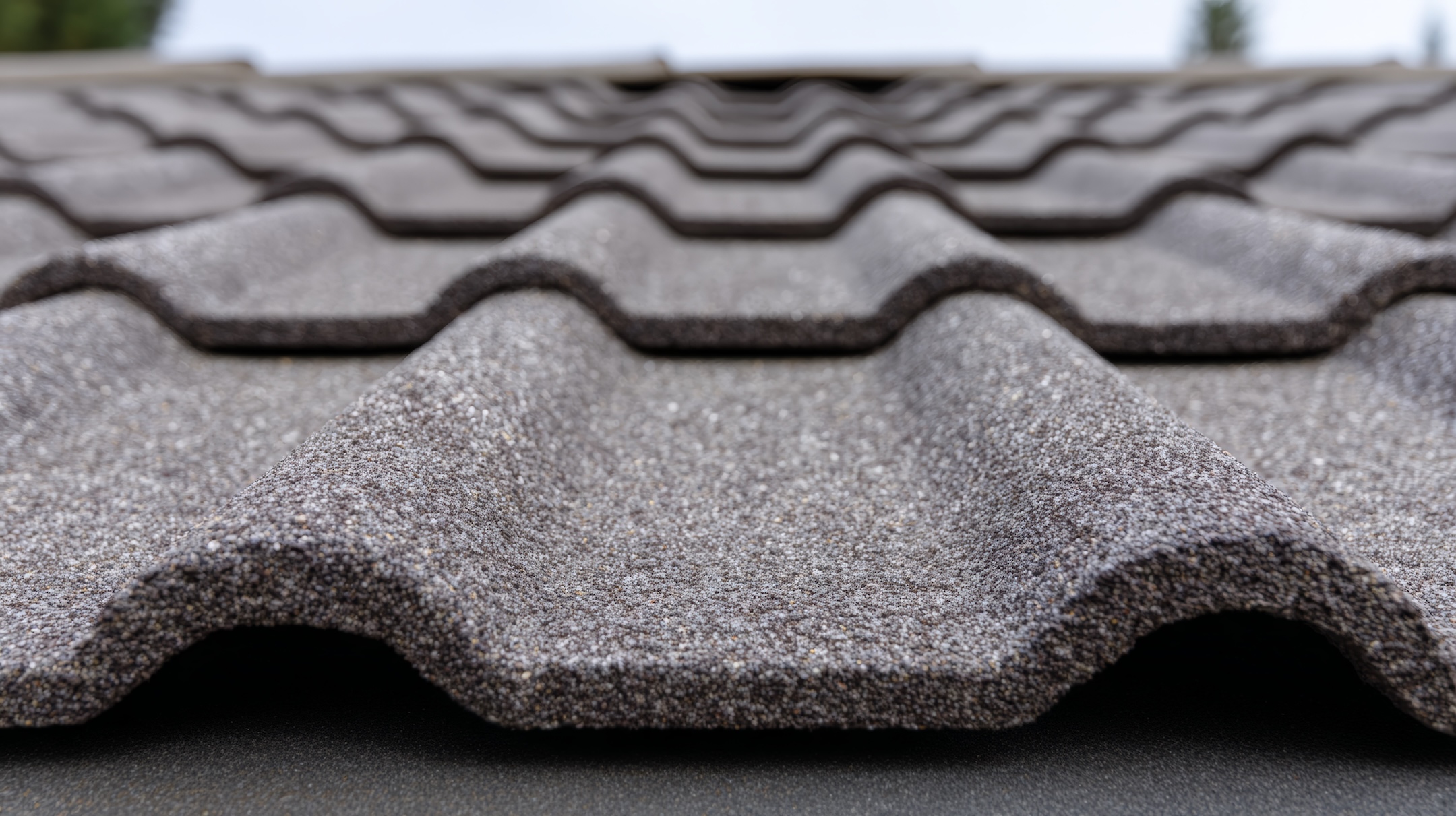
Concrete roof tiles have gained popularity because they blend visual appeal with functional strength. They offer a range of textures and colors that mimic clay, slate, or shake while providing excellent protection against sun, rain, and wind.
Concrete tiles also play well with modern roofing needs. Their natural mass helps dampen sound and improve thermal performance, giving them an edge in both comfort and energy efficiency. Roofing manufacturers continue to innovate with concrete mixes and coatings that resist fading and water absorption. This means your roof can stay looking great with minimal maintenance for many years.
8 Key Pros and Cons of Concrete Roof Tiles
Concrete tiles offer a solid balance of performance and design flexibility, but they come with trade‑offs. Below are eight key advantages and drawbacks to consider before choosing this material.
1. Lifespan and Durability
Concrete roof tiles are engineered for longevity. They stand up well to sun exposure, rain, and freeze‑thaw cycles, making them suitable for a range of climates, including the Mediterranean‑like conditions in Escondido, CA.
• Long‑lasting: Many concrete roofs perform well for 40–70 years.
• Weather‑resistant: Strong against sun, rain, and hail.
• Color stability: Modern coatings resist fading.
2. Aesthetic Variety and Customization
Concrete tiles come in many shapes and colors, from flat to barrel tile profiles that resemble classic Mediterranean styles. This allows homeowners to match architectural preferences without sacrificing performance.
• Wide palette: Choose from earth tones to bold finishes.
• Multiple profiles: Flat, S‑curve, barrel, and more.
• Architectural fit: Complements traditional and modern homes.
3. Fire Resistance
Concrete tiles are non‑combustible and perform exceptionally well in areas where fire risk is a concern, offering peace of mind for homeowners and insurers.
• Class A fire rating: Highest possible rating for roofing.
• Fire‑safe material: Does not ignite or spread flames.
• Insurance benefits: May reduce premiums in some regions.
4. Energy Efficiency
The thermal mass of concrete helps moderate temperature swings, which can improve comfort and reduce cooling loads during hot months. Energy‑saving roofing systems find concrete tiles a helpful component in lowering attic heat.
• Thermal mass advantage: Reduces heat transmission.
• Cool roof options: Some tiles reflect more sunlight.
• Comfort boost: Moderates indoor temperatures.
5. Cost Compared to Clay and Shingles
While more expensive than asphalt shingles, concrete tiles are often less costly upfront than traditional clay tiles. This is one reason they appeal to homeowners seeking premium roofing without the highest price.
• Mid‑range investment: Between shingles and clay.
• Long‑term value: Long lifespan can offset cost.
• Budget options available: Many manufacturers offer tiered pricing.
6. Material Weight and Structural Needs
Concrete tiles are heavier than asphalt or wood. Most roofs must be evaluated to ensure the structure can support the added load before installation proceeds.
• Heavy material: Requires strong underlying support.
• Structural review required: Home may need reinforcement.
• Not ideal for all homes: Especially older structures.
7. Installation Complexity
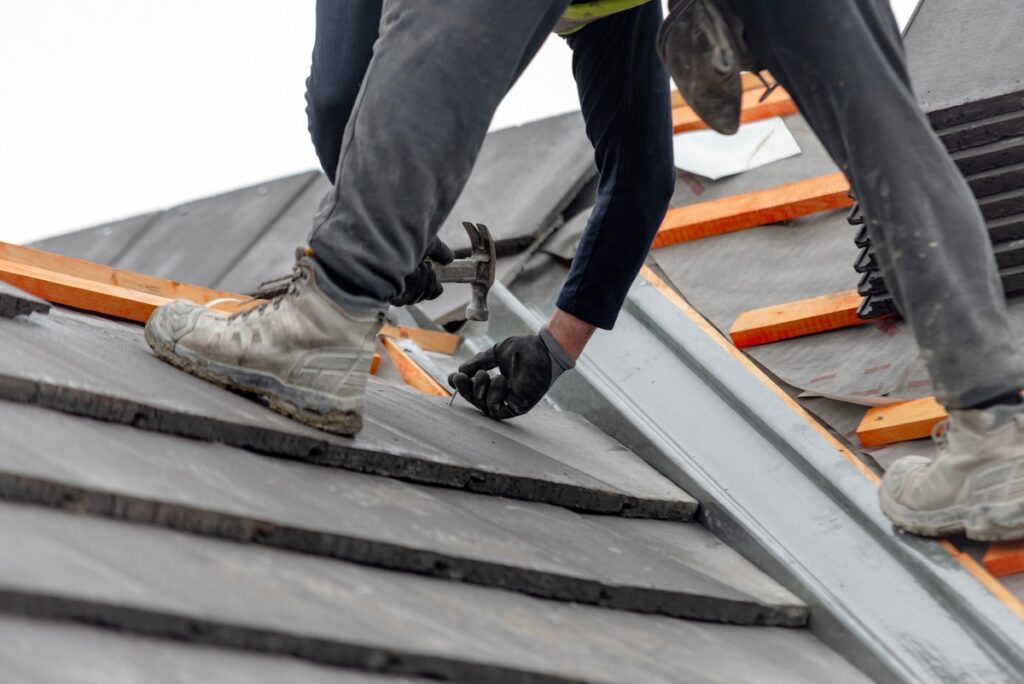
Proper installation of concrete tiles requires skilled professionals. The fasteners, underlayment, and spacing must be precise to avoid leaks and ensure durability.
• Qualified installers needed: Professionals experienced with tile
• Time‑intensive process: Takes longer than simpler materials
• Proper flashing essential: Prevents water intrusion
8. Maintenance and Repairs
Concrete tiles are low‑maintenance overall, but individual tiles can crack or break under impact. Replacement is typically straightforward but requires the right matching pieces and technique.
• Low upkeep: No coatings or sealants required
• Replace individual tiles: Spot fixes possible
• Appearance matters: Matching color may vary over time
How Concrete Roof Tiles Compare to Other Materials
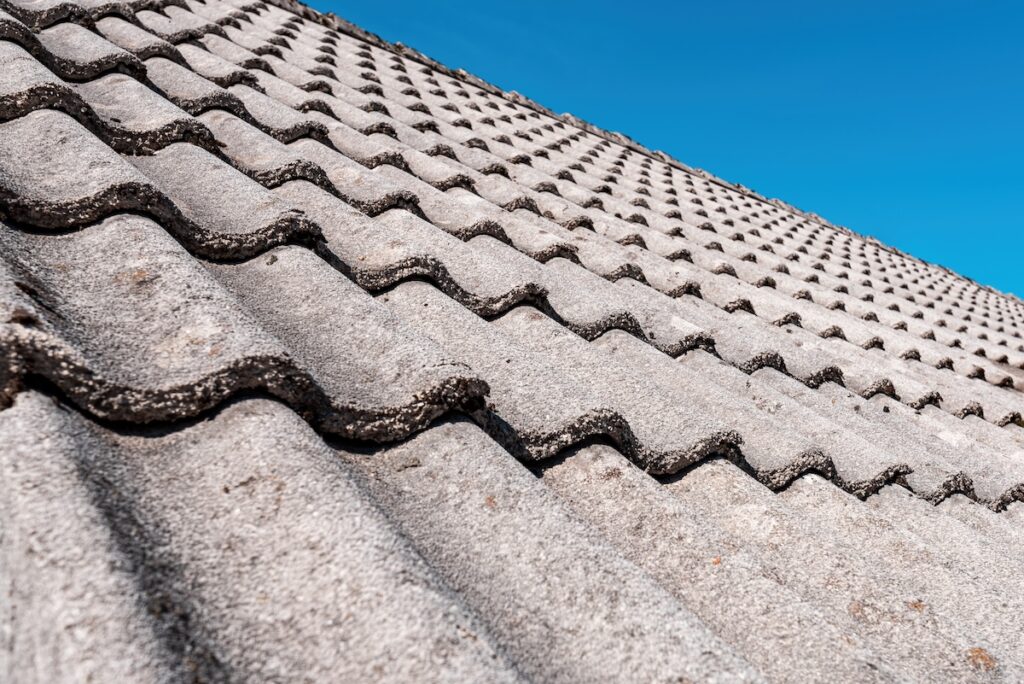
Concrete tiles offer unique benefits, but comparing them to other roofing systems shows where they stand in terms of cost, weight, and lifespan.
| Material | Lifespan | Cost per Sq. Ft. (Installed) | Weight | Best For |
| Concrete Tile | 40–70 years | $8–$15 | Heavy | Mediterranean and modern styles |
| Asphalt Shingles | 15–30 years | $3–$6 | Light | Budget or all styles |
| Clay Tile | 50–100+ years | $10–$20 | Very Heavy | Classic Mediterranean homes |
| Metal Roofing | 40–70 years | $7–$12 | Medium | Contemporary or rustic styles |
| Slate | 75–150 years | $15–$30+ | Very Heavy | Historic and high‑end designs |
Common Concrete Roof Tile Profiles
Concrete tiles are available in several popular profiles that affect both style and function. Here’s a quick look at a few:
• Flat Tile: Smooth, modern look with clean lines.
• Barrel Tile: Rounded sections that evoke Spanish and Mediterranean styles.
• Interlocking Roof Tile: Offers streamlined installation with tight weather resistance.
• Mission Tiles: Classic profile with a timeless ridge pattern.
Common Questions About Concrete Roof Tiles
Choosing concrete tiles is a major investment, so it’s natural to have questions about how they perform and what to expect over time. From noise levels to maintenance, here are a few answers to help you make a more confident decision.
Are concrete roof tiles noisy in rain?
Concrete tiles can be slightly louder in heavy rain than asphalt, but proper insulation and attic ventilation significantly reduce noise transmission.
Do concrete tiles crack easily?
Tiles are durable, but individual units can crack under heavy impact. Replacing a single tile is usually easy if matching tiles are available.
Are concrete tiles good for all climates?
Yes. Concrete performs well in hot, sunny climates and handles freeze‑thaw cycles if installed with proper underlayment and drainage.
Can concrete tiles be recycled?
Yes. Concrete is a natural material that can be recycled at the end of its life, making it a more sustainable choice.
Professional Concrete Roof Tile Services at Streamline Roofing
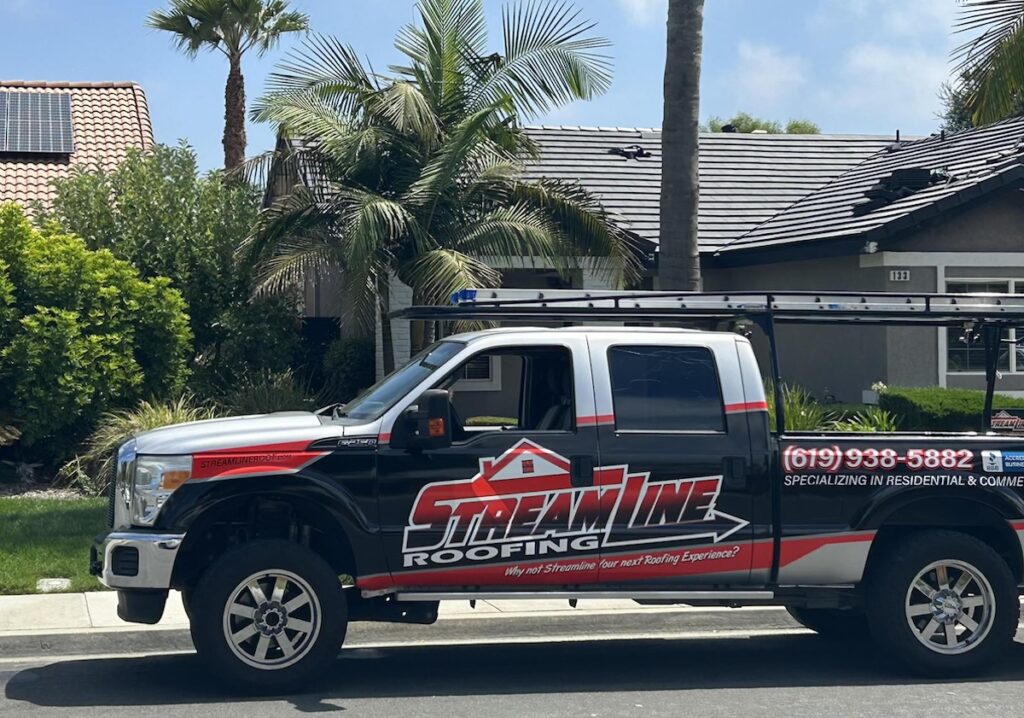
Concrete roof tiles deliver a compelling combination of beauty, strength, and long‑term value. Choosing the right profile, color, and installer makes all the difference in performance and aesthetics. At Streamline Roofing, we guide homeowners through material selection, installation planning, and professional services that ensure your roof protects and enhances your home.
We’re proud to serve homeowners in Escondido, CA, and nearby communities with concrete roof tile installation, inspections, and roofing solutions. Contact Streamline Roofing today for a personalized consultation and estimate on your concrete tile project.