Roofing
Torch Down Roofing: Benefits, Costs & Key Drawbacks
When you need a reliable option for a low‑slope or flat roof, torch down roofing has become a go‑to material for many property owners. This type of roofing system offers a durable surface and strong protection against water infiltration, making it especially popular on flat roof systems for both residential and commercial roofing applications.
• Waterproof membrane: Excellent defense against standing water and leaks.
• Tear resistance: Tough surface stands up well to foot traffic and weather wear.
• Durability: Long‑lasting performance with proper installation and roof maintenance.
• Low slope specialty: Ideal for roofs that don’t shed water easily.
• Installation cost: Typically higher than basic membrane options.
• Professional expertise required: Needs precise application from trained roofing professionals.
This guide breaks down the benefits, costs, and key drawbacks to help you decide if torch down roofing is the right choice for your property.
What Is Torch Down Roofing?
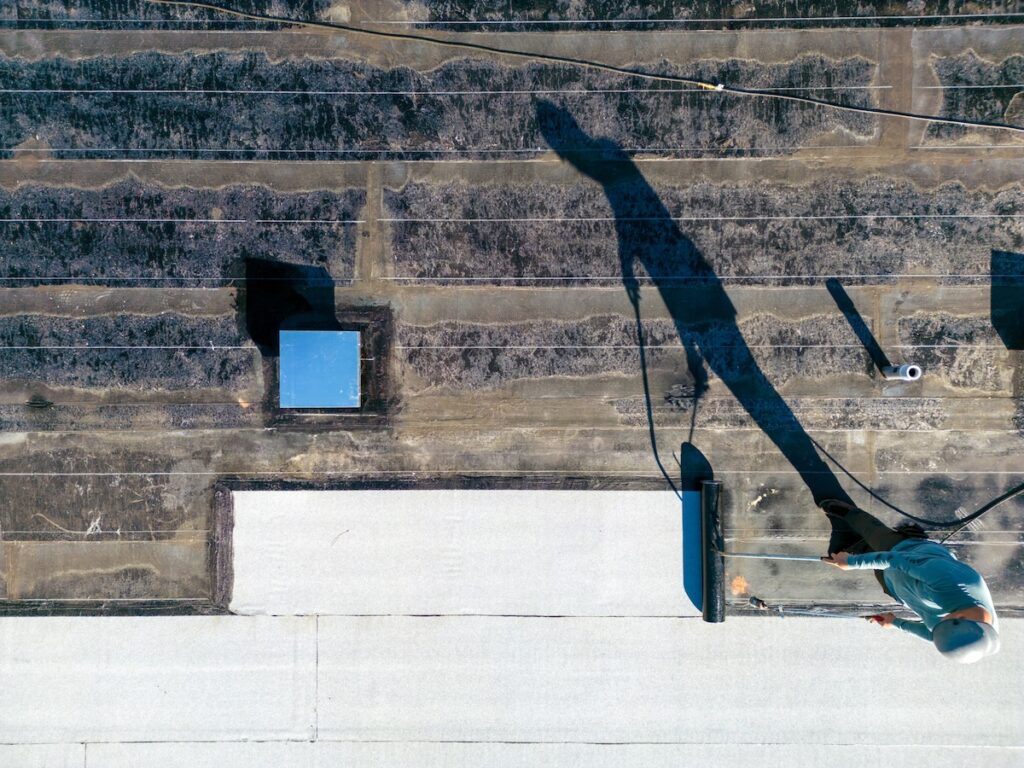
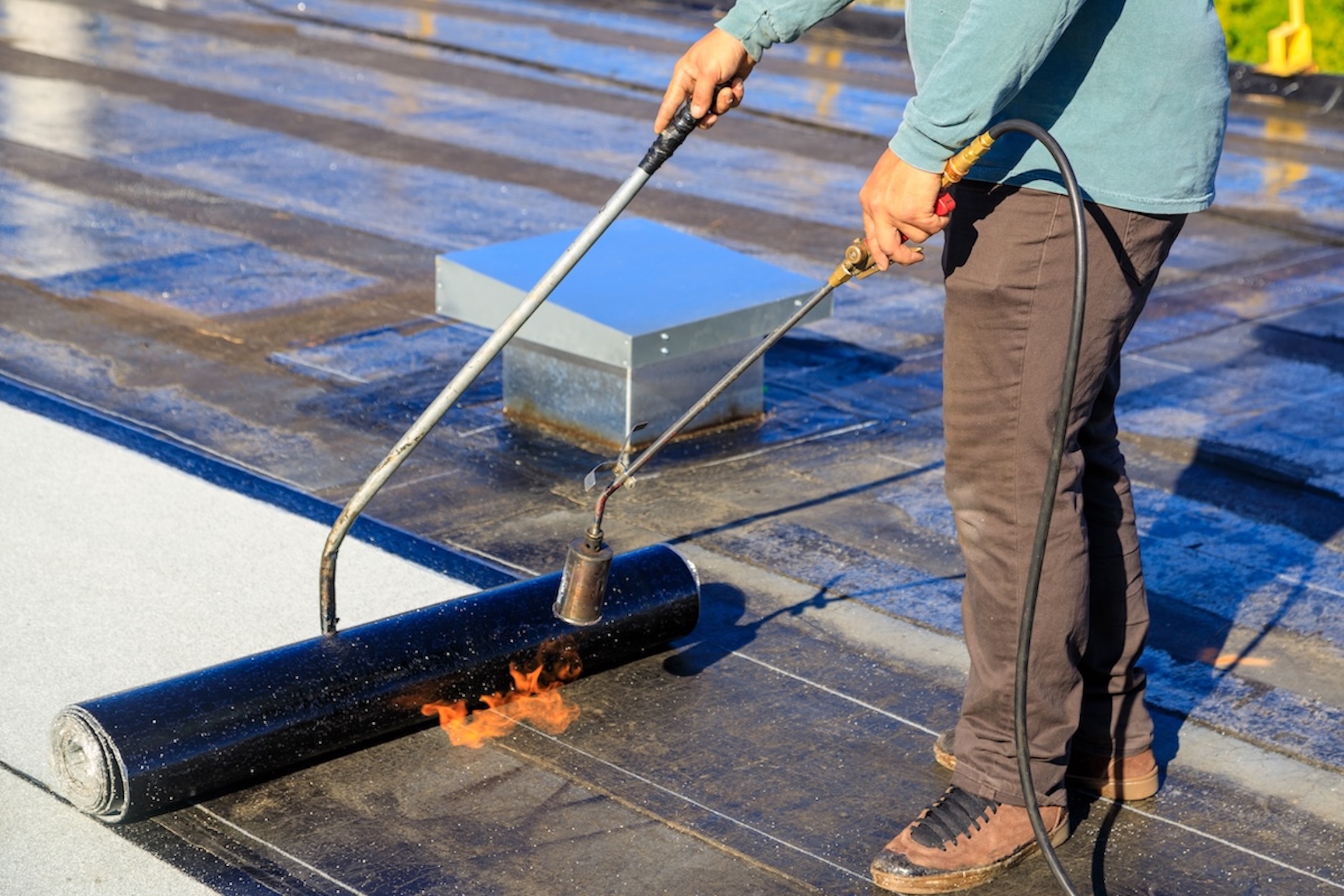
Torch down roofing is a type of built‑up roofing system used mainly on low‑slope and flat roofs. It gets its name from the installation process, where a hot torch is used to melt the underside of the membrane so it adheres firmly to the roof deck. The result is a waterproof, seamless surface that resists leaks, punctures, and weather damage when installed correctly by certified roofing contractors.
Torch down is often paired with a cap sheet layer that includes granules for UV protection, forming a complete roofing membrane that’s suitable for a wide range of commercial buildings and residential structures.
6 Key Benefits and Drawbacks of Torch Down Roofing
The right roofing choice balances advantages with potential limitations. Here are six important aspects to consider about torch down roofing.
1. Waterproof Protection
Torch down membranes create a continuous, sealed layer. Because the material melts into place, it forms a tight bond with the roof surface that keeps water out effectively.
• Seamless surface: Reduces leak points in flat roof systems.
• Standing water defense: Outperforms many roofing types where water pools.
• Reliable in heavy rain: Excellent for wet climates or intense storms.
2. Excellent Tear Resistance
The materials used in torch down roofing are tough and durable. When installed correctly, the membrane resists punctures, tears, and damage from foot traffic.
• Durable surface: Handles wear and tear better than some alternatives.
• Impact resistance: Less prone to punctures than single‑ply membranes.
• Long‑lasting: Helps extend time between major repairs.
3. Longevity With Proper Maintenance
Torch down roofs are known for long‑term performance when they receive routine roof maintenance and inspections from experienced professionals.
• Long service life: Often performs for 20–30 years or more.
• Routine inspection helpful: Spot issues before they become costly problems.
• Flexible with coatings: A roof coating system can extend life and improve reflectivity.
4. Higher Initial Installation Cost
One of the main drawbacks is that torch down roofing often costs more upfront than some alternatives like EPDM or synthetic rubber systems. Part of this is due to the specialized equipment and skilled labor required.
• Material cost: Higher than basic single‑ply systems.
• Labor cost: Installation requires expertise and caution.
• Upfront investment: Pays off over time with durability.
5. Safety and Installation Challenges
Torch down installation uses an open flame propane torch to adhere the membrane to the roof deck. This process requires trained roofing professionals to avoid fire hazards and ensure proper adhesion.
• Flame application: Needs highly trained installers.
• Safety precautions: Roof contractors must follow strict safety protocols.
• Not DIY friendly: Homeowners should hire certified crews.
6. Potential for Odor During Installation
When the membrane is heat‑welded into place, it can release a noticeable odor during installation. This is temporary but can be unpleasant for occupants if work is being done nearby.
• Temporary smell: Should diminish once complete.
• Best notice: During active installation days.
• No long‑term impact: Odor does not affect roof performance.
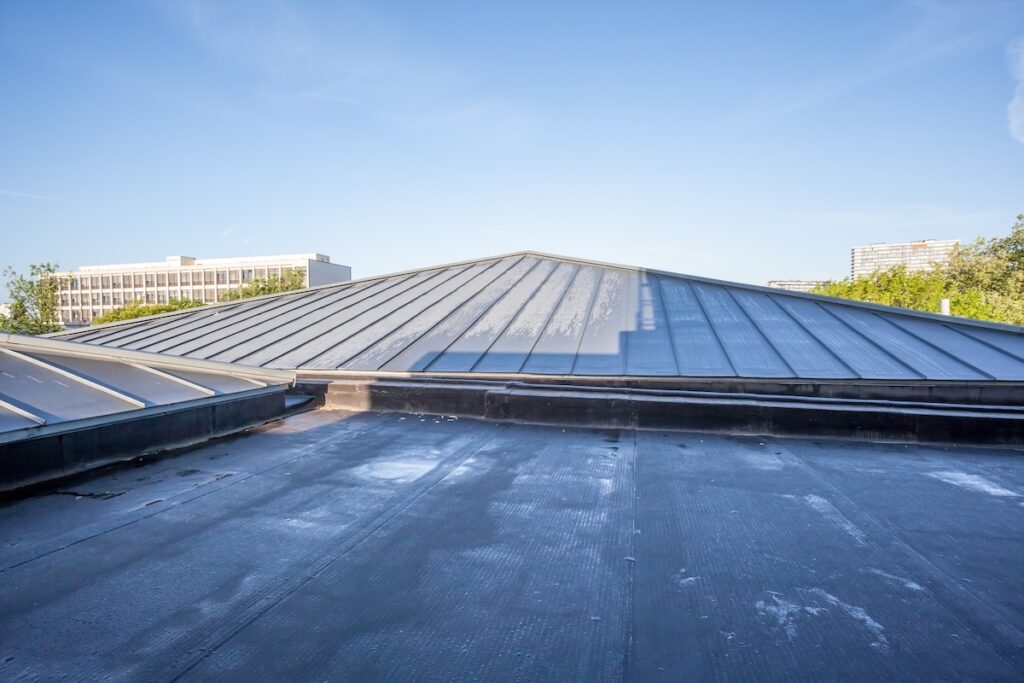
How Torch Down Roofing Compares to Other Flat Roof Options
Here’s a snapshot of how torch down holds up against other popular flat roof systems:
| Roofing Type | Lifespan | Cost Range (Installed) | Best For |
| Torch Down | 20–30+ years | $7–$12 per sq. ft. | Low‑slope roofs needing durability |
| EPDM Rubber | 15–25 years | $4–$8 per sq. ft. | Budget‑friendly flat roofs |
| TPO | 15–30 years | $6–$10 per sq. ft. | Reflective, energy‑efficient |
| PVC | 20–30+ years | $8–$14 per sq. ft. | Premium flat roofing |
| Modified Bitumen | 15–30 years | $5–$9 per sq. ft. | Flexible, easy maintenance |
Installation Process for Torch Down Roofing
Torch down roofing involves a precise, multi-step process that creates a long-lasting waterproof seal:
• Surface prep: Contractors inspect and clean the roof deck, replacing any damaged sections to ensure a solid foundation.
• Layering begins: Insulation board and a base sheet are installed to support adhesion and improve energy efficiency.
• Membrane application: An open flame propane torch heats the asphalt compound on the membrane, bonding it to the surface.
• Cap sheet finish: A granule cap sheet layer is added to enhance durability and protect against UV rays.
• Final detailing: Flashings, edges, and seams are sealed, and the roof is inspected for a complete waterproof finish.
Common Myths About Torch Down Roofing
Torch down roofing is a proven system, but it’s often misunderstood. Here are five common myths — and the truth behind them.
“Torch down is dangerous for all buildings.”
While it’s true that torch use requires caution, trained professionals follow strict safety protocols. Torch down roofing can be safely installed on most flat or low‑slope buildings when proper measures are in place.
“It doesn’t last as long as other systems.”
Torch down roofing can last 20–30 years or more with proper maintenance, making it competitive with other premium flat roof materials.
“You can’t use torch down on homes.”
Many homes with garages, additions, or patios use torch down systems. It’s especially effective in residential applications where slope is too low for shingles.
“It traps heat inside the home.”
Modern torch down systems often include reflective roofing top coats that reduce heat absorption and promote energy efficiency.
“Only commercial roofing projects use it.”
While torch down is a staple in commercial roofing, it’s equally effective for residential flat roof systems, especially when installed by the right roofing professionals.
Why Torch Down Might Be the Right Fit for You
Still wondering whether torch down is the right option? Here’s a quick breakdown of what makes it a smart solution for many property owners:
• Water concerns: Ideal if your flat roof tends to collect water.
• Durability needs: Great for spaces that see foot traffic or extreme weather.
• Long‑term thinking: Offers excellent return when properly maintained.
• Professional install required: Best for those hiring skilled roofing professionals.
• Energy upgrade options: Compatible with cool roof coatings.
Dependable Flat Roof Solutions Start at Streamline Roofing
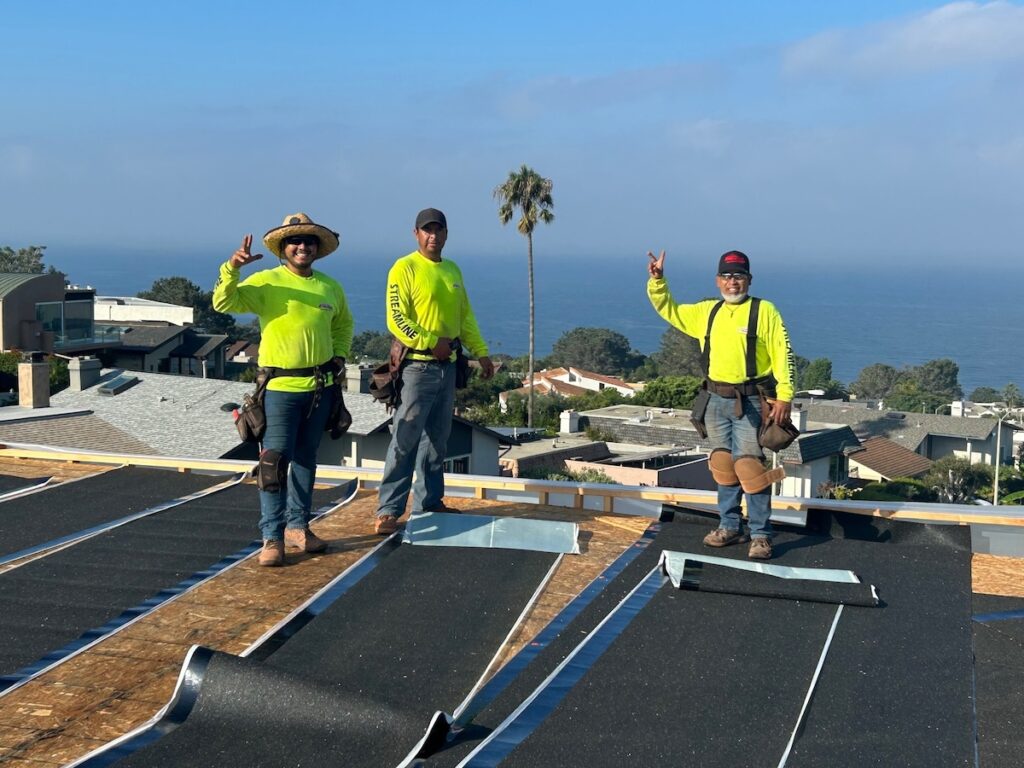
Torch down roofing delivers a rugged combination of waterproof performance, dimensional stability, and long‑term durability. Whether you’re managing a commercial building or upgrading a residential space, the right installation method and materials make all the difference.
We’re proud to serve home and business owners in Escondido, CA, and nearby communities with torch down roofing installation, modified bitumen alternatives, and roof coating system upgrades. Contact Streamline Roofing today for a consultation and estimate from experienced roofing professionals.