Roofing
TPO Roofing Installation: Lifespan, Benefits & Full Guide
Planning a tpo roofing installation is a common choice for property owners looking for a durable and energy-efficient flat roofing system. TPO roofing has become one of the most widely used solutions for commercial buildings thanks to its strong waterproofing performance, reflective surface, and cost-effective installation. Understanding how TPO works, how long it lasts, and what benefits it offers can help property owners decide if it’s the right solution for their roofing project.
- Energy efficiency: Reflective roofing surfaces help reduce heat absorption from UV rays.
- Waterproof protection: TPO membranes create a sealed surface designed to resist leaks.
- Cost-effective installation: Often more affordable than some premium flat roofing systems.
- Flexible materials: The roofing membrane adapts to building movement and temperature changes.
- Low maintenance needs: Routine inspections and maintenance help extend roof lifespan.
Whether you’re installing a roof on a new commercial structure or planning to replace an aging system, understanding TPO roofing installation helps ensure long-term performance.
What Is TPO Roofing?
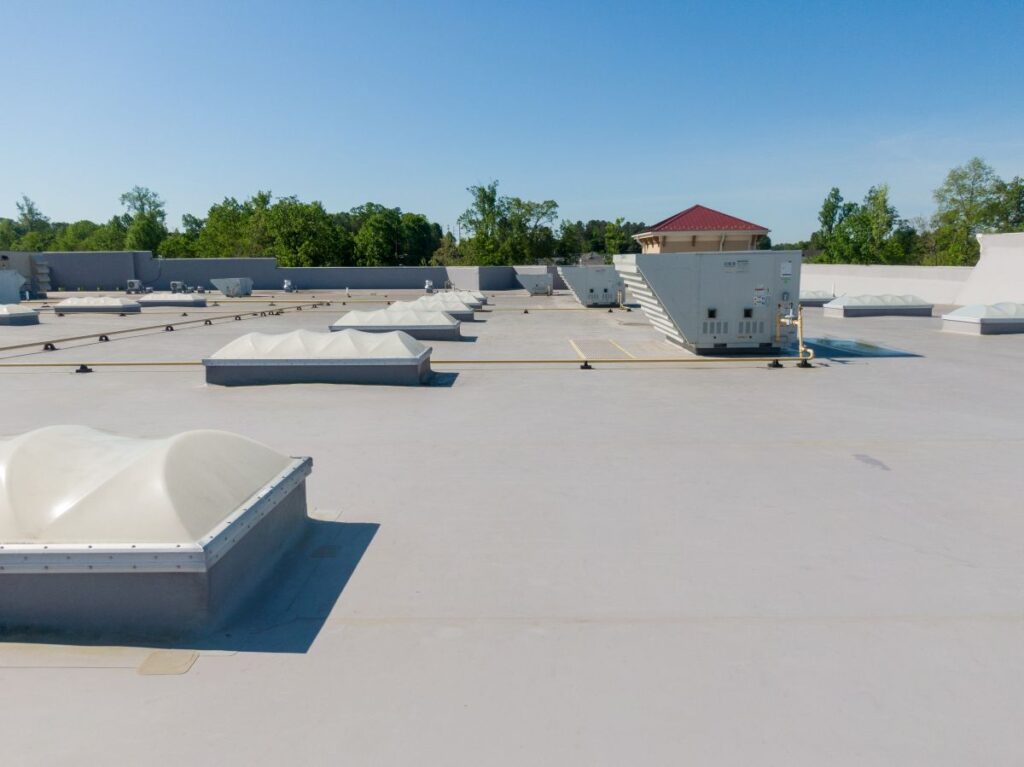
TPO stands for thermoplastic polyolefin, a single-ply roofing membrane commonly used on flat and low-slope roofs. This roofing material is designed to create a durable waterproof barrier that protects the structure from moisture, sunlight, and weather exposure.
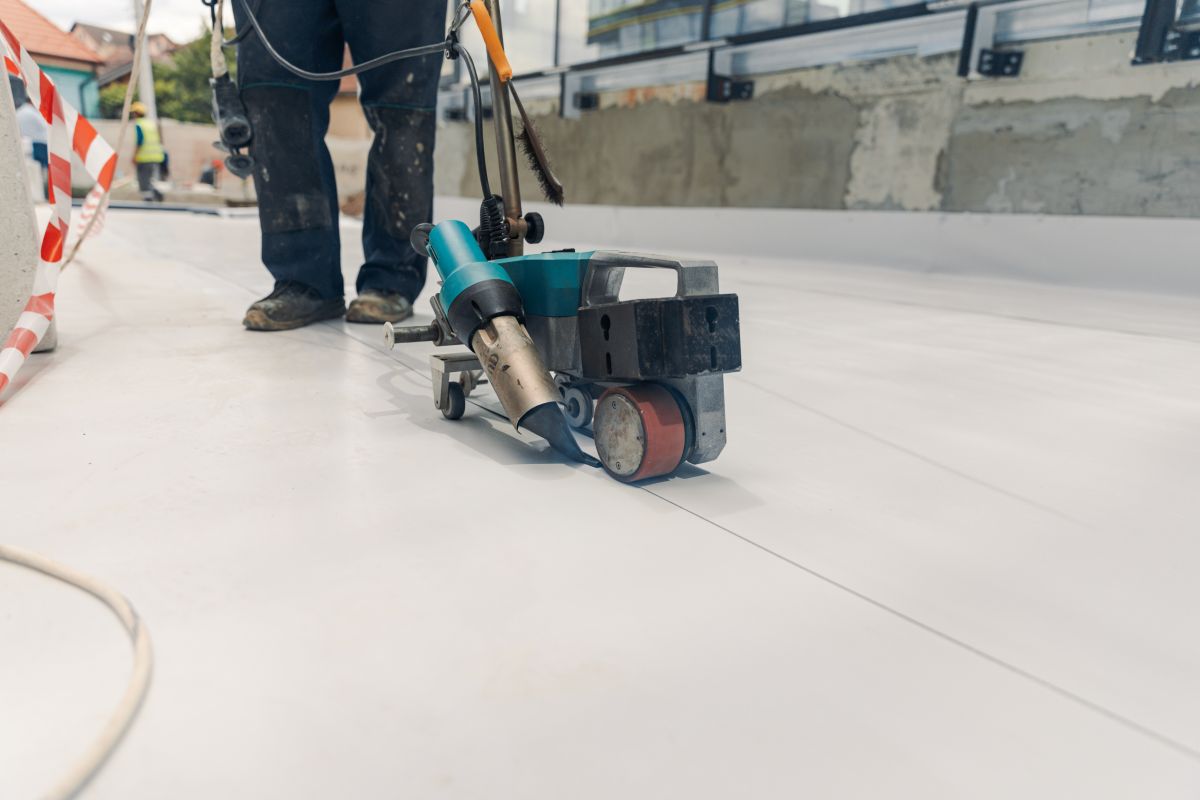
TPO roofing membranes are typically installed in large sheets that are mechanically fastened or fully adhered to the roof surface. Seams are heat-welded during the installation process, creating a watertight bond that improves the overall waterproofing of the roof. Because of its reflective surface, TPO also helps reduce heat absorption, which can improve energy efficiency in many commercial buildings.
Roofing contractors often recommend TPO systems for commercial construction projects because they balance performance, durability, and roof cost.
9 Benefits of TPO Roofing Installation
TPO roofing has grown in popularity because it provides several important advantages for property owners. Below are nine key benefits to consider when evaluating this roofing system.
1. Energy Efficiency
TPO roofing membranes are designed to reflect sunlight rather than absorb it. This reflective surface helps reduce heat buildup on the roof and can lower cooling costs in warmer climates.
- Reflective surface: Helps block UV rays from heating the building.
- Reduced cooling costs: Lower heat absorption can improve indoor comfort.
- Energy savings: Helps maintain consistent indoor temperatures.
2. Strong Waterproof Protection
TPO roofing systems create a continuous waterproof barrier across the roof surface.
- Heat-welded seams: Prevent water from entering through joints.
- Durable membrane: Protects the building from rain and standing water.
- Reliable leak resistance: Ideal for flat roof systems.
3. Durable Roofing Material
TPO membranes are built to withstand harsh weather conditions and environmental exposure.
- UV resistance: Protects the membrane from sunlight damage.
- Impact resistance: Helps prevent punctures from debris.
- Long-term durability: Designed to last decades with proper maintenance.
4. Flexible Installation Options
TPO roofing installation can be completed using several different methods depending on the building structure.
- Mechanically fastened systems: Secure the membrane with fasteners.
- Fully adhered systems: Use adhesives to attach the roofing material.
- Ballasted systems: Use weight to hold the membrane in place.
5. Cost-Effective Roofing System
Compared with some other commercial roofing materials, TPO often offers strong performance at a competitive roof cost.
- Affordable materials: Often less expensive than PVC roofing systems.
- Efficient installation: Large sheets help reduce labor time.
- Long lifespan: Helps reduce replacement costs over time.
6. Environmentally Friendly Material
TPO roofing is considered a more environmentally responsible option than some older roofing materials.
- Recyclable materials: Many membranes can be recycled after use.
- Reduced energy consumption: Reflective surfaces lower cooling demand.
- Minimal chemical emissions: Modern manufacturing reduces environmental impact.
7. Lightweight Roofing System
TPO membranes are relatively lightweight compared with many traditional roofing materials.
- Reduced structural load: Ideal for large commercial roofs.
- Easier installation: Lightweight sheets are easier for roofing crews to handle.
- Lower construction stress: Places less strain on the building structure.
8. Resistant to Mold and Dirt
TPO roofing membranes are designed to resist microbial growth and dirt buildup.
- Clean surface: Helps maintain roof appearance.
- Reduced mold growth: Resistant to moisture-related bacteria.
- Lower maintenance requirements: Keeps upkeep simple.
9. Long Lifespan
With proper installation and routine maintenance, TPO roofing systems can provide decades of protection.
- Typical lifespan: Often lasts 20–30 years.
- Maintenance support: Regular inspections extend performance.
- Reliable protection: Designed for long-term commercial roofing durability.
TPO Roofing Installation Process
Installing a TPO roofing system involves several steps to ensure durability and waterproof performance.
- Roof inspection: Contractors inspect the roof deck to confirm it is structurally sound.
- Insulation installation: Insulation boards are installed to improve energy efficiency and provide a smooth surface.
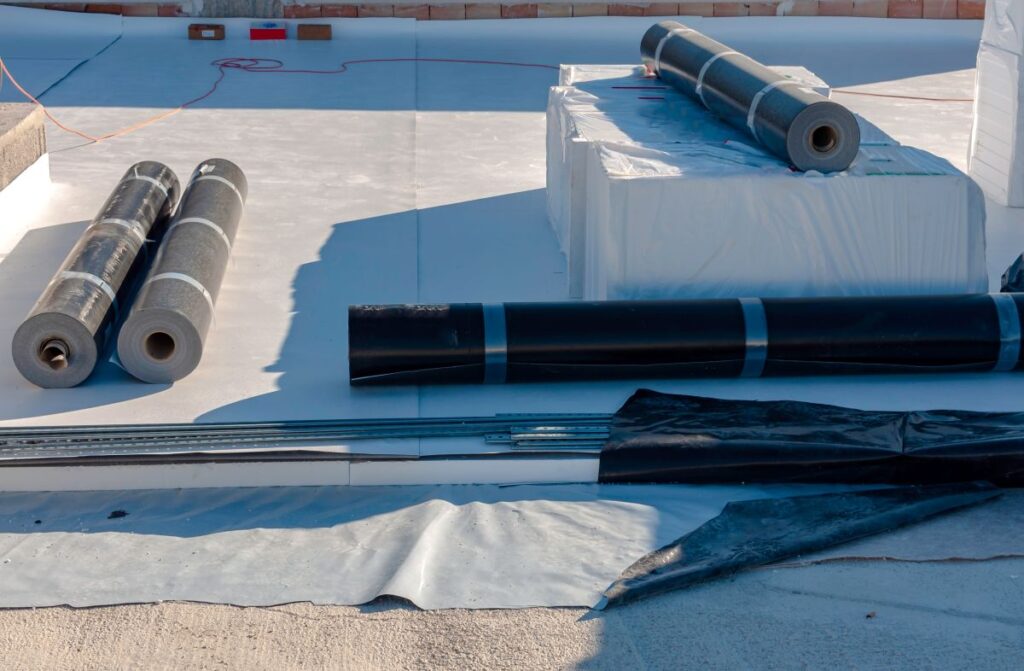
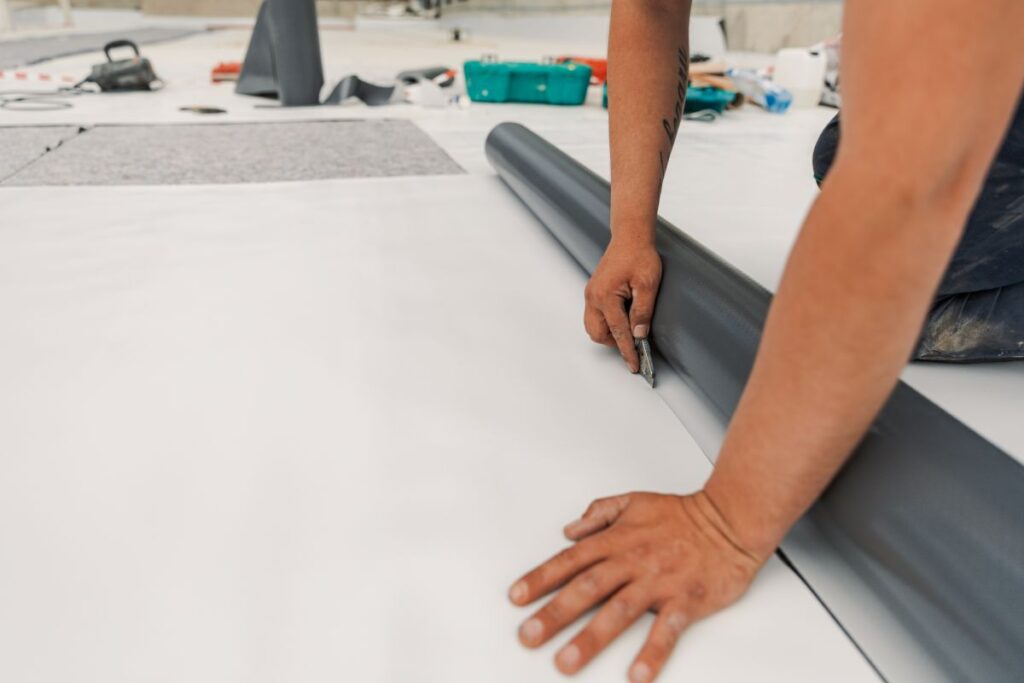
- Membrane placement: Large sheets of TPO roofing membrane are rolled across the roof.
- Seam welding: Heat welding bonds the seams together to create a waterproof seal.
- Edge detailing: Flashing and edge components are installed to protect roof transitions.
Professional roofing contractors ensure each stage of the installation process is completed according to manufacturer specifications.
Comparing TPO to Other Commercial Roofing Systems
Understanding how TPO compares to other roofing systems can help property owners make an informed decision.
| Roofing Type | Lifespan | Cost Range | Best Use |
| TPO | 20–30 years | $5–$10 per sq. ft. | Energy-efficient flat roofs |
| PVC | 20–30+ years | $7–$12 per sq. ft. | Premium commercial roofs |
| EPDM | 15–25 years | $4–$8 per sq. ft. | Budget-friendly flat roofs |
| Modified Bitumen | 15–25 years | $5–$9 per sq. ft. | Durable multi-layer systems |
Each roofing system has advantages depending on the building’s structure, climate conditions, and project budget.
Common Questions About TPO Roofing Installation
Property owners often have questions about how TPO roofing works and what to expect during installation.
How long does TPO roofing last?
Most TPO roofing systems last between 20 and 30 years with proper maintenance and regular inspections.
Is TPO roofing good for commercial buildings?
Yes. TPO roofing is one of the most widely used systems for commercial buildings because it provides strong waterproofing, energy efficiency, and durability.
Can TPO roofing be installed over an existing roof?
In some cases, contractors can install TPO over existing roofing systems if the underlying structure is in good condition and local building codes allow it.
Does TPO roofing require maintenance?
Like any roofing system, routine inspections and minor maintenance help extend the lifespan and performance of the roof.
Reliable Commercial Roofing Solutions from Streamline Roofing
Choosing the right contractor is just as important as choosing the right roofing material. At Streamline Roofing, our experienced roofing professionals provide expert TPO roofing installation, inspections, maintenance, and repair services.
We’re proud to serve property owners and businesses in Escondido, CA, and nearby communities with dependable commercial roofing solutions. If you’re considering TPO roofing installation for your building, contact Streamline Roofing today to schedule a consultation and learn more about your roofing options.