Roofing
8 TPO Roofing Materials: How Does It Compare to Other Commercial Roofing Materials? (2026 Guide)
Choosing tpo roofing material is a popular option for commercial property owners looking for durability, energy efficiency, and cost-effective performance. TPO roofing systems are widely used on flat roofs and low-slope buildings due to their ability to resist heat, UV exposure, and moisture. Understanding how TPO compares to other commercial roofing materials helps property owners make smarter long-term decisions. Below are the key areas this guide will cover:
- Performance factors: How TPO roofing performs in real conditions
- Cost comparison: How pricing compares to other systems
- Material differences: Key features of commercial roofing options
- Installation insights: What impacts long-term performance
- Best use cases: When TPO is the right choice
What Is TPO Roofing Material and How Does It Work
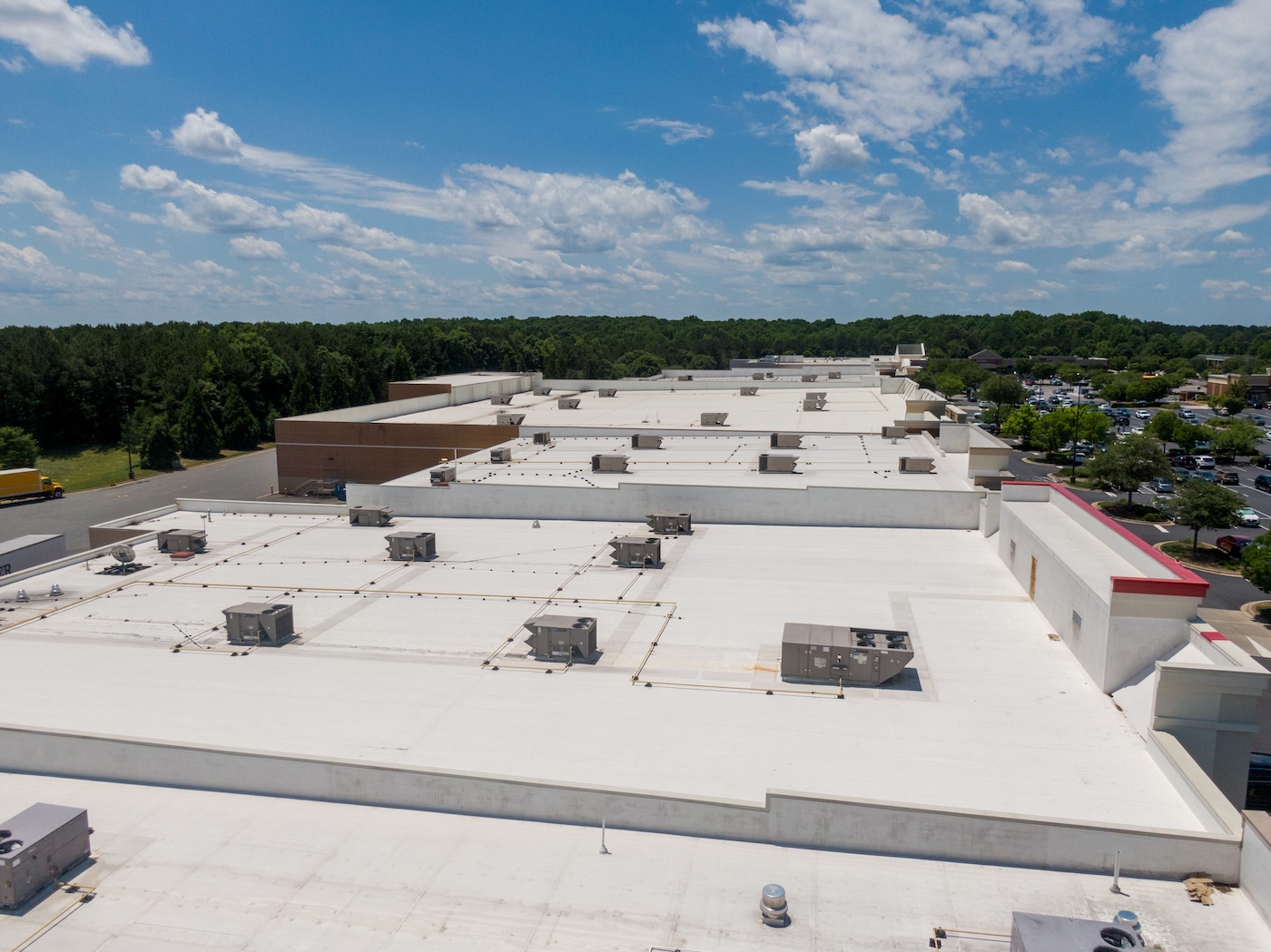
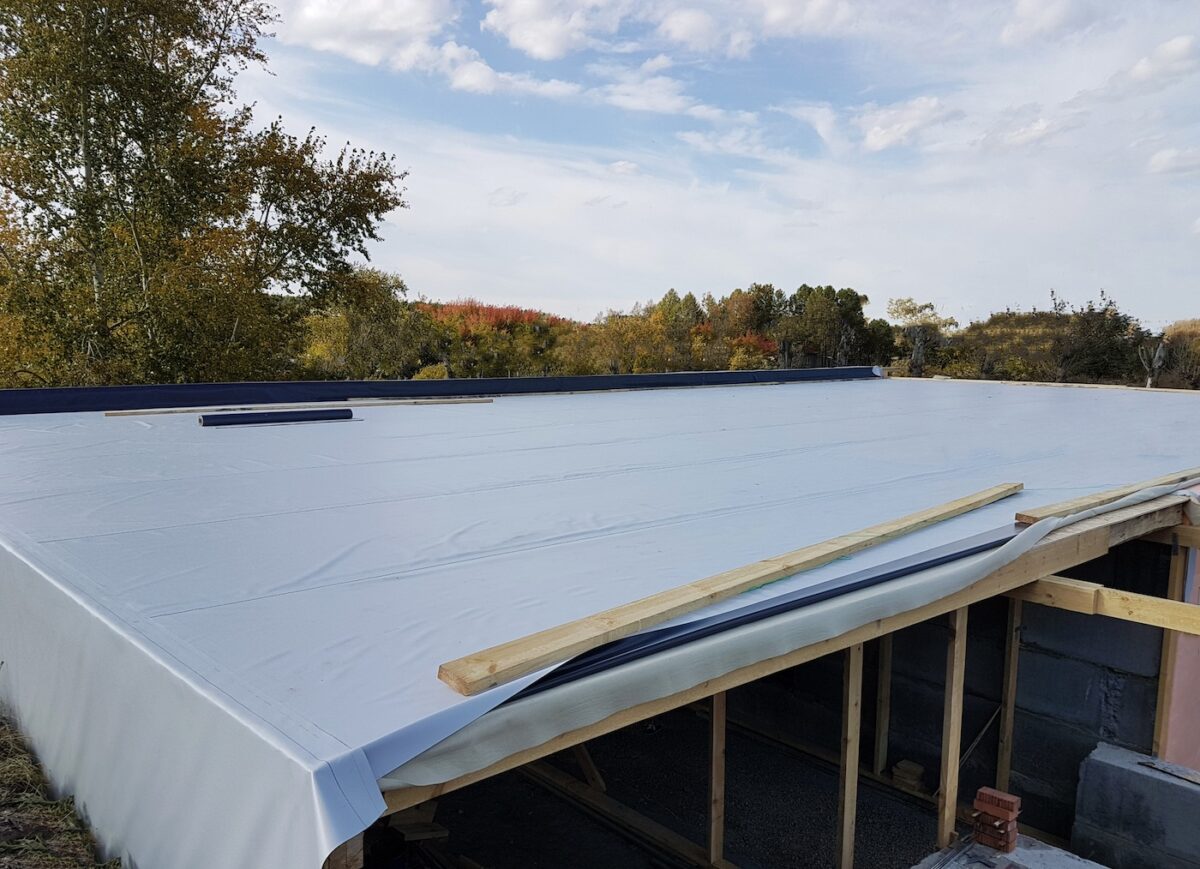
TPO, or thermoplastic polyolefin, is a single-ply TPO roofing membrane commonly used in commercial roofing systems. It is designed to provide a strong, flexible surface that protects buildings from water damage, UV rays, and environmental wear.
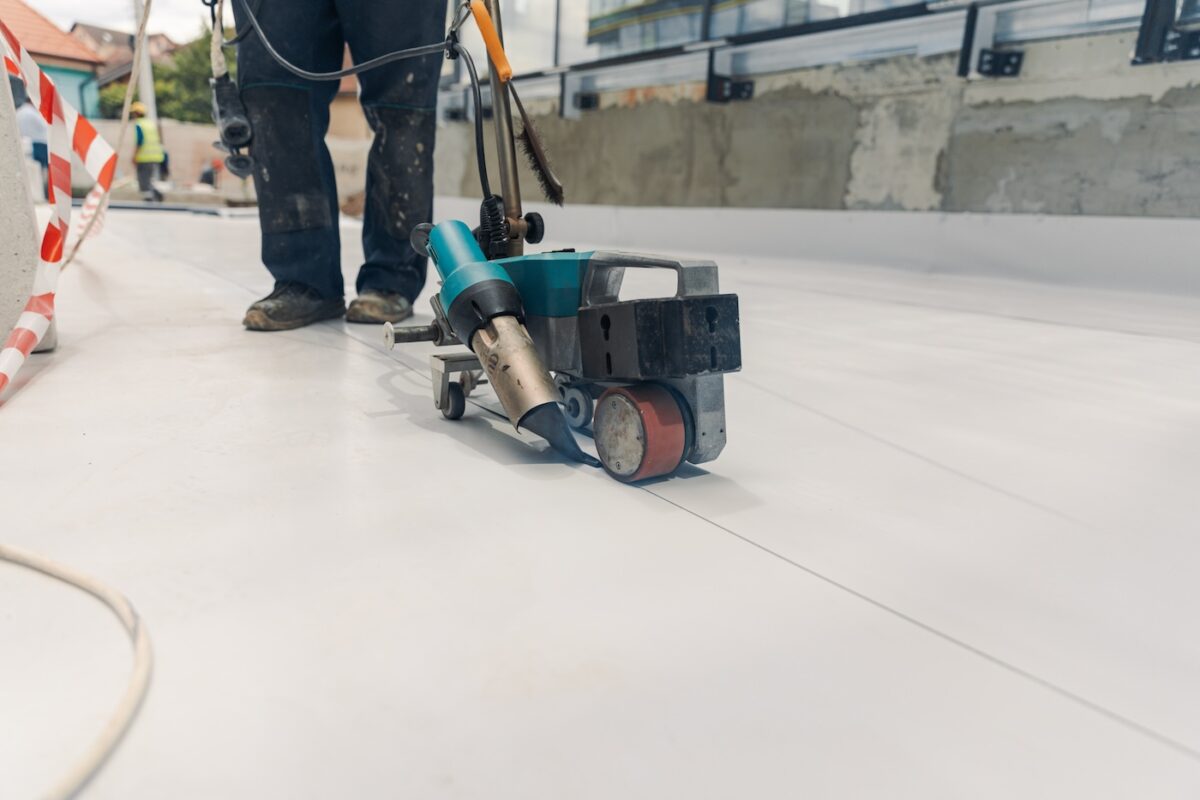
This tpo membrane is heat-welded at the seams, creating a watertight barrier that is highly resistant to leaks. TPO membranes are available in 45-mil, 60-mil, and 80-mil thicknesses, allowing property owners to choose the right level of durability based on their building needs.
TPO is especially effective for flat roofs, where drainage and water resistance are critical. Its durability and flexibility allow it to perform well across a range of climates and conditions, including coastal properties that rely on commercial roofing in Coronado.
Key Benefits of TPO Roofing Systems
TPO roofing systems offer several advantages that make them competitive in the commercial roofing market. These benefits are especially important for building owners looking to balance cost and performance. According to SPRI, the recognized authority in the commercial roofing industry, TPO is the fastest-growing segment of the commercial roofing industry, with most light-colored TPO membranes ENERGY STAR qualified and directly attributed to reductions in buildings’ energy consumption and costs by greatly diminishing the need for air conditioning — making it one of the most well-supported choices for commercial property owners in warmer climates like Southern California.
Some of the most notable benefits include:
- Energy efficiency: Reflective surface reduces cooling costs
- Water resistance: Heat-welded seams prevent leaks
- Durability: Resistant to UV rays, punctures, and weather damage
- Cost savings: Typically 25–35% cheaper than competing membrane systems like PVC
These features make TPO a strong contender among modern commercial roofing options. In addition, TPO has a lifespan of typically 15 to 25 years, making it a reliable mid-range roofing solution.
8 Key Differences Between TPO and Other Commercial Roofing Materials
Understanding how TPO compares to other systems helps property owners choose the best roofing solution. These differences highlight performance, cost, and long-term value.
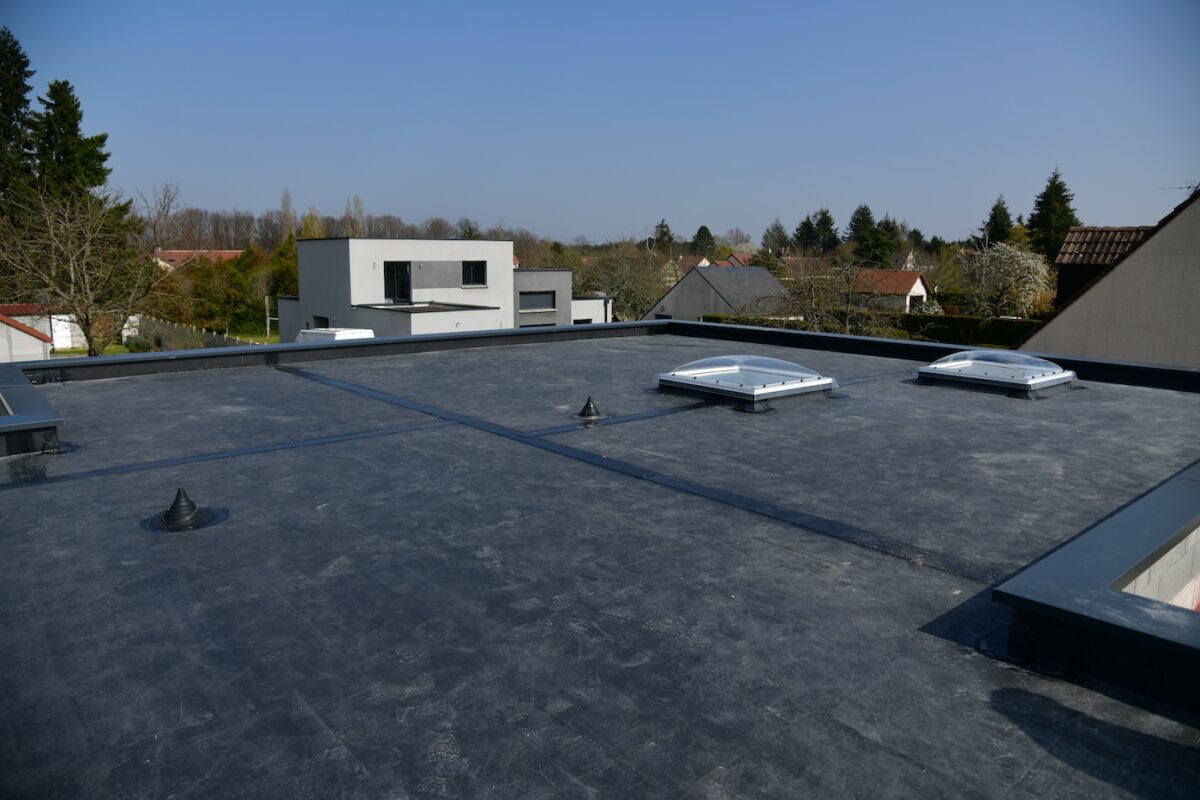
- Energy efficiency: TPO reflects heat better than many traditional materials.
- Installation method: Uses heat-welded seams instead of adhesives.
- Cost range: More affordable than many competing systems, like PVC.
- Flexibility: Adapts well to building movement and temperature changes.
- Maintenance needs: Requires less upkeep than built-up roofing systems.
- Environmental impact: Often considered a more eco-friendly option.
- Durability: Strong resistance to tears and punctures.
- Lifespan: Typically lasts 15 to 25 years, depending on conditions.
TPO vs Other Commercial Roofing Materials
Comparing TPO with other common roofing systems helps clarify its strengths and limitations. This allows property owners to make informed decisions based on their building needs.
| Feature | TPO Roofing | EPDM Roofing | PVC Roofing |
| Lifespan | 15–25 years | 20–30 years | 25–30+ years |
| Energy Efficiency | High | Low | High |
| Seam Strength | Heat-welded | Adhesive seams | Heat-welded |
| Cost | Moderate | Lower | Higher |
| Maintenance | Low | Moderate | Low |
This comparison shows that TPO offers a strong balance between affordability and performance, although PVC roofing sheets may offer a longer lifespan.
Cost Considerations for TPO Roofing
The cost of TPO roofing depends on several factors, including roof size, labor, and system complexity. Pricing is typically calculated per square foot, making larger buildings more expensive overall.
Key cost factors include:
- Material quality: Thicker tpo roofing membrane options increase durability
- Roof size: Larger areas increase total cost
- Labor costs: Installation complexity impacts pricing
- Insulation layers: Additional components increase investment
While TPO is often more affordable upfront, its energy efficiency and durability contribute to long-term savings.
Installation Process and Performance Factors
The installation process plays a critical role in how well a TPO roofing system performs over time. Proper preparation of the roof deck ensures the membrane adheres correctly and maintains long-term durability.
TPO systems can be installed using different methods, including mechanically attached, fully adhered, or ballasted systems. A fully adhered system provides maximum wind uplift protection, making it ideal for areas prone to strong winds, including mountain properties that need Julian commercial roofing.
Working with an experienced roofing contractor ensures the system is installed correctly and that all seams are properly welded. This reduces the risk of leaks and improves the overall lifespan of the roof.
When TPO Roofing Is the Best Choice
TPO roofing is an excellent choice for many commercial buildings, especially those with flat or low-slope roofs, making it a common option during a flat roof replacement. Its reflective properties and durability make it ideal for buildings in warmer climates. TPO’s color options can also enhance a building’s aesthetic appeal while improving energy efficiency. This makes it a strong choice for property owners who want both performance and visual appeal. It is also a practical solution for those looking to balance cost with long-term protection. However, the final decision should always consider building design, climate, and usage needs.
We’re proud to serve commercial property owners in El Cajon, CA, and nearby communities with TPO roofing installation and replacement services. Local climate conditions make energy-efficient and durable roofing systems especially valuable.
Upgrade Your Commercial Roof With Streamline Roofing
TPO roofing material offers a balance of performance, efficiency, and affordability for modern commercial buildings. Streamline Roofing provides expert installation and guidance to help you choose the right roofing system for your property. Whether you’re planning a new installation or replacing an existing roof, our team delivers reliable results for property owners seeking a trusted La Jolla commercial roofing company. Contact Streamline Roofing today to schedule your consultation and explore TPO roofing solutions.