Roofing
8 Roof Replacement Cost Factors That Drive Pricing
Understanding roof replacement cost is essential for homeowners planning a major roofing project. The actual cost of a new roof can vary widely depending on materials, labor, and the condition of your old roof. If you are comparing options, learning more about professional roofing solutions can help you better understand how roof installation pricing works and what goes into a full replacement. Knowing what drives average roof replacement costs helps you budget effectively, compare estimates, and avoid unexpected expenses. Below are the key factors this guide will cover:
- Material choices: How roofing materials impact total cost
- Labor considerations: What affects roof replacement labor pricing
- Roof size and structure: Why square foot measurements matter
- Hidden costs: What homeowners often overlook
- Long-term value: How to make cost-effective decisions
Why Roof Replacement Costs Vary So Much
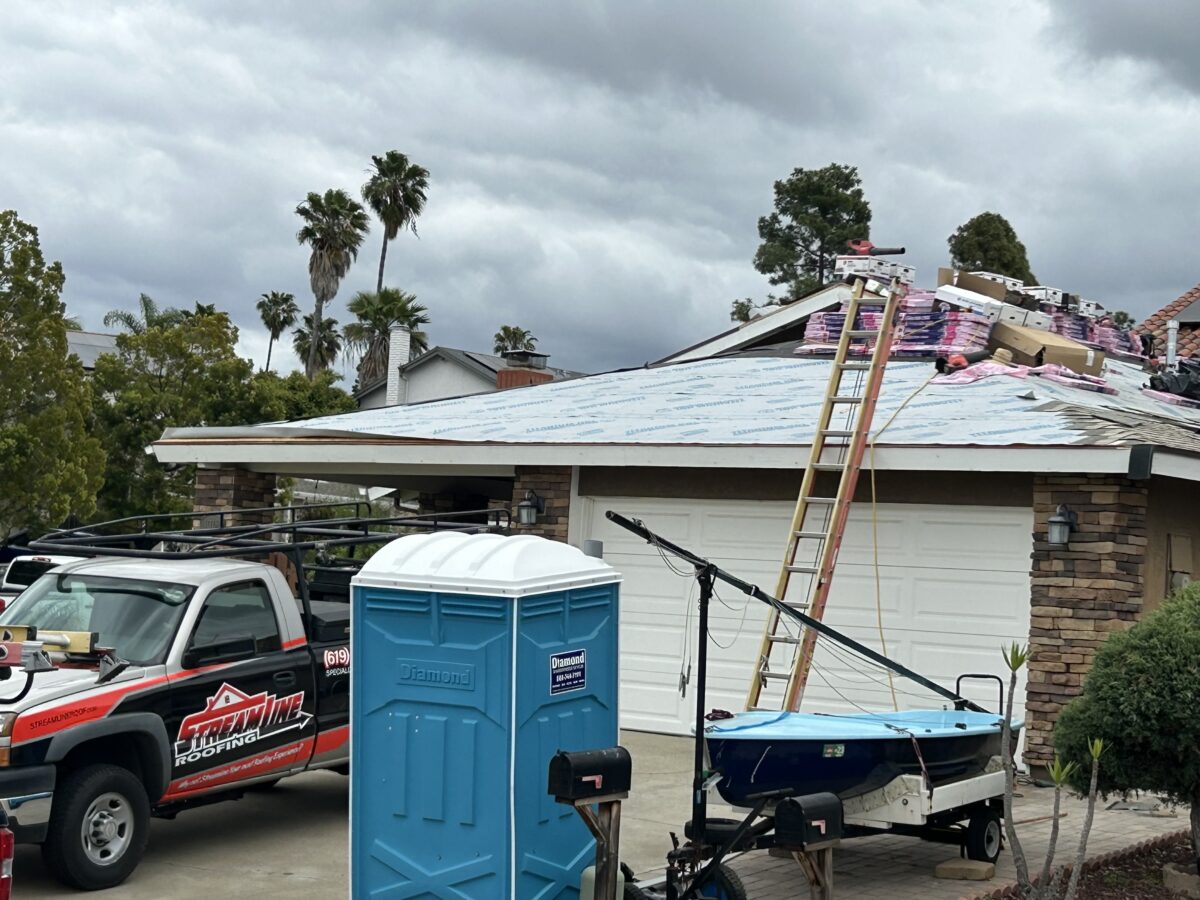
Roof replacement costs can differ significantly from one home to another because every roofing system is unique. Factors like roof size, square foot measurements, and roof structure all influence pricing.
The condition of your old roof and existing roofing material also plays a major role. If your current system has multiple layers, water damage, or aging components, the total cost will increase due to additional labor and materials required, something a trusted roofing company in Del Mar will account for in the estimate.
Key Components That Affect Roof Replacement Cost
Several core elements influence how much you will pay for a roof replacement. Understanding these components helps homeowners evaluate estimates and choose a reputable roofing contractor with confidence.
Some of the most important cost drivers include:
- Roof size: Larger roofs increase material quantities and labor time
- Material selection: Choosing affordable roofing material vs premium options impacts pricing
- Labor costs: Roof replacement labor varies by contractor and complexity
- Permits and inspections: Local requirements can add to total cost
These elements form the baseline of most roofing estimates and help determine the final price per square foot.
8 Factors That Drive Roof Replacement Cost
Understanding these eight key factors gives homeowners a clearer picture of what to expect when planning a roofing project.
1. Roof Size and Square Footage
The overall size of your roof is one of the most significant pricing factors because it directly impacts both material usage and labor. Roofing contractors often calculate estimates based on roofing square units, which represent 100 square feet of coverage.
- Square foot pricing: Larger roofs increase cost per square foot totals
- Roofing square calculations: Determines total material needs
- Labor scaling: Bigger roofs require more installation time
2. Material Type
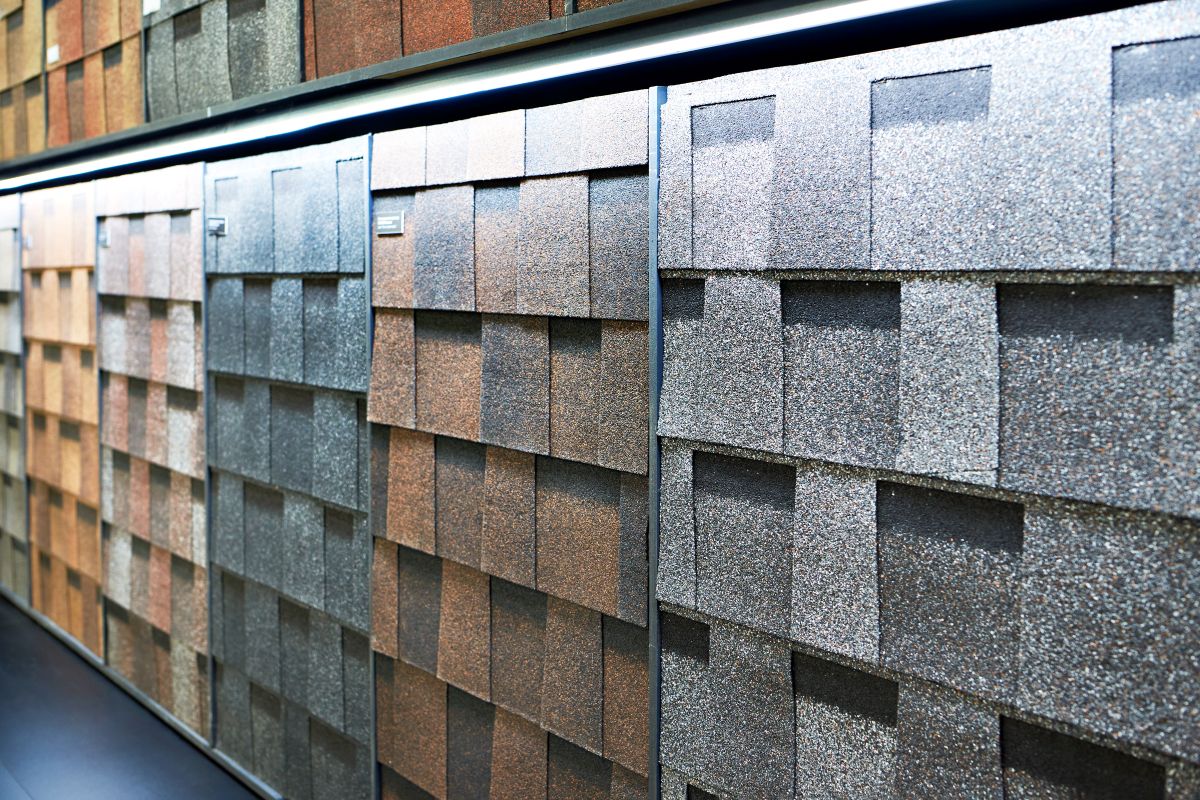
The type of roofing material you choose has a major impact on both upfront cost and long-term durability. Homeowners often compare the most affordable roofing material with higher-end options like tile roofing.
- Affordable roofing material: Asphalt shingles remain the most common choice
- Tile roofing: Offers durability but comes at a higher price
- Material upgrades: Premium products increase overall cost
3. Roof Pitch and Structure
The roof structure and slope determine how complex the installation process will be. Steeper roofs require additional safety measures and skilled labor, so knowing your roof pitch helps set expectations.
- Steep designs: Increase labor time and safety requirements
- Complex structure: Adds difficulty during roof installation
- Access limitations: Hard-to-reach areas raise costs
4. Tear-Off vs Overlay
Whether you remove your old roof or install over it affects both pricing and long-term performance. A tear-off allows contractors to inspect the decking and avoid future issues.
- Old roof removal: Adds labor and disposal costs
- Overlay option: Lower upfront cost but may hide damage
- Disposal costs: Hauling away old materials increases expenses
5. Roof Deck Condition
The condition of the structure beneath your shingles plays a critical role in the total cost. Damage must be addressed before new materials are installed.
- Deck repairs: Required for damaged or weakened areas
- Moisture issues: Increase repair scope and pricing
- Structural integrity: Essential for long-term performance
6. Labor Rates
Labor is a major portion of roofing costs and varies depending on the contractor and project complexity. Choosing a reputable roofing contractor ensures quality results and long-term value.
- Roof replacement labor: Varies based on experience and project difficulty
- Crew expertise: Skilled teams often cost more but reduce future repairs
- Regional pricing: Labor rates differ by location
7. Ventilation and Insulation Upgrades
Upgrading ventilation and insulation improves performance but adds to upfront costs. These improvements can reduce the need for future roof repairs.
- Ventilation systems: Help regulate airflow and moisture
- Insulation upgrades: Improve energy efficiency
- Long-term savings: Reduce heating and cooling costs
8. Permits and Local Codes
Local regulations and building codes influence roofing projects and may add additional costs, especially for roofs in Julian.
- Permit fees: Required for most roof replacements
- Code upgrades: Ensure compliance with safety standards
- Inspection costs: Verify proper installation
Roofing Material Cost Comparison
Material choice is one of the biggest factors when calculating roof replacement cost. This comparison highlights pricing differences and long-term value.
| Material | Average Price Range (per sq ft) | Lifespan | Best Use |
| Asphalt Shingles | $3 – $6 | 15–25 years | Most affordable roofing material |
| Metal Roofing | $8 – $14 | 30–50 years | Long-term durability |
| Tile Roofing | $12 – $25 | 40–50+ years | Premium appearance |
| Wood Shingles | $6 – $10 | 20–30 years | Natural aesthetic |
Choosing the right material depends on your budget, climate, and long-term goals. While asphalt is often the most affordable roofing material, higher-end options can provide better durability and lifespan.
Hidden Costs to Consider
Many homeowners focus on visible pricing but overlook additional expenses that impact the total cost. These hidden factors can significantly affect the final estimate.
Common hidden costs include:
- Structural repairs: Damage beneath existing roofing material
- Disposal costs: Removing and hauling away debris
- Roof repairs: Fixing underlying issues before installation
- Upgraded components: Higher-quality materials increase durability
Planning for these costs helps avoid surprises and ensures a smoother project.
How Labor Impacts Roof Replacement Cost
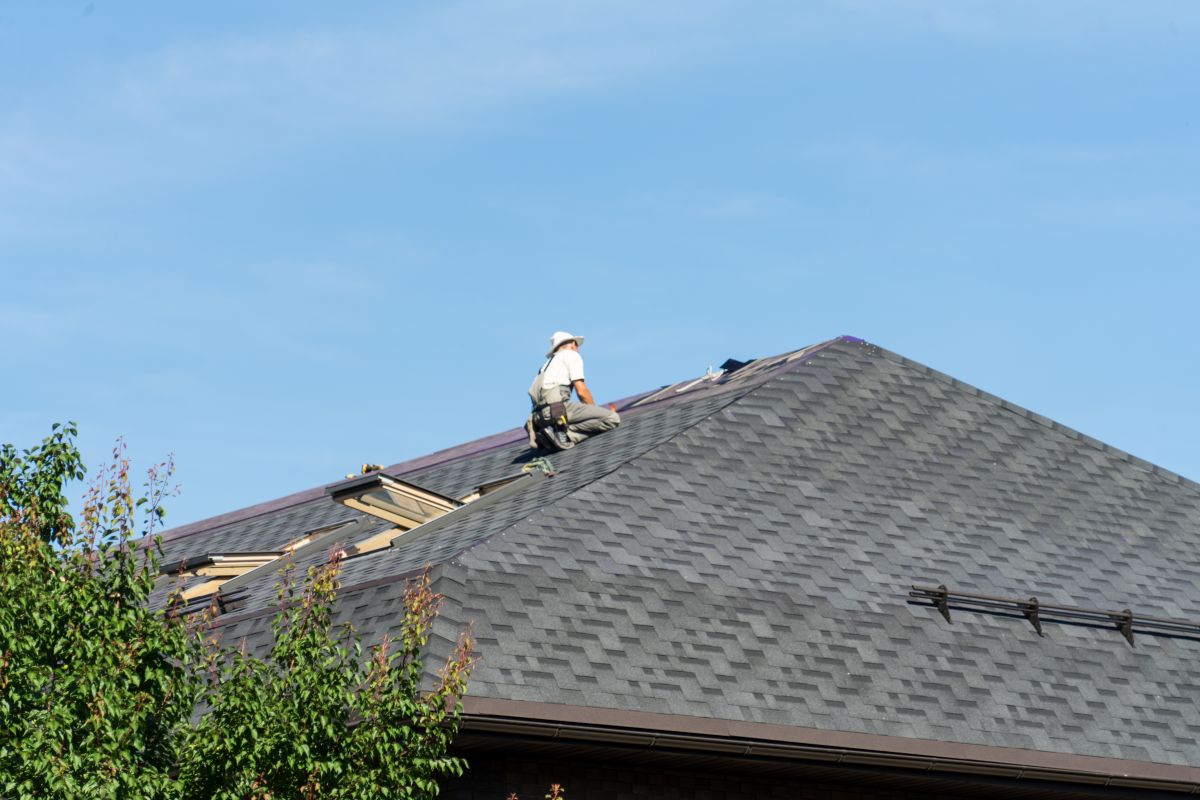
Labor is one of the largest portions of any roofing estimate and is influenced by project complexity, accessibility, and contractor experience. Roof replacement labor costs increase with difficult installations and larger homes, and each step of an asphalt shingle roof installation adds to the total time.
More complex roofing systems require additional time, safety equipment, and skilled crews. Hiring a reputable roofing contractor ensures the job is completed correctly and reduces the risk of future issues.
Ways to Reduce Roof Replacement Costs
While roof replacement is a significant investment, there are practical ways to reduce costs without sacrificing quality. Strategic planning helps homeowners balance affordability with long-term performance.
Choose Cost-Effective Materials
Selecting an affordable roofing material that still provides durability helps control upfront costs while maintaining protection.
Schedule During Off-Peak Seasons
Roofing demand fluctuates throughout the year, and scheduling during slower periods can reduce labor costs and improve availability.
Get Multiple Estimates
Comparing estimates from different contractors helps you understand pricing differences and ensures you receive fair value for your investment.
We’re proud to serve homeowners in El Cajon, CA, and nearby communities with roof replacement services. Local conditions can influence roofing costs, material performance, and long-term durability.
Maximize Your Investment With Streamline Roofing
Roof replacement cost depends on many factors, but the right planning and professional support can make the process more manageable. Streamline Roofing provides detailed inspections, accurate estimates, and high-quality roof installation services to ensure your investment delivers long-term value. Whether you’re replacing an old roof or planning a new project, our team is here to help homeowners seeking a trusted La Jolla roofing contractor. When you’re ready to move forward, you can get in touch with our team to discuss your project and next steps.