
Roofing
How to Find a Leak in a Roof: 6 Steps for Homeowners
A brown stain on the ceiling or a steady drip during a storm is one of the most stressful things a homeowner can find. The hard part is that the spot where water shows up inside is rarely the spot where it enters the roof. If you’re searching for how to find a leak in a roof, the key is working step by step from the inside out, following the water back to its source. Homes in Bonita and across San Diego County often go months without rain, so small roof problems can hide until the first heavy storm reveals them. With a strong El Niño season underway, catching leaks early matters more than ever. When a leak is tough to pin down, professional roof water testing can confirm exactly where water is getting in before repairs begin.
Here’s what this guide covers:
- Why leaks are tricky: How water travels before it shows up inside.
- Six steps: A clear process for tracking down a roof leak.
- Common leak sources: Where to look based on what you see indoors.
- Why speed matters: What happens when leaks go unrepaired.
- Common questions: Straight answers about finding and fixing roof leaks.
Why Roof Leaks Are So Hard to Find
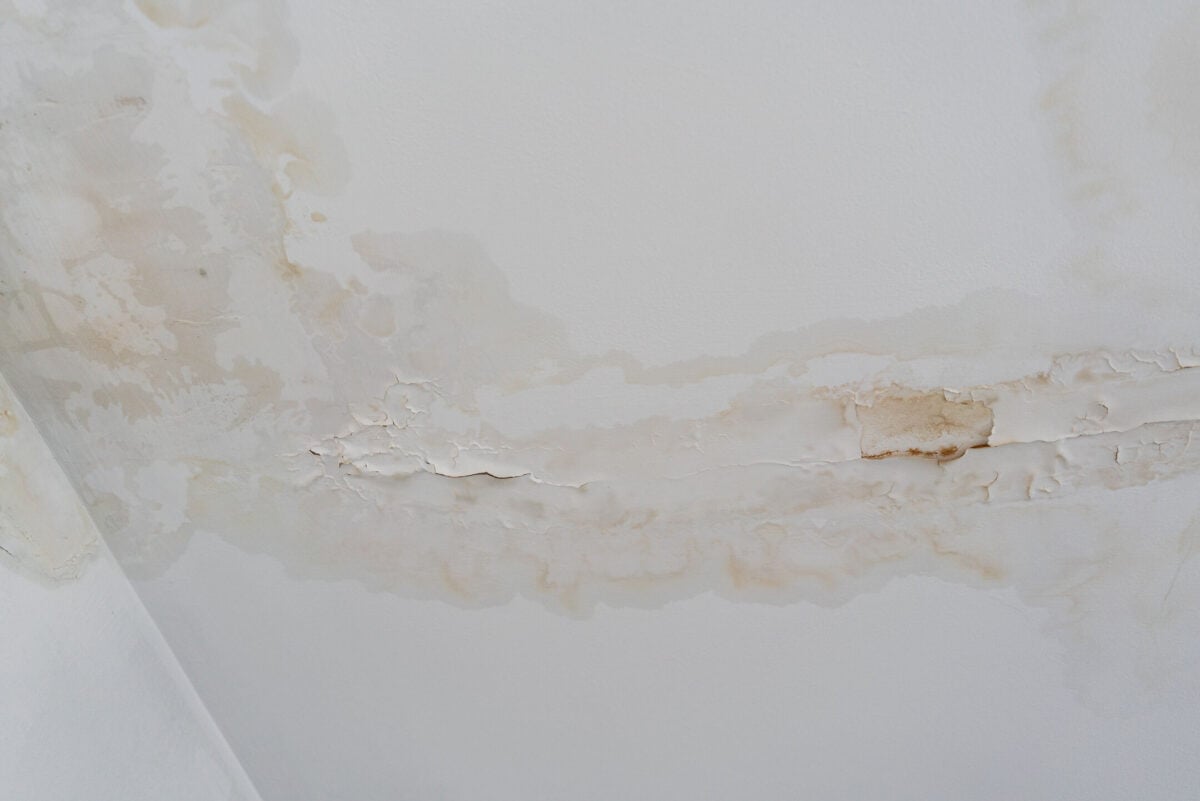
Roof leaks are hard to find because water rarely drips straight down. It usually enters through a small opening, then runs along the underlayment, roof deck, or rafters before it soaks through insulation and drywall somewhere else.
- Water travels: A leak can show up several feet away from where it actually enters the roof.
- Insulation hides it: Attic insulation can absorb water for a while before a stain appears.
- Some leaks are conditional: Wind driven rain may only reach certain openings during specific storms.
- Small openings matter: A cracked seal or a single nail hole can let in more water than you’d expect.
- Gutter backups: Blocked gutters or clogged gutters can push water under the roof edge, creating leaks far from any damaged roofing.
6 Steps to Find a Leak in Your Roof
Finding a roof leak takes a little patience, but following these steps in order will help you narrow down the source. Always put safety first and avoid climbing onto a wet or steep roof.
1. Start Where the Water Shows Up Inside
Begin at the stain, drip, or damp spot inside your home. This is your starting point, even though the actual leak is usually somewhere above and uphill from it.
- Mark the spot: Use painter’s tape to mark water stains so you can track whether they grow.
- Look for other clues: Peeling paint, bubbling drywall, or a musty smell can also point to a leaky roof.
- Note the timing: Write down when the leak appears, such as during heavy rain or only on windy days.
- Protect your belongings: Move furniture and set out buckets or towels to limit damage.
2. Inspect the Attic With a Flashlight
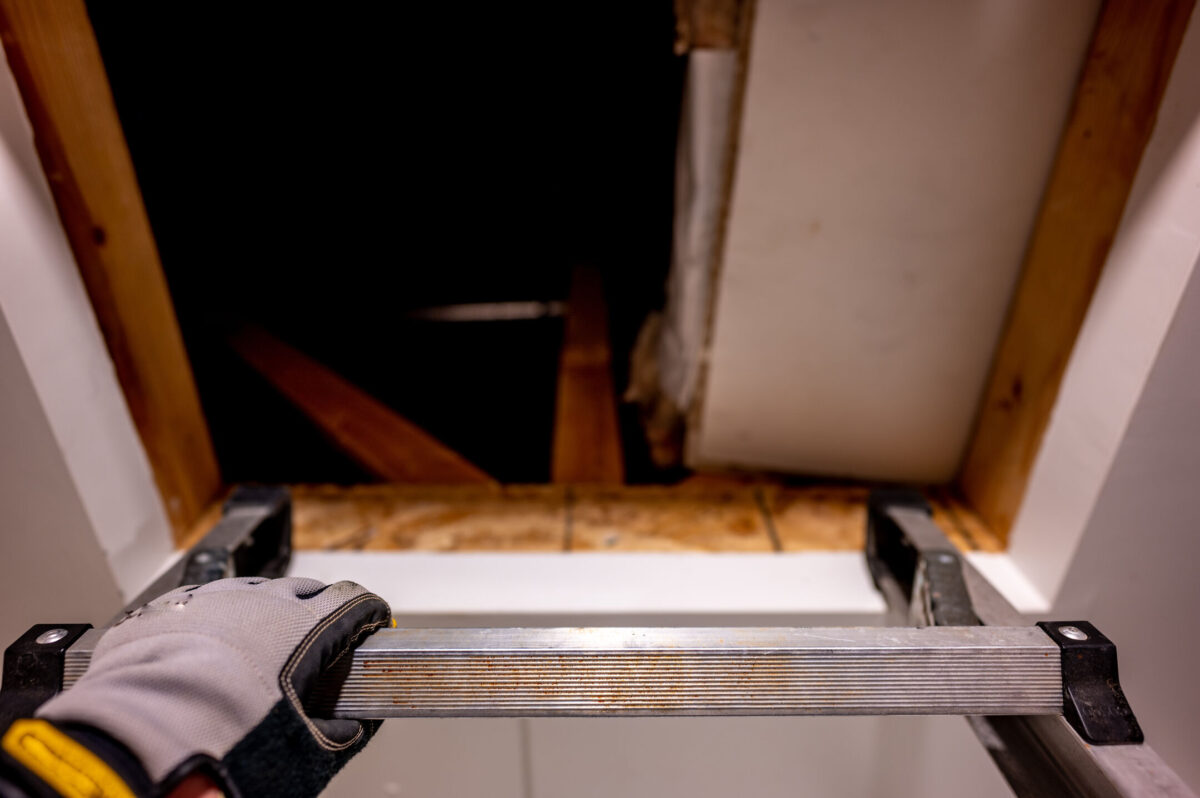
If you have attic access, this is the best place to trace the leak. Look above the stain first, then work your way uphill along the roof framing.
- Look for water trails: Dark streaks or stains on rafters and the roof deck show the path water is taking.
- Check the insulation: Wet, matted, or discolored insulation often sits near the source.
- Watch for daylight: Light coming through the roof deck points to an opening that water can also use.
3. Measure From a Reference Point
Once you find the wettest spot in the attic, measure its distance from something you can also see outside, like a vent pipe or chimney. This helps you or your roofer locate the same area on the roof’s surface.
- Use fixed landmarks: Plumbing vents, chimneys, and skylights make easy reference points.
- Take photos: Pictures of the attic area help a roofer understand the problem quickly.
4. Check Common Leak Sources From the Ground
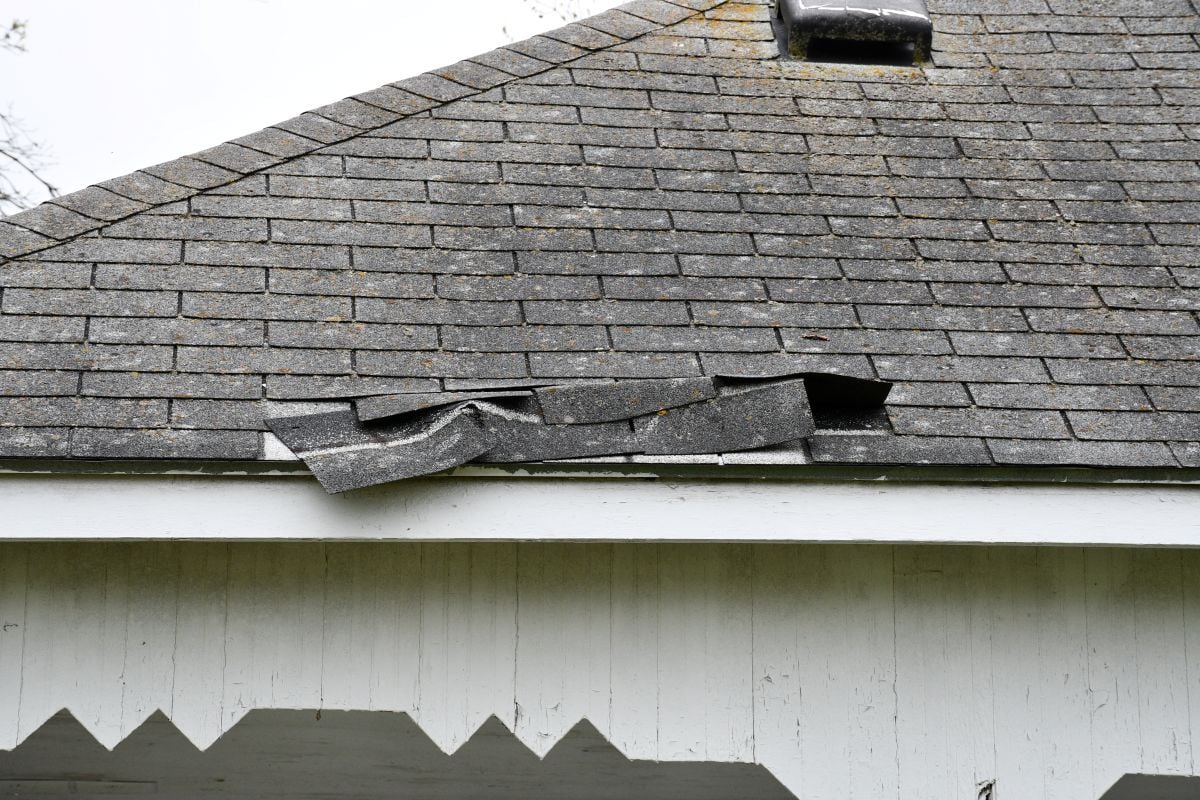
Many leaks start at the same few trouble spots. Use binoculars to look over the area you located without climbing on the roof.
- Flashing: Look for bent, rusted, or loose metal around chimneys, walls, and skylights.
- Roof penetrations: Check vent boots and pipe collars for cracks or gaps.
- Damaged roofing: Look for cracked or slipped tiles, and missing or damaged shingles on roofs with asphalt shingles.
- Valleys: These channels carry heavy water flow and can collect debris that causes leaks.
5. Try a Controlled Water Test
If the source still isn’t clear, a water test can help recreate the leak. One person runs a garden hose over a small section of the roof while another watches inside the attic for drips.
- Work from low to high: Start below the suspected area and move uphill in small sections.
- Be patient: Run water on each section for several minutes before moving on.
- Know the limits: Tile and steep roofs are risky to walk on, so this step is often best left to a professional.
6. Call a Roofer to Confirm and Repair
Even if you think you’ve found the leak, a professional inspection can confirm the source and check for related damage. Water that has been entering for a while may have affected the underlayment or roof deck.
- Accurate diagnosis: Roofers know where leaks commonly start on each roof type.
- Hidden damage: A pro can check for rot, wet insulation, worn underlayment, and missing shingles you can’t see from the ground.
- Lasting repair: Fixing the true source helps prevent future leaks and further damage.
- Repair or replace: If leaks are widespread, a roofer can tell you whether repairs are enough or a roof replacement makes more sense.
Common Roof Leak Sources and Where to Look
The location of a stain inside your home can offer clues about what’s happening on the roof. This table shows some of the most common connections.
| Leak Source | Where It Often Shows Up Inside | What to Check |
| Chimney or wall flashing | Ceilings or walls near the chimney or an exterior wall | Loose, rusted, or missing flashing and cracked sealant |
| Plumbing vent boots | Ceilings near bathrooms or kitchens | Cracked rubber boots or gaps around pipes |
| Skylights | Around the skylight frame or the ceiling below it | Worn seals and damaged flashing |
| Roof valleys | Ceilings near inside corners of the roofline | Debris buildup, cracked tiles, or worn valley metal |
| Ridge caps | Ceilings near the center of the home | Cracked, lifted, or missing ridge caps |
| Worn underlayment | Stains that appear in several spots over time | Underlayment age, especially under tile roofs |
Why You Should Act Quickly on a Roof Leak
A small leak can cause big problems if it’s left alone. Moisture that soaks into insulation, drywall, and framing creates the perfect conditions for mold growth. According to the EPA, if wet or damp materials are dried within 24 to 48 hours after a leak, in most cases mold will not grow. That makes it important to dry affected areas right away and get the roof repaired before the next storm adds more water.
We’re proud to serve home and business owners in Bonita, CA, and nearby communities with leak detection, roof repairs, and more. Our team understands how long dry stretches can hide roof problems until the rain returns, and we work quickly to find the source and stop the damage.
Common FAQs About Finding Roof Leaks
Roof leaks raise plenty of questions for homeowners. Here are answers to some of the most common ones.
How do you find a roof leak from inside the house?
Start at the stain or drip and then head into the attic with a flashlight. Look directly above the wet area first, then follow the roof framing uphill, since water usually travels downward along rafters before it drips. Watch for dark water trails, damp or matted insulation, and any daylight coming through the roof deck. Once you find the wettest spot, measure its distance from a vent pipe or chimney so the same area can be located on the roof outside.
Why does my roof only leak during heavy storms?
Leaks that appear only during heavy storms are often caused by wind driven rain. Strong gusts can push water sideways or uphill under shingles, tiles, flashing, and vents that stay dry during normal rain. Large amounts of rain can also overwhelm valleys and gutters, causing water to back up under roofing materials. Because these leaks depend on specific conditions, they can be easy to ignore. A professional inspection or water test can find the weak spot before the next big storm.
Why can’t I find where my roof is leaking?
Some roof leaks are hard to track because water can travel a long way before it shows up inside. It may run along the underlayment, roof deck, or rafters and soak into insulation before staining the ceiling several feet away. Other leaks only happen during certain wind directions or heavy downpours. Worn underlayment beneath tile roofs can also cause leaks with no visible damage on the surface. In these cases, a roofer with experience in water testing can usually pinpoint the source.
Is it safe to do a roof water test myself?
A basic hose test can be done safely on some single story homes with a low pitch, as long as one person stays on the ground or uses a stable ladder while another watches inside. However, walking on a roof is risky, especially when it’s wet. Tile roofs can crack under foot traffic, and steep or multistory roofs are dangerous without proper safety gear. If your roof is tile, steep, or more than one story, it’s best to let a professional handle the testing.
What should I do right away when I find a roof leak?
Start by limiting the damage inside. Move furniture and valuables, set out buckets or towels, and take photos of what you see. If water is pooling in a ceiling, a roofer or contractor can help you safely relieve it. Dry wet areas as quickly as possible to reduce the risk of mold. Then contact a roofing company to find and repair the source. If the leak is active during a storm, ask whether they offer emergency service to temporarily secure the area.
Stop the Drip With Streamline Roofing
Finding a roof leak can be frustrating, but you don’t have to track it down alone. Streamline Roofing helps homeowners locate leaks, repair the source, and check for hidden damage so the problem doesn’t come back. We also offer water testing to confirm exactly where water is entering. Every project begins with a free estimate from our owner, who has been roofing since 2001 and will show you exactly what he finds. You’ll receive a clear proposal the day after your inspection, and during the rainy season we keep emergency repair crews on call. As Owens Corning certified installers with an A+ rating from the Better Business Bureau, we put quality first on every job. Have our team track down your leak and get your home dry again.