
Roofing
El Niño in Southern California: 8 Roof Prep Tips for Homeowners
Forecasters have been tracking this year’s El Niño for months, and the storms that come with it are expected to test roofs across the region. If you’ve been following El Nino Southern California forecasts, you already know the message is to prepare early. Heavy rain, repeated storms, and gusty winds can expose every worn tile, loose shingle, and clogged gutter on your home. Homes in La Jolla face added pressure from coastal winds and salty marine air, while inland neighborhoods deal with runoff and debris. The good news is that a few focused steps now can make a big difference later. Scheduling storm ready roof repairs before the heaviest rain arrives is one of the best ways to protect your home and avoid emergency fixes.
Here’s what this guide covers:
- What El Niño means locally: How this season could affect homes in the region.
- Eight prep tips: Practical steps to get your roof ready.
- DIY or professional: Which tasks you can handle and which need a roofer.
- Local service: Help for homeowners in coastal and inland communities.
- Common questions: Straight answers about El Niño and your roof.
What Does El Niño Mean for Local Homes?
El Niño is a warming of ocean waters in the tropical Pacific that shifts weather patterns and often sends more storms toward Southern California. It is the warm phase of the El Niño Southern Oscillation (ENSO), a natural cycle in which sea surface temperatures in the eastern tropical Pacific Ocean rise above normal and change how storms move across the Pacific Ocean. El Niño shifts the Pacific jet stream southward, steering more storms toward the region, and marine heat waves can make El Niño’s effects on ocean ecosystems even more severe. For homeowners, that usually means more frequent rain, stronger winds, and fewer dry days between storms. This season, El Niño related impacts in Southern California are likely to peak between December 2026 and February 2027, with early storms possible before then. This year is shaping up to be a strong El Niño, and many forecasters expect a very strong El Niño event that could rival some of the most powerful El Niño years on record. Previous El Niño events have shown how quickly heavy rain can expose weak spots in a roof.
Local officials are treating this season seriously. The County of San Diego has proclaimed a local emergency ahead of a potentially historic El Niño season expected to bring heavy rain, repeated storms, and significant flooding risk. For your roof, those conditions add up to steady pressure on every weak spot. Research has also found that El Niño years can lead to 10 times greater flood damages in California, a reminder of how costly an unprepared season can be.
- Heavy rain: Large amounts of water test underlayment, flashing, and seams.
- Repeated storms: Roofs have little time to dry out, so small leaks grow quickly.
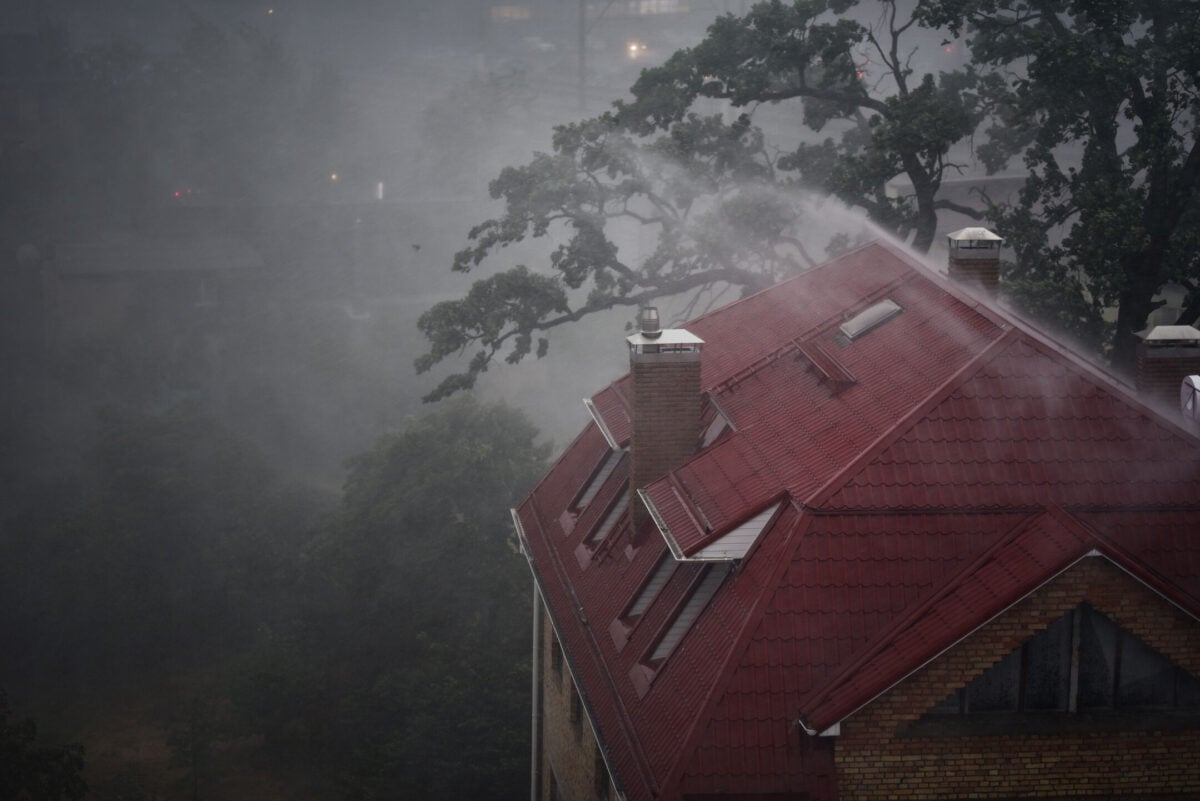
- Gusty winds: Wind can lift shingles, loosen tiles, and push rain under roofing materials.
- Coastal exposure: Homes near the shore face higher surf, coastal flooding risk, and salt air.
- Coastal erosion: Powerful waves during El Niño make coastal erosion worse, adding stress to homes near beaches and bluffs.
8 Roof Prep Tips for Homeowners
Getting your roof ready doesn’t have to be overwhelming. Work through these steps in order, and your home will be in a much stronger position when the heavy rain arrives.
- Book a roof inspection early: A professional can find hidden problems now, before roofing schedules fill up once storms begin.
- Replace cracked tiles and missing shingles: Even one damaged piece can expose the underlayment to water during a heavy storm.
- Check the underlayment on older tile roofs: Tile often outlasts the underlayment beneath it, and worn underlayment is a common source of hidden leaks.
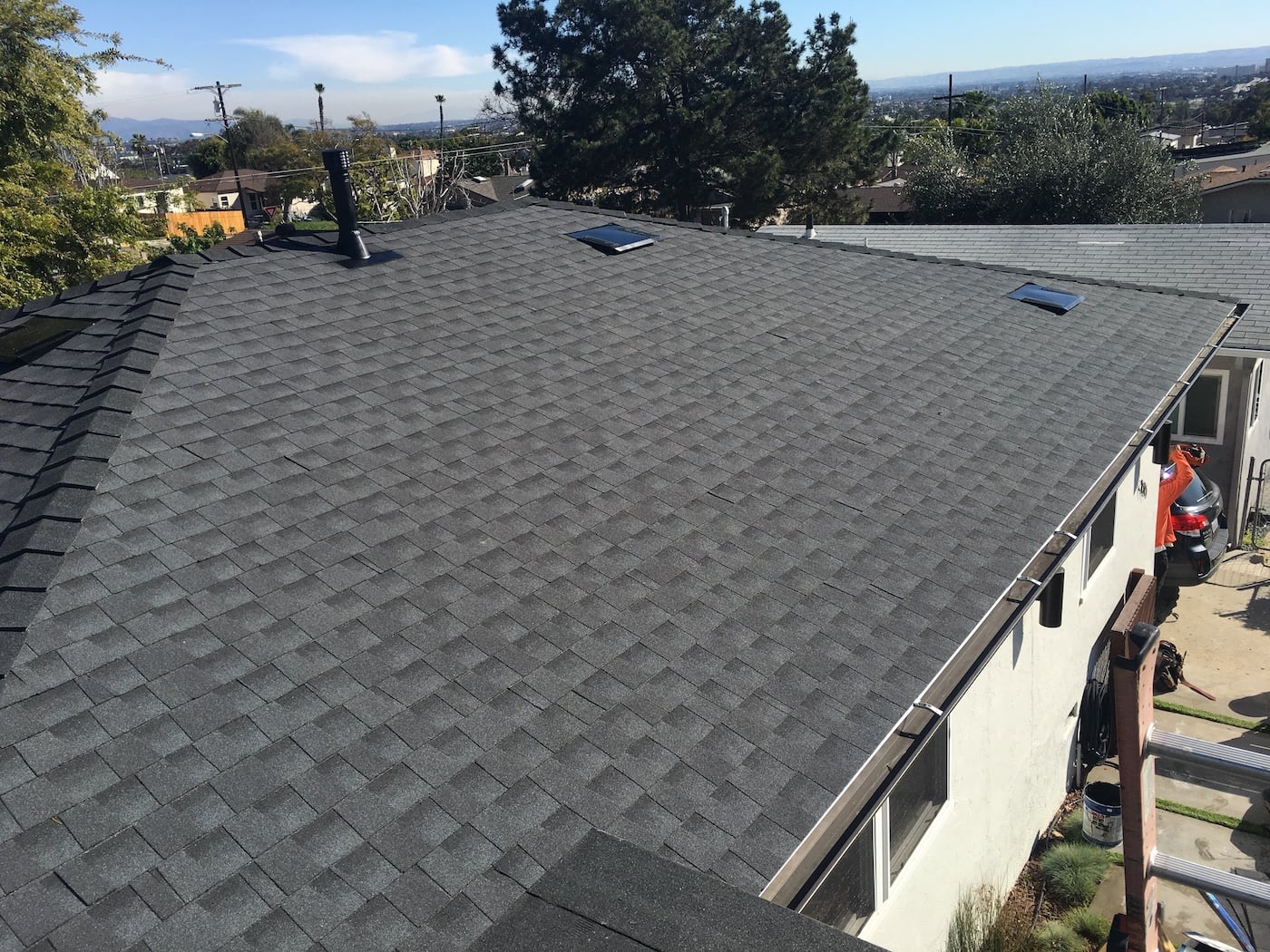
- Reseal flashing and roof penetrations: Inspect the seals around vents, skylights, chimneys, and walls where leaks often begin.
- Clean gutters and downspouts: Clear leaves and debris, and make sure downspouts direct water well away from your foundation.
- Clear flat roof drains and scuppers: Blocked drains can leave standing water that works its way through seams.
- Trim trees and secure outdoor items: Cut back overhanging branches and store anything that strong winds could throw onto your roof.
- Document your roof and make a plan: Take photos of your roof’s condition and keep a roofer’s contact information handy in case of an emergency leak.
Which Prep Tasks You Can Handle Yourself
Some El Niño prep work is safe and simple for homeowners, while other tasks are best left to a professional. This table shows where to draw the line.
| Task | DIY Friendly? | When to Call a Pro |
| Checking ceilings and attic for stains | Yes | If you find water marks, damp insulation, or daylight |
| Cleaning gutters on a single story home | Yes, with a stable ladder | For multistory homes or damaged gutters |
| Trimming small branches | Yes | For large limbs or trees near power lines |
| Replacing tiles or shingles | No | Always, since walking on a roof can cause more damage |
| Resealing flashing | No | Always, to make sure seals are done correctly |
| Evaluating underlayment | No | Always, since it requires a close inspection |
We’re proud to serve home and business owners in La Jolla, CA, and nearby communities with roof inspections, storm repairs, and more. Our team understands how ocean winds and coastal moisture wear on roofing materials, and we focus on the repairs that matter most before a big storm season.
Common FAQs About El Niño and Your Roof
This season has raised plenty of questions for homeowners. Here are answers to some of the most common ones.
Should I repair or replace my roof before El Niño?
It depends on your roof’s age and overall condition. If the damage is limited to a few cracked tiles, loose shingles, or worn flashing, targeted repairs are usually enough to get you through the season. If your roof is near the end of its lifespan, has widespread damage, or has leaked repeatedly, a replacement may be the smarter long term choice. A professional inspection is the best way to decide, since it shows what’s happening beneath the surface and helps you avoid paying for more work than you need.
What roof problems does El Niño cause most often?
The most common El Niño roof problems are leaks from worn underlayment, cracked or slipped tiles, lifted shingles, and failing flashing around vents and chimneys. Overflowing gutters are another major issue, since water spilling over the edge can rot fascia boards and soak the roof deck. Flat roofs often struggle with ponding water when drains can’t keep up. Most of these problems start small and get worse with each storm, which is why addressing them early is so important.
Is it safe to get on my roof to prepare for storms?
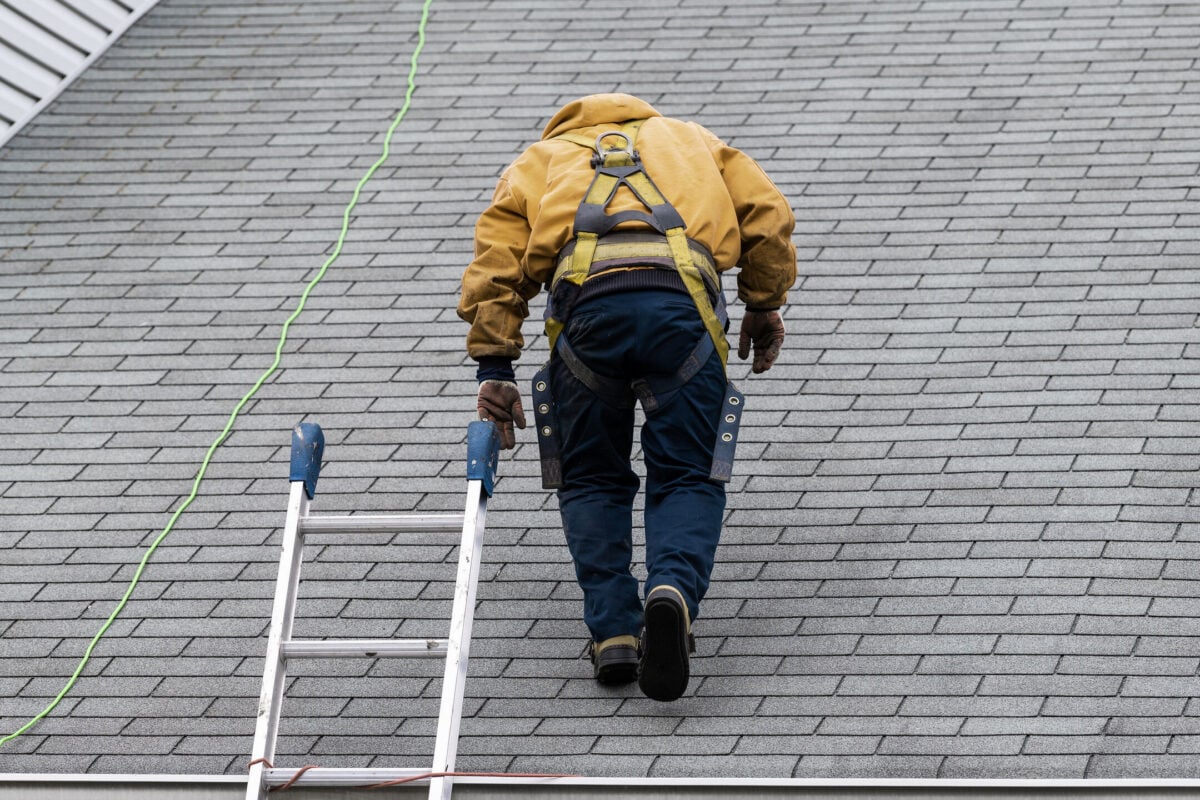
For most homeowners, it’s safest to stay off the roof entirely. Tile can crack under foot traffic, shingles can be slippery, and falls from even a single story roof can cause serious injuries. You can still do a lot from the ground, like checking for missing pieces with binoculars, cleaning gutters from a stable ladder on a one story home, and looking for stains inside your attic. Leave repairs and close inspections to a trained roofer with the right safety equipment.
How long will this El Niño season last?
Forecasters expect El Niño conditions to continue through the rainy season, with the strongest local impacts likely between December 2026 and February 2027. Storms may continue into early spring before the pattern gradually weakens. Because the timing of individual storms is hard to predict, it’s best to treat the entire season as a period of higher risk. Getting your roof ready early means you won’t have to scramble for repairs during a stretch of back to back storms.
What should I do after an El Niño storm?
Once the weather clears, walk around your home and look for missing tiles, shingle pieces, fallen branches, or sagging gutters. Check your ceilings and attic for new stains or damp spots, and take photos of anything you find. If you notice damage, contact a roofer quickly so repairs can be made before the next storm arrives. Even if everything looks fine, a follow up inspection after a major storm can catch hidden issues like lifted shingles or loosened flashing.
Get Your Roof El Niño Ready With Streamline Roofing
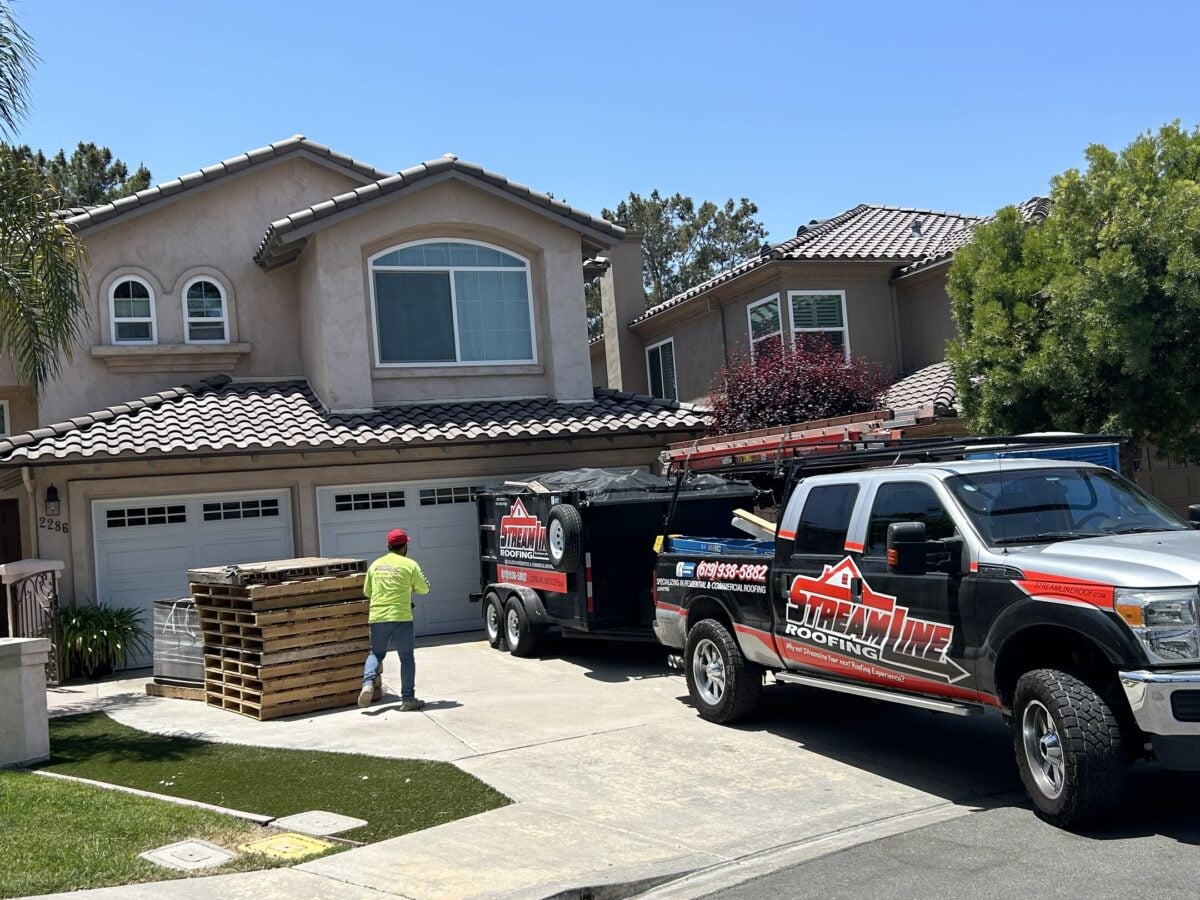
This El Niño season could bring some of the toughest conditions local roofs have faced in years. Streamline Roofing helps homeowners across San Diego County find weak spots, make smart repairs, and head into the rainy season with confidence. Every project begins with a free estimate from our owner, who has been roofing since 2001 and will explain exactly what he finds. You’ll receive a clear proposal the day after your inspection, and during the rainy season we keep emergency repair crews on call for urgent leaks. As Owens Corning certified installers with an A+ rating from the Better Business Bureau, we put quality first on every roof. Claim your spot on our inspection calendar and give your home the protection it needs this season.