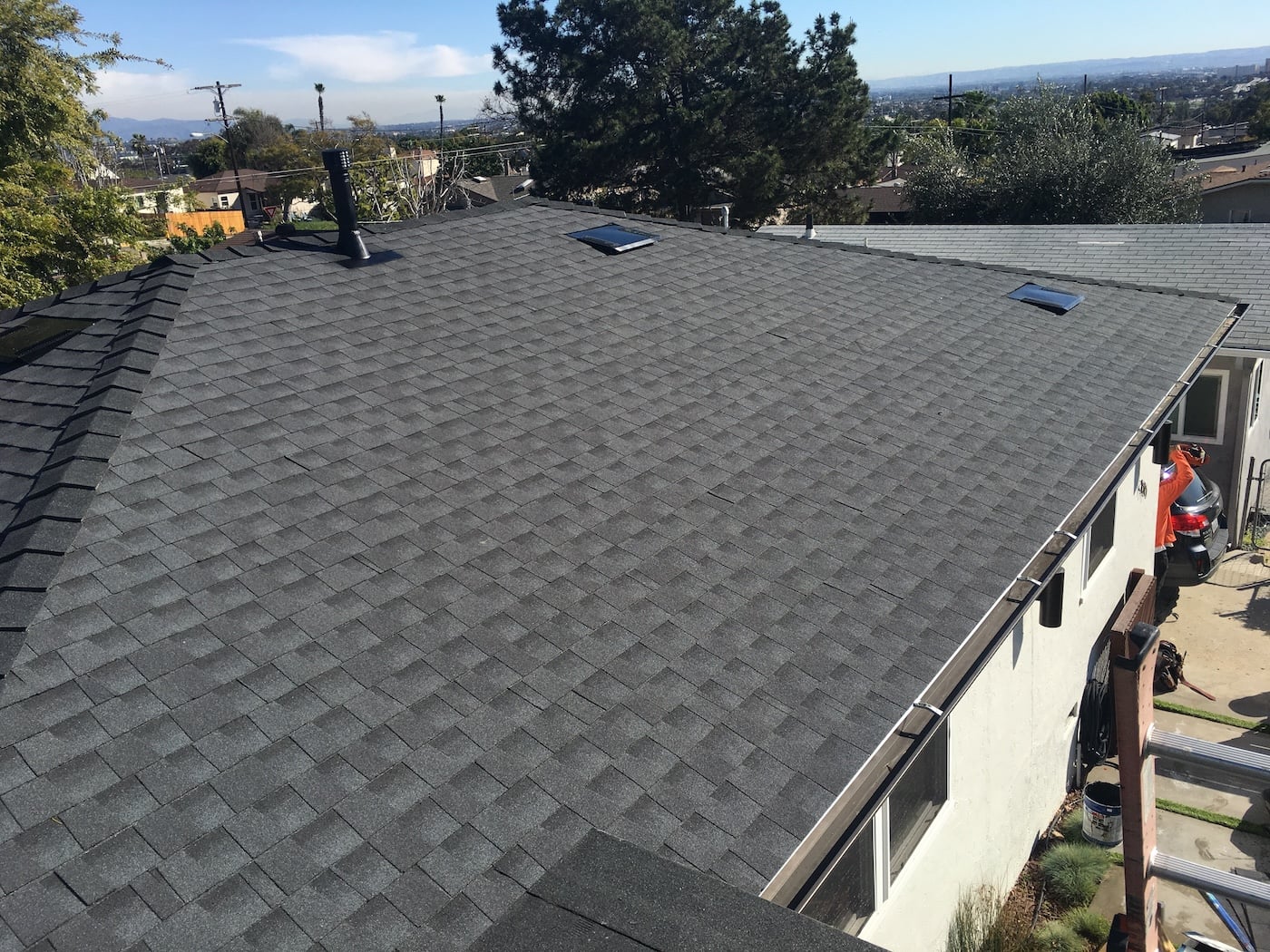
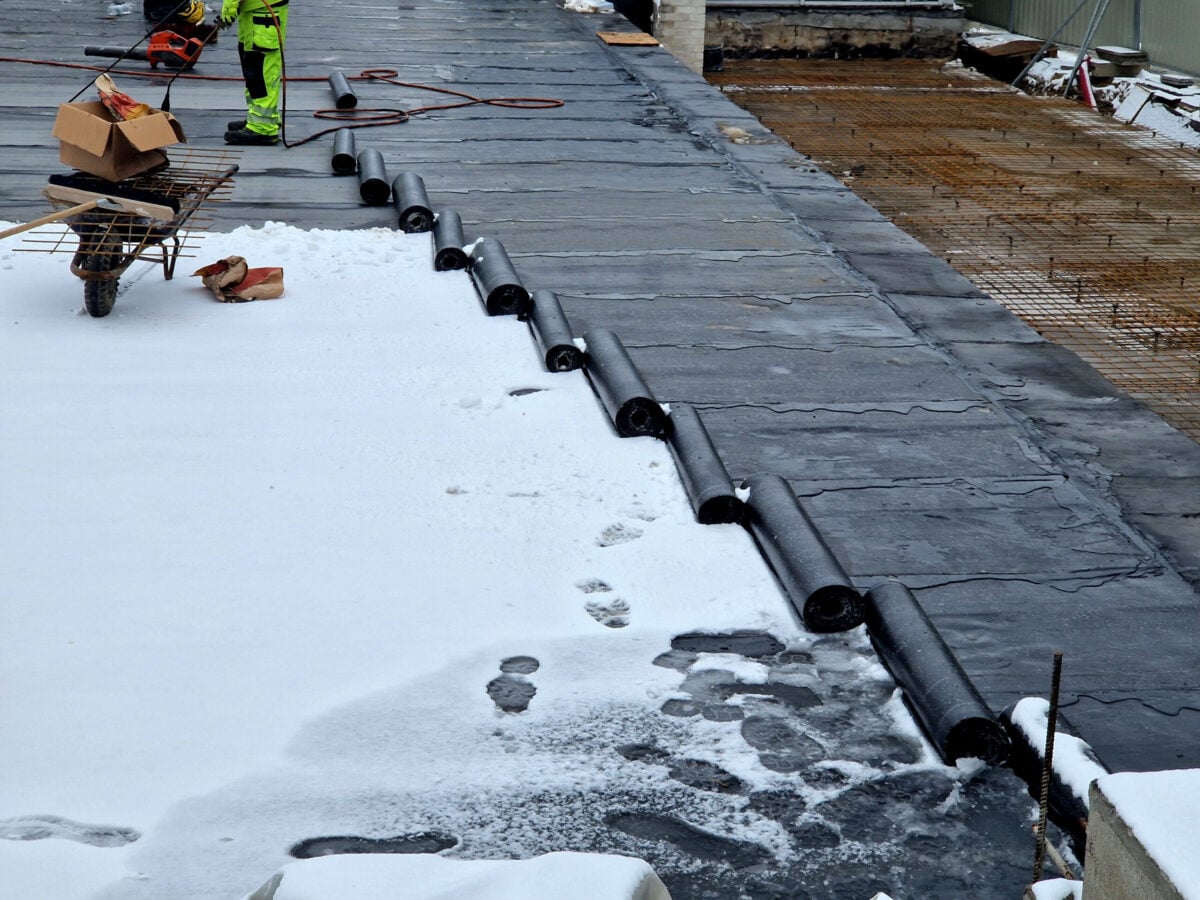
Commercial Roofing
3 Best Systems for Low Slope Roofing in Southern CA
Plenty of homes across San Diego County have sections that sit nearly flat, from mid century ranch houses to room additions, garages, and patio covers. Those areas can’t use the same materials as a steeper roof, so choosing the right system matters. Low slope roofing has to handle intense sun, slow drainage, and the occasional heavy downpour during the rainy season without letting water sneak through to the roof deck. In La Mesa, where summer heat can bake roofs for months, the material you pick affects both comfort and energy bills. The good news is that modern membranes have come a long way, and many of the same commercial roofing systems trusted on flat and low slope buildings can protect your home just as well.
Here’s what this guide covers:
- How low slope roofs differ: Why these roofs need specialized materials.
- Three proven systems: The top options for homes in Southern California.
- Side by side comparison: How each system stacks up on durability and heat.
- Choosing the right fit: The factors that should guide your decision.
- Common questions: Straight answers about low slope roof care and lifespan.
What Makes Low Slope Roofs Different
A low slope roof has a maximum pitch of 3:12, meaning it rises no more than 3 inches for every 12 inches of horizontal run. That gives it just enough pitch to move water toward drains, gutters, or scuppers, but not enough for water to shed quickly the way it does on a steep roof. That means the roof covering needs to form a continuous, watertight surface instead of relying on overlapping shingles or tiles. The flatter design has real advantages too, since low slope roofs can provide usable outdoor space and are easier to access for maintenance.
- Drainage: Water moves slowly on a gentle roof slope, so any low spot or clogged drain can leave standing water behind.
- Sun exposure: Flat surfaces face the sky all day and take the full force of UV rays and heat.
- Seams: The joints between sheets of material are the most common place for leaks to start.
- Foot traffic: Roofs that hold air conditioning units or solar panels need a surface that resists punctures.
Heat is a bigger factor than many homeowners expect. According to ENERGY STAR, a clean white roof that reflects 80% of sunlight stays about 50°F cooler on a summer afternoon than a gray roof that reflects only 20%. For a flat roof sitting in full sun, that difference can mean a cooler home and less wear on the roofing material itself.
3 Best Systems for Low Slope Roofing
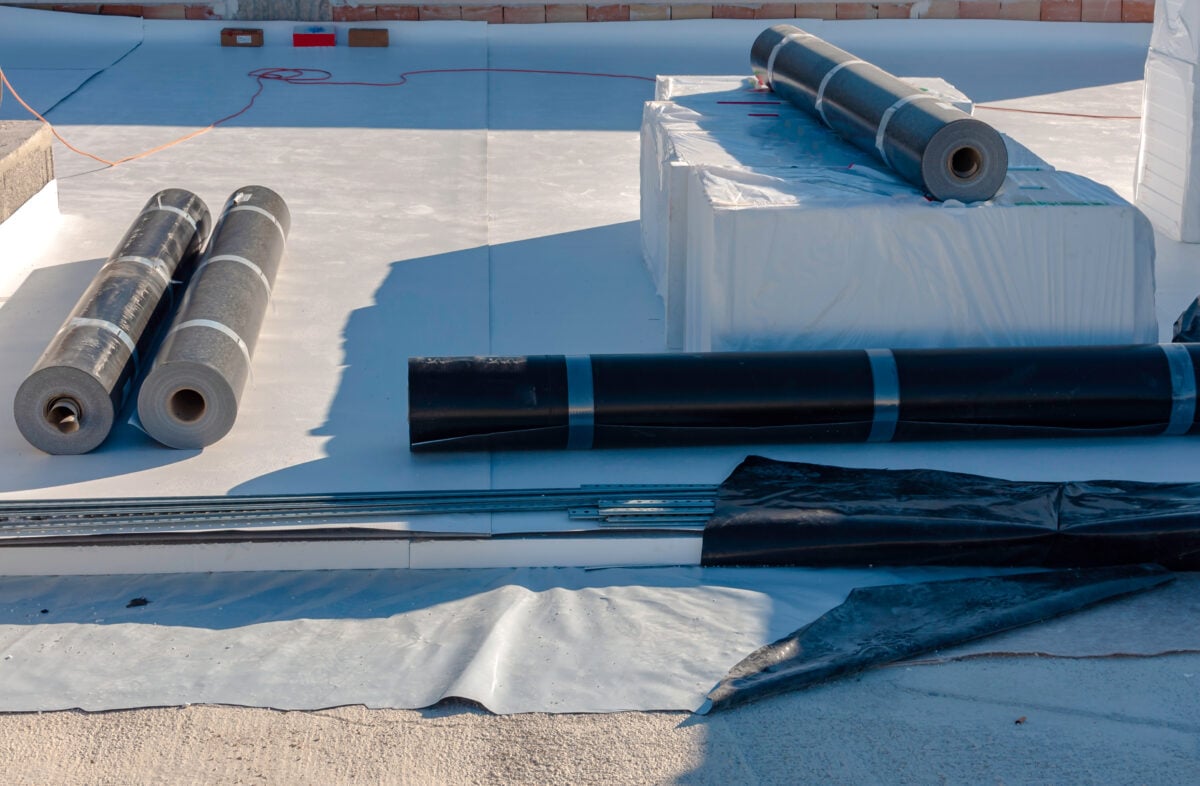
Each of the systems below is designed specifically for roofs with little or no pitch. You’ll often see them on a commercial roof, but they work just as well on homes. The right choice depends on your budget, how your roof is used, and how much sun it gets throughout the year.
1. TPO Roofing
TPO is a single ply membrane that rolls out in wide sheets, with seams welded together using hot air. It has become one of the most popular choices for low slope roofs because it balances cost, durability, and energy efficiency.
- Reflective surface: The bright white finish reflects sunlight and helps keep attic spaces cooler.
- Strong seams: Welded joints fuse into a single watertight surface instead of relying on adhesives alone.
- Budget friendly: TPO typically costs less than PVC while still offering reliable performance.
- Flexible installation: TPO can be mechanically attached or fully adhered to the roof using adhesives.
2. PVC Roofing
PVC, short for polyvinyl chloride, is also a single ply membrane with welded seams, but it has a longer track record and a formulation that holds up especially well against grease, chemicals, and constant sun. It is a premium option for homeowners who want maximum durability.
- Long service life: PVC has decades of proven performance on flat and low slope roofs.
- Chemical resistance: It stands up well to exhaust from kitchen vents, oils, and other contaminants.
- Fire resistance: PVC membranes resist burning and self extinguish once a flame source is removed.
3. Torch Down Modified Bitumen
Torch down modified bitumen roofing uses rolls of asphalt based material bonded to the roof with heat. These modified bitumen membranes are reinforced with fibers and offer a modern upgrade over traditional built up roofing, which relied on layers of hot tar and gravel. Modified bitumen roofs can be installed with or without heat, so crews can choose torch applied sheets or cold applied and self adhering options when an open flame isn’t ideal.
- Puncture resistance: Multiple layers make it tough enough to handle foot traffic and dropped tools.
- Proven performance: It has a long history on homes and commercial buildings throughout California.
- Reflective options: Mineral cap sheets and reflective roof coatings help reduce heat absorption.
Comparing Low Slope Roofing Systems
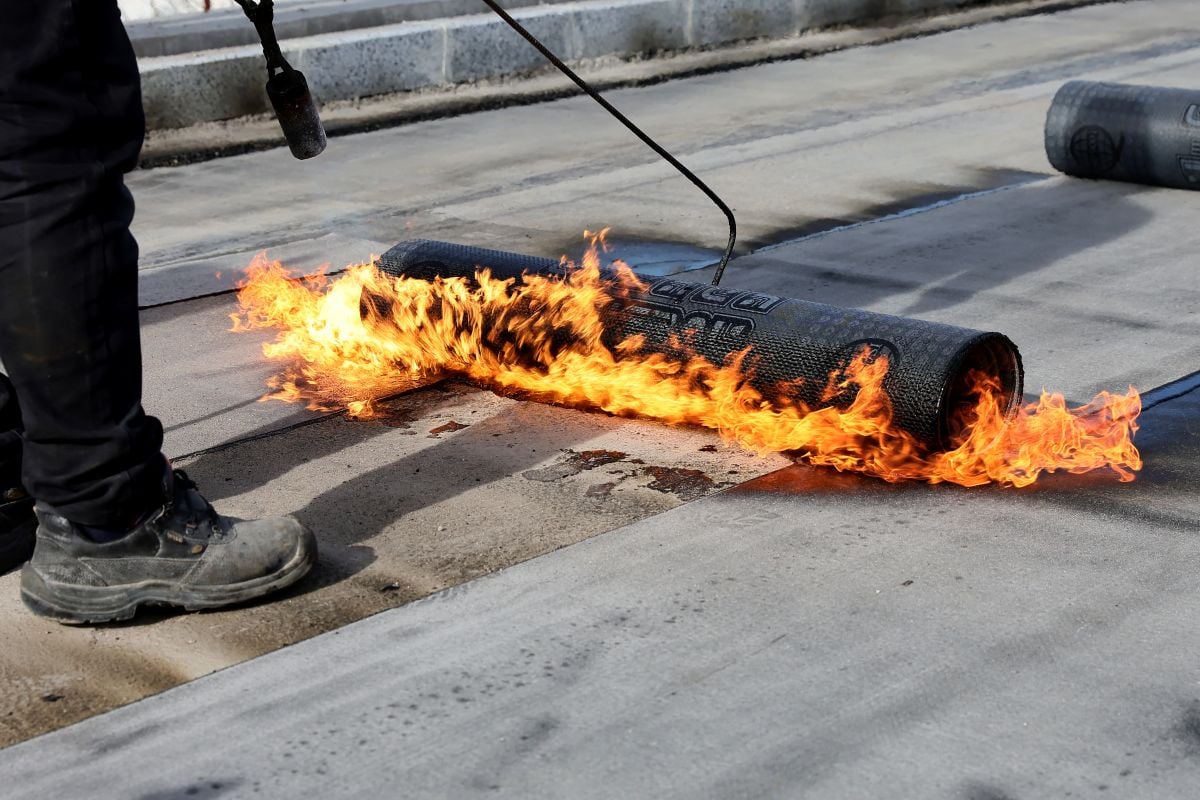
Seeing these systems side by side makes it easier to narrow down your options. TPO and PVC are single ply roofing systems, while torch down builds a thicker surface from layered sheets. Single ply membranes can be adhered, ballasted, or mechanically attached depending on the roof structure and wind exposure. Keep in mind that installation quality and regular maintenance affect lifespan as much as the material itself.
| System | Typical Lifespan | Heat Reflection | Seam Type | Best For |
| TPO | 20 to 30 years | High | Hot air welded | Homeowners who want value and energy efficiency |
| PVC | 25 to 30+ years | High | Hot air welded | Roofs near kitchen vents or with heavy sun exposure |
| Torch down modified bitumen | 15 to 20 years | Moderate with a reflective cap sheet or coating | Heat fused laps | Roofs with regular foot traffic or equipment |
How to Choose the Right System for Your Home
There’s no single best material for every roof. A few key questions can help you and your roofer decide which system makes the most sense.
- Sun exposure: Roofs in full sun benefit most from bright, reflective membranes like TPO or PVC.
- Roof use: Areas that hold equipment or see regular foot traffic may call for a tougher surface.
- Budget and lifespan: Compare the upfront cost with how many years you expect to stay in your home.
- Drainage condition: Existing low spots or poor drainage should be corrected before any new system goes on.
- Installer certification: Manufacturer certified crews can install systems that qualify for stronger warranties.
We’re proud to serve home and business owners in La Mesa, CA, and nearby communities with low slope roof replacements, repairs, and more. Our team knows how inland heat and long sunny stretches wear down flat roofs, and we recommend systems that are built to handle those conditions.
Common FAQs About Low Slope Roofs
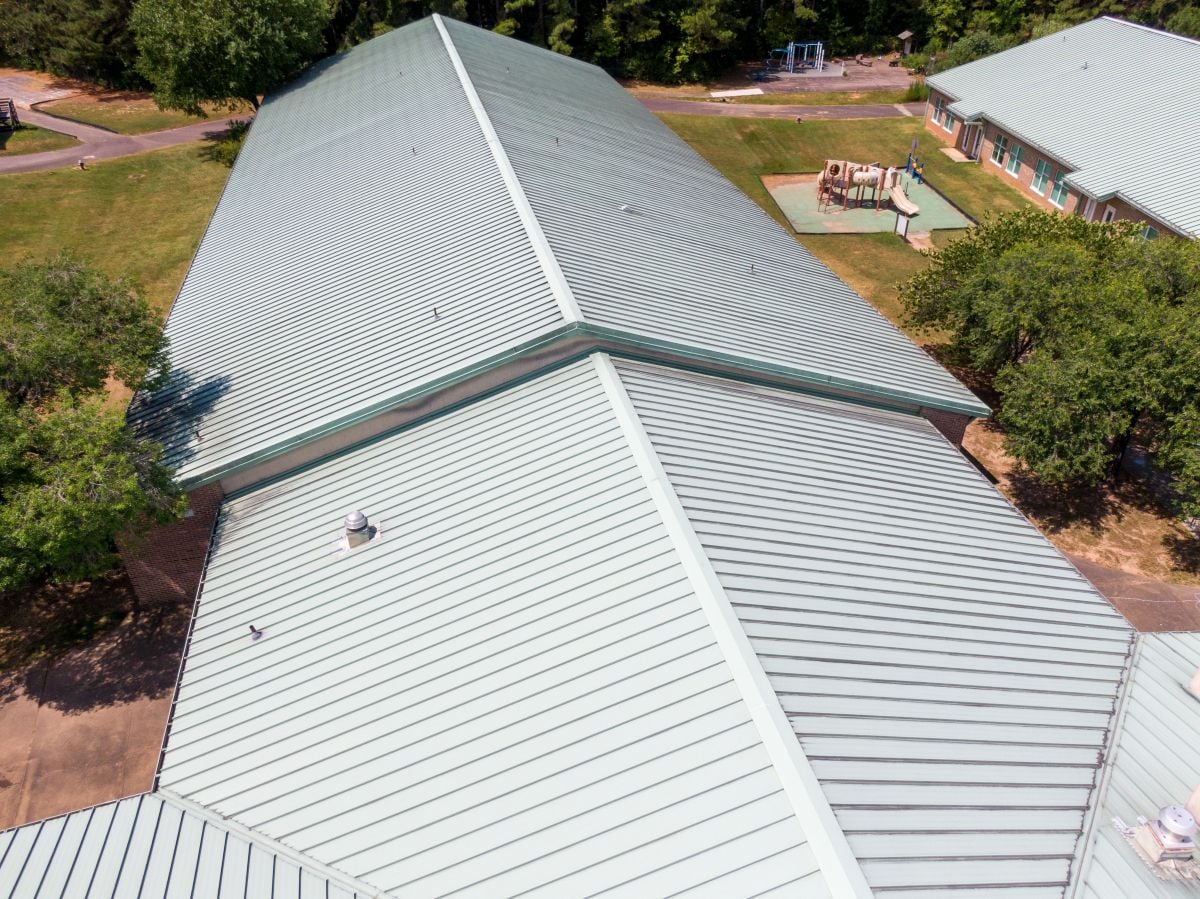
Homeowners with flat or nearly flat roofs often have similar questions about materials and upkeep. Here are answers to a few of the most common ones.
Is a low slope roof the same as a flat roof?
The terms are often used interchangeably, but there is a small difference. A truly flat roof would hold water, so nearly every roof people call flat actually has a slight pitch that guides water toward drains or gutters. Low slope is the more accurate term for these roofs. Whatever you call it, the key point is the same: roofs with very little pitch need continuous membrane systems like TPO, PVC, or modified bitumen instead of shingles or tile to stay watertight over time.
How long does a low slope roof last?
Most low slope roofing systems last between 15 and 30 years, depending on the material, the quality of installation, and how well the roof is maintained. Single ply membranes like TPO and PVC generally sit at the upper end of that range, while modified bitumen tends to fall in the middle. In Southern California, constant sun exposure is one of the biggest factors in aging. Regular inspections, clean drains, and prompt repairs to small punctures or seam issues can add years to any system.
Can you put shingles on a low slope roof?
Asphalt shingles are designed for roofs with enough pitch to shed water quickly, so they are usually not a good fit for low slope roofs. Most shingle manufacturers set a minimum pitch for installation, and roofs near that minimum require extra underlayment to reduce the risk of leaks. On roofs with less pitch, water moves too slowly and can work its way under the shingles during heavy rain. A membrane system is almost always the more reliable choice for these areas of your home.
How often should a low slope roof be inspected?
It’s a good idea to have a low slope roof inspected at least once a year, ideally in early fall before the rainy season begins. You should also schedule a check after any major storm or if you notice stains on your ceiling. During an inspection, a roofer will look at seams, flashing, drains, and any areas where water tends to collect. If your home has an older EPDM rubber roof, fairly frequent inspections are especially important to catch shrinkage before it pulls on seams and flashing. Catching small problems early is much less expensive than repairing water damage to the roof deck and interior of your home.
Get a Low Slope Roof That Lasts With Streamline Roofing
Choosing the right low slope system is easier when you have an experienced team guiding the process. Streamline Roofing is a GAF certified TPO installer and an IB certified PVC installer, and our crews also have extensive experience with torch down systems. Every project begins with a free estimate from our owner, who has been roofing since 2001 and will walk you through the options that fit your home. You’ll receive a clear proposal the day after your inspection, steady communication throughout the job, and a property left clean when we’re finished. With an A+ rating from the Better Business Bureau, we’re committed to quality over quantity on every roof we touch. Talk with our team about the right system for your roof and enjoy lasting protection from the Southern California sun.