Roofing
5 Roof Decking Types & Why It Matters for Your Home
Roof decking is one of the most important structural components of your roofing system, providing a solid foundation that supports all other roofing materials. Without strong roof sheathing and properly installed decking boards, your roof cannot effectively protect your home from weather and long-term damage. Understanding the different types of decking and why they matter helps homeowners make informed decisions when repairing or replacing a roof. Below are the key points this guide will cover:
- Decking types: Common materials used in residential roofing
- Structural role: Why decking is critical to roof performance
- Damage signs: How to identify issues early
- Replacement needs: When decking should be repaired or replaced
- Cost factors: What impacts overall investment
Why Roof Decking Is So Important
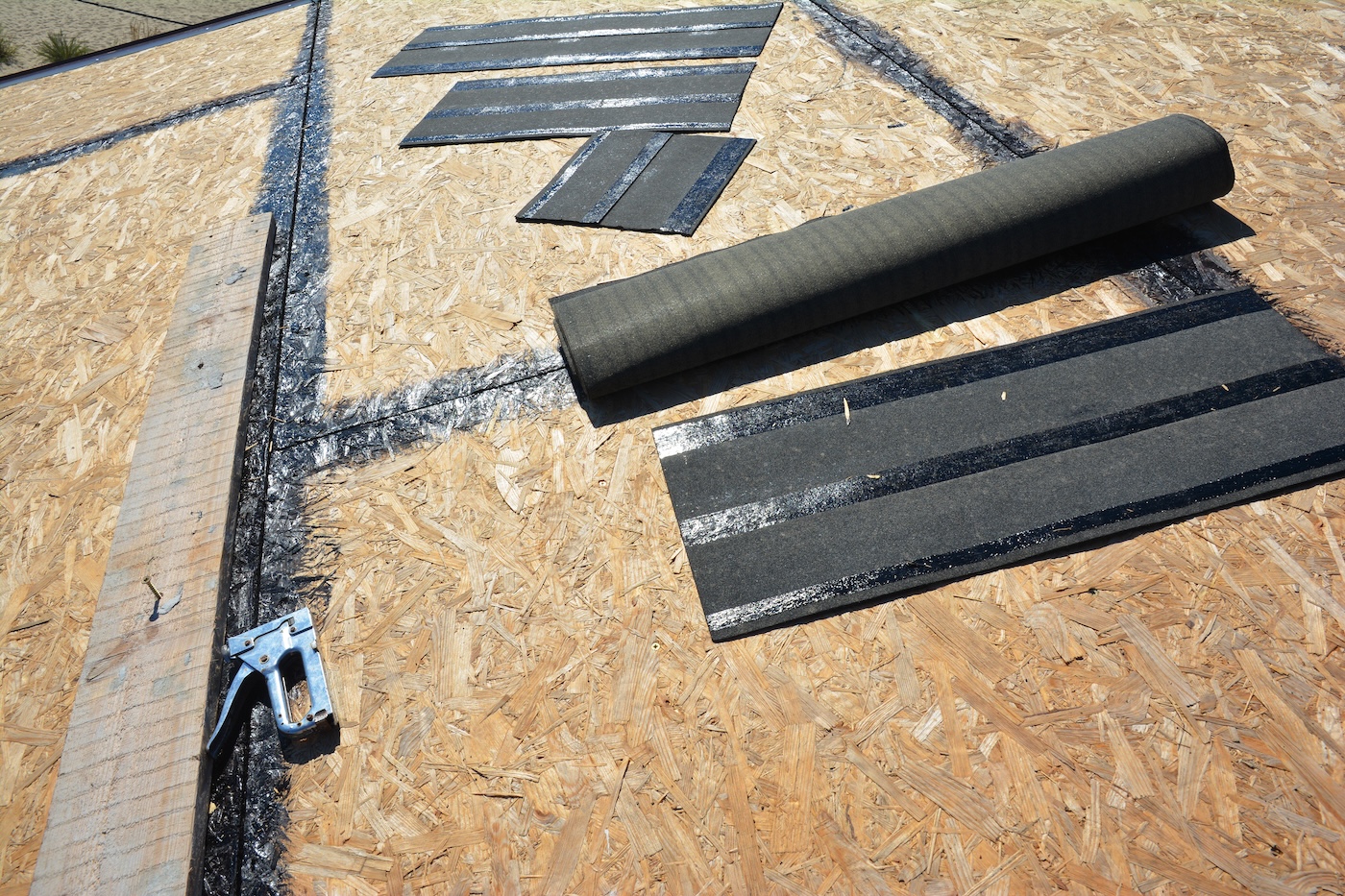
Roof decking serves as the base layer that supports shingles, tiles, or other roofing systems. It plays a major role in maintaining the structural integrity of your home and ensuring your roof performs properly under different weather conditions.
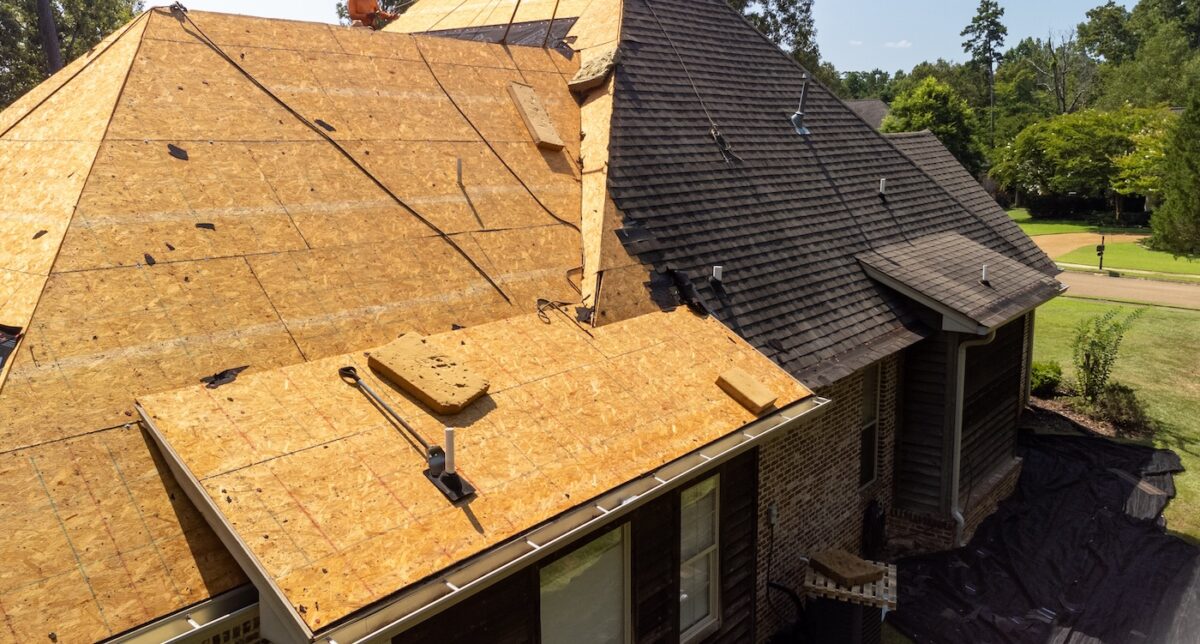
If decking becomes damaged or weakened, it can lead to sagging, leaks, and even structural failure. This is why proper installation and routine inspection are essential for long-term protection, especially for coastal homes relying on La Jolla roofing services.
Beyond structural support, decking boards help distribute weight evenly across the roof and down to the roof truss system. This is especially important in areas that experience heavy rain or strong winds, where uneven stress can lead to premature wear. A properly installed system ensures your roof remains stable and secure over time.
Common Signs of Roof Decking Damage
Decking problems are not always visible from the outside, but there are warning signs homeowners should watch for. Identifying these early can help prevent more extensive repairs.
Some of the most common indicators include:
- Sagging roof areas: Suggests weakened or rotting decking boards
- Water stains: Indicates moisture has reached the roof sheathing
- Soft spots: Decking may feel spongy under pressure
- Mold or mildew: Signals trapped moisture within the structure
- Frequent leaks: Points to underlying structural issues
In many cases, these issues are first discovered during an attic inspection, where moisture, insulation damage, and wood deterioration become more visible. Catching these signs early can prevent the need for a full roof replacement.
5 Types of Roof Decking You Should Know
Understanding the different types of roof decking helps homeowners choose the right option for their property. Each type offers unique benefits depending on budget, climate, and roofing system.
- Plywood decking: A common and cost-effective option with solid durability.
- OSB decking: Oriented Strand Board is an engineered wood made from compressed strands that is commonly used in modern roofing.
- Plank decking: Traditional wood planks often found in older homes.
- Metal decking: Used in commercial or modern designs for added strength.
- Concrete decking: Extremely durable and often used in flat or industrial roofing systems.
Each type varies in performance and cost, so choosing the right one depends on your specific roofing needs and long-term goals.
Comparing Roof Decking Materials
Choosing the right decking depends on durability, cost, and application. This comparison helps highlight key differences between common options.
| Decking Type | Durability | Cost | Best Use |
| Plywood | High | Moderate | Residential roofs |
| OSB | Moderate to high | Lower | Budget-friendly projects |
| Plank | Moderate | Varies | Older homes |
| Metal | Very high | Higher | Commercial or modern builds |
| Concrete | Extremely high | High | Flat or industrial roofs |
While OSB is widely used, it is important to note that OSB swells when exposed to moisture and does not return to its original shape. This makes proper ventilation and moisture control critical when using this material.
What Causes Roof Decking Damage
Several factors can contribute to decking deterioration over time. Understanding these causes helps homeowners take preventative action.
The most common causes include:
- Water intrusion: Leaks that reach the roof sheathing
- Poor ventilation: Trapped moisture that affects insulation and wood structure
- Aging materials: Natural wear over time
- Improper installation: Weak spots due to poor workmanship
- Heavy weather exposure: Rain, wind, and temperature changes
In many cases, damage occurs gradually and goes unnoticed until it becomes severe. This is why regular inspections and maintenance are critical for preserving the integrity of your roof.
Roof Decking Replacement vs Repair
Not all decking issues require full replacement, but some situations demand more extensive work. Knowing the difference helps homeowners make cost-effective decisions.
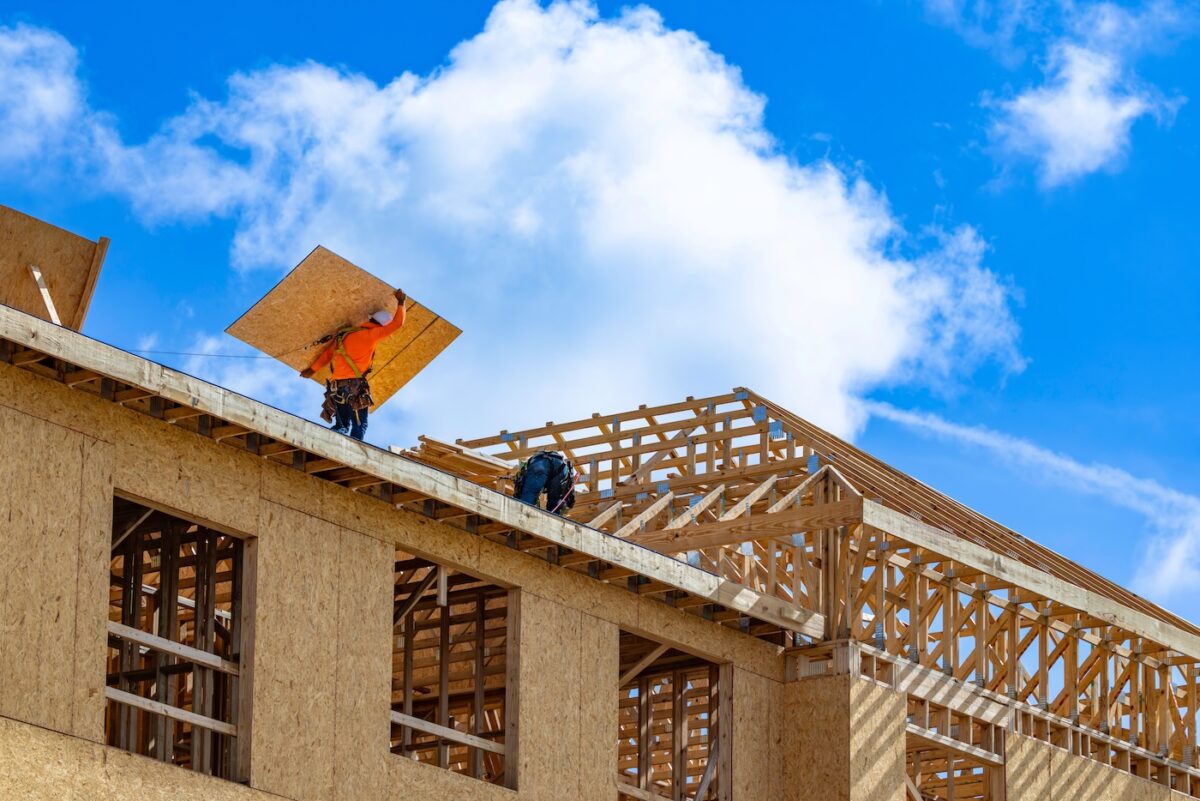
According to the Insurance Institute for Business & Home Safety, a sealed roof deck can reduce water entry into a home by as much as 95% compared to a bare, unsealed roof deck — a finding that underscores just how dramatically the condition and quality of roof decking affects a home’s ability to withstand weather events and prevent interior water damage.
A professional inspection is the best way to determine the extent of the damage. Contractors can assess whether repairs will be sufficient or if replacing the entire decking system is the safer option, a decision best made with a trusted San Diego roofing contractor.
Cost Factors for Roof Decking
The cost of roof decking depends on several variables, including material type, labor, and project size. Understanding these factors helps homeowners plan their budget more effectively.
Key cost influences include:
- Material type: Plywood and OSB are more affordable than metal or concrete
- Roof size: Larger areas require more materials and labor
- Labor costs: Vary based on complexity and contractor experience
- Extent of damage: More damage increases repair or replacement costs
Additional costs may include removing old roofing layers and replacing damaged insulation. Planning for these expenses helps avoid unexpected surprises during the project.
How to Maintain Your Roof Decking
Proper maintenance helps extend the lifespan of your roof decking and prevents costly repairs. Routine care ensures your roofing system continues to perform as expected.
Schedule Regular Inspections
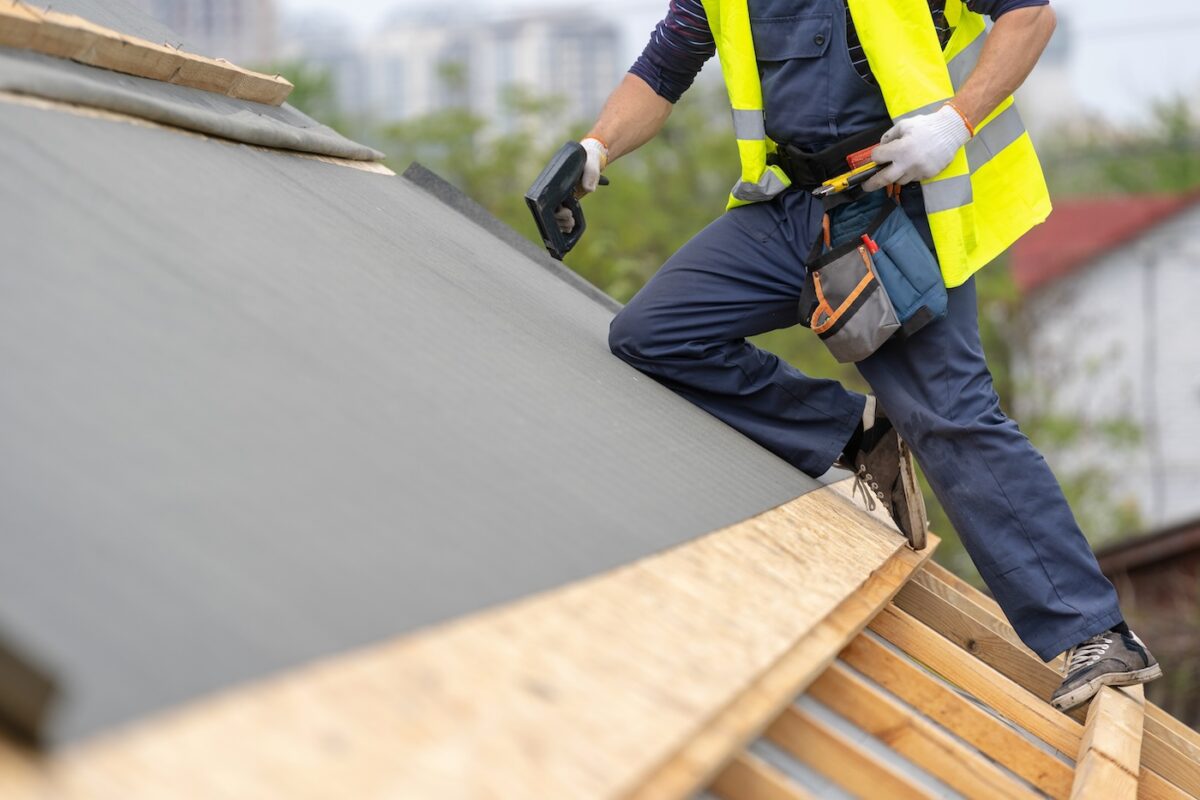
Roof decking should be inspected at least twice a year to catch early signs of damage. Regular checks help prevent moisture issues and structural problems.
Ensure Proper Ventilation
Good airflow prevents moisture buildup, which is one of the leading causes of decking damage. Ventilation also helps protect insulation and improve energy efficiency.
Address Leaks Immediately
Fixing leaks quickly prevents water from reaching the decking layer. Prompt repairs help avoid structural issues and costly replacements.
Keep Gutters Clear
Clean gutters help direct water away from the roof, reducing the risk of moisture buildup that can damage decking over time.
We’re proud to serve homeowners in El Cajon, CA, and nearby communities with roof decking inspections and repair services. Local weather conditions can impact roofing systems over time, making regular maintenance especially important.
Protect Your Home With Streamline Roofing
Roof decking is a critical part of your roofing system that directly impacts durability and safety. Streamline Roofing provides expert inspections, repairs, and full replacement services to ensure your roof remains strong and reliable. Whether you’re dealing with damaged decking boards or planning a full upgrade, our team is here to help homeowners looking for a reliable Alpine roofing contractor. Contact Streamline Roofing today to schedule your inspection and protect your home for the long term.