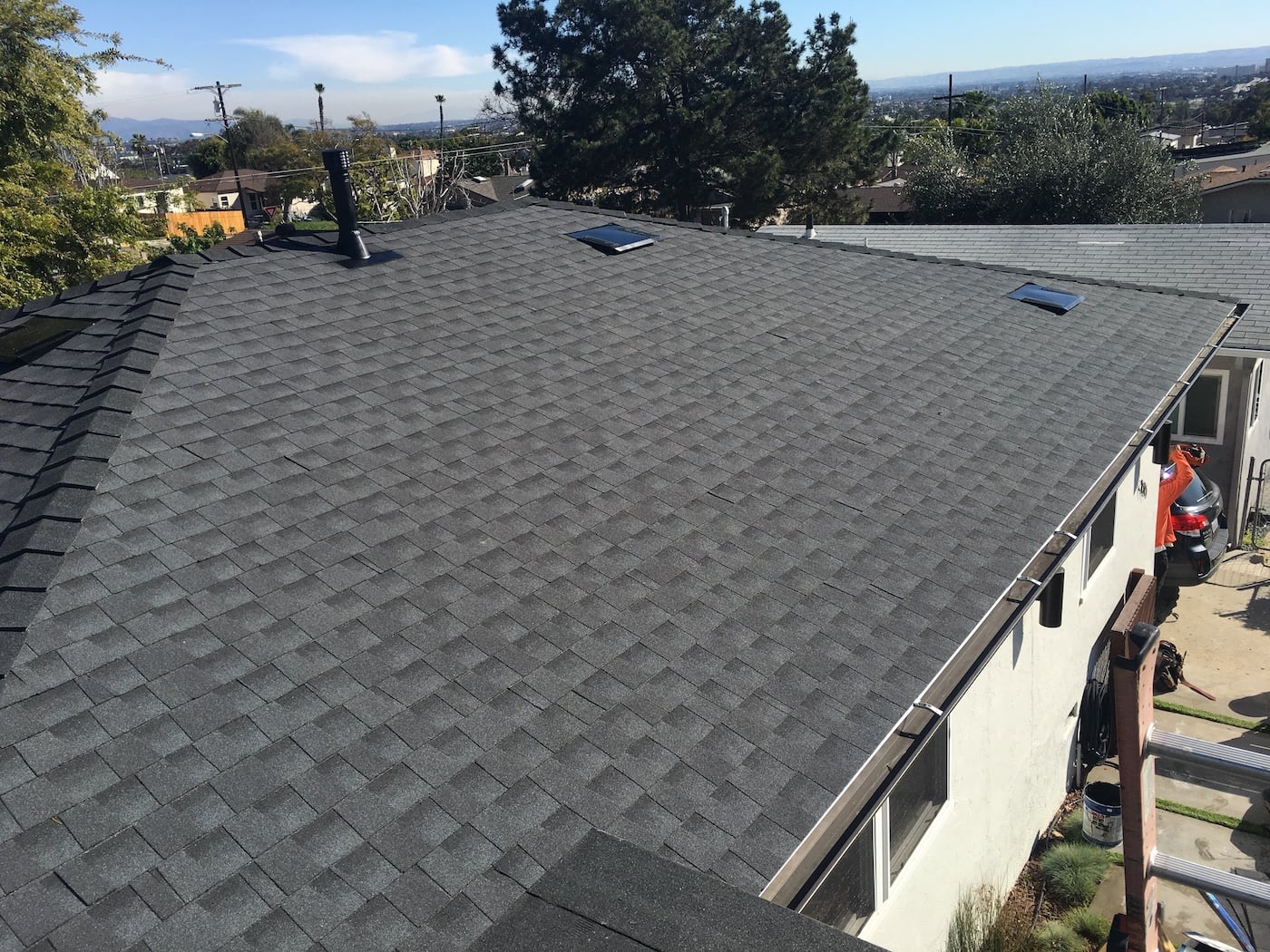

Flat Roofing
Roof Drains: 7 Ways to Prevent Ponding Water on Flat Roofs
Flat roofs work hard during the rainy season, and the way they shed water makes all the difference between a dry building and a slow, hidden leak. Roof drains are the main exit point for rainwater in the roof drainage system on most flat and low slope roofs, and when they clog or sit too high, water has nowhere to go. That standing water adds weight, breaks down roofing materials, and eventually finds its way through seams and flashing. Property owners in Lakeside know that a single heavy storm can reveal drainage problems that went unnoticed all summer. With a strong El Niño season underway, now is the right time to make sure water is moving off your roof the way it should. Working with a team that provides commercial flat roof services can help you find and fix drainage issues before they turn into leaks.
Here’s what this guide covers:
- What ponding water is: How to tell normal puddles from a real drainage problem.
- Why it matters: The damage standing water can cause over time.
- Seven prevention tips: Practical ways to keep water flowing off your roof.
- Drainage options compared: How drains, scuppers, and gutters stack up.
- Common questions: Straight answers about roof drains and ponding.
What Is Ponding Water on a Flat Roof?
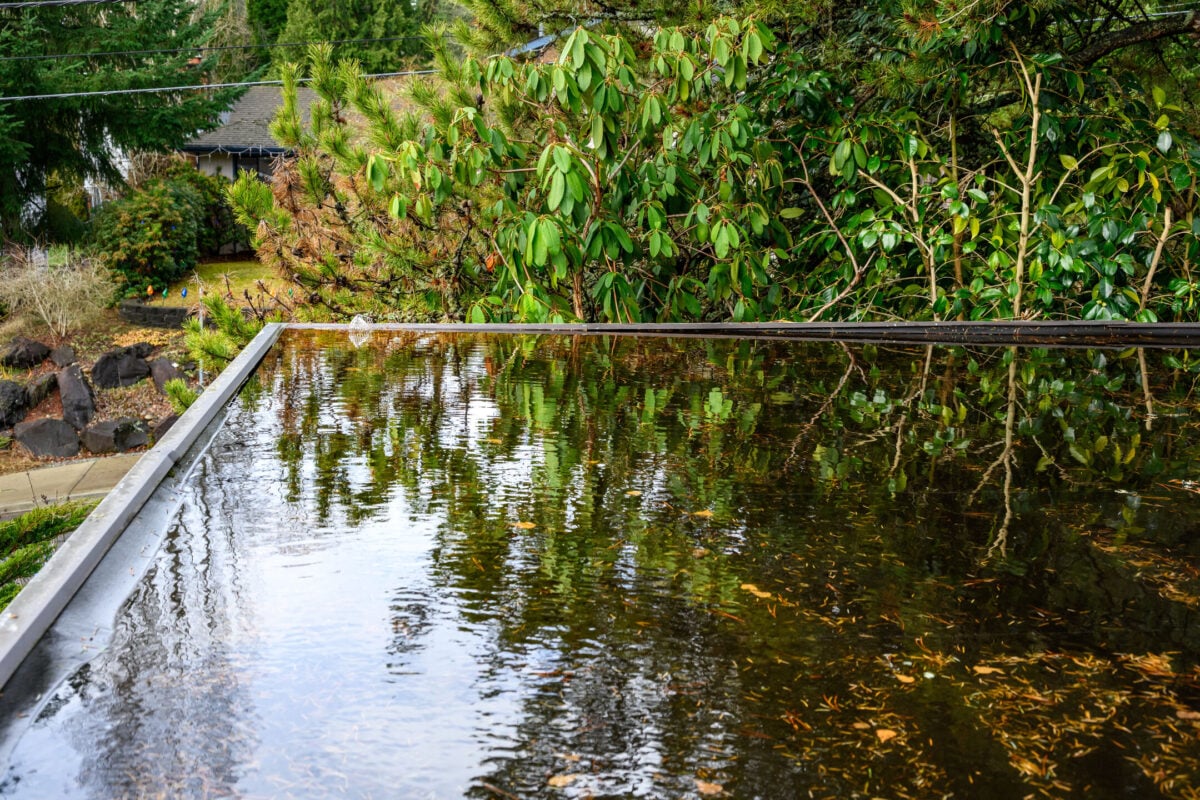
Ponding water is standing water that stays on the roof surface of a flat or low slope roof long after the rain has stopped. A few puddles right after a storm are normal, since even well designed flat roofs take some time to drain completely.
The key is how long the water stays. According to Professional Roofing, the magazine of the National Roofing Contractors Association, NRCA and most membrane manufacturers consider drainage adequate if water drains or evaporates within 48 hours after rainfall during drying conditions. Water that lingers longer than that usually points to a drainage or slope problem that needs attention.
Why Ponding Water Is a Problem
Standing water may seem harmless, but it puts steady stress on a flat roof every day it sits there.
- Added weight: Water is heavy, and large ponds can strain the roof deck and framing below.
- Faster wear: Constant moisture and sun exposure break down the roofing membrane, coatings, and seams more quickly.
- Leak risk: Small punctures or weak seams under standing water become active leaks.
- Debris and growth: Ponds collect dirt and organic debris that can encourage algae and plant growth.
- Warranty issues: Many roofing warranties exclude damage caused by long term ponding.
7 Ways to Prevent Ponding Water on Flat Roofs
Most ponding problems come down to drainage that is blocked, undersized, or in the wrong place. Proper drainage depends on every part of the drainage system working together. These steps can help keep water moving off your roof.
- Clean roof drains and scuppers regularly: Leaves, dirt, and debris can block drains quickly, so clear them before the rainy season and after major storms.
- Install drain strainers: Strainers and guards keep debris out of drain pipes while still letting water flow through.
- Add or relocate drainage points: Extra drains, scuppers, or overflow outlets can help roofs with too few exits or drains placed above the lowest areas.
- Correct low spots with tapered insulation: Tapered insulation and crickets create gentle slopes that guide water toward drains instead of letting it collect.
- Repair deck damage and sagging areas: Compressed insulation or a sagging roof deck can create dips that hold water, so these areas should be repaired and leveled.
- Keep equipment from blocking drainage paths: Air conditioning units, solar racks, and other rooftop equipment should be placed and supported so water can flow freely around them.
- Schedule routine inspections: A roofer can check drains, slopes, and seams at least twice a year and after heavy storms to catch problems early.
Comparing Flat Roof Drainage Options
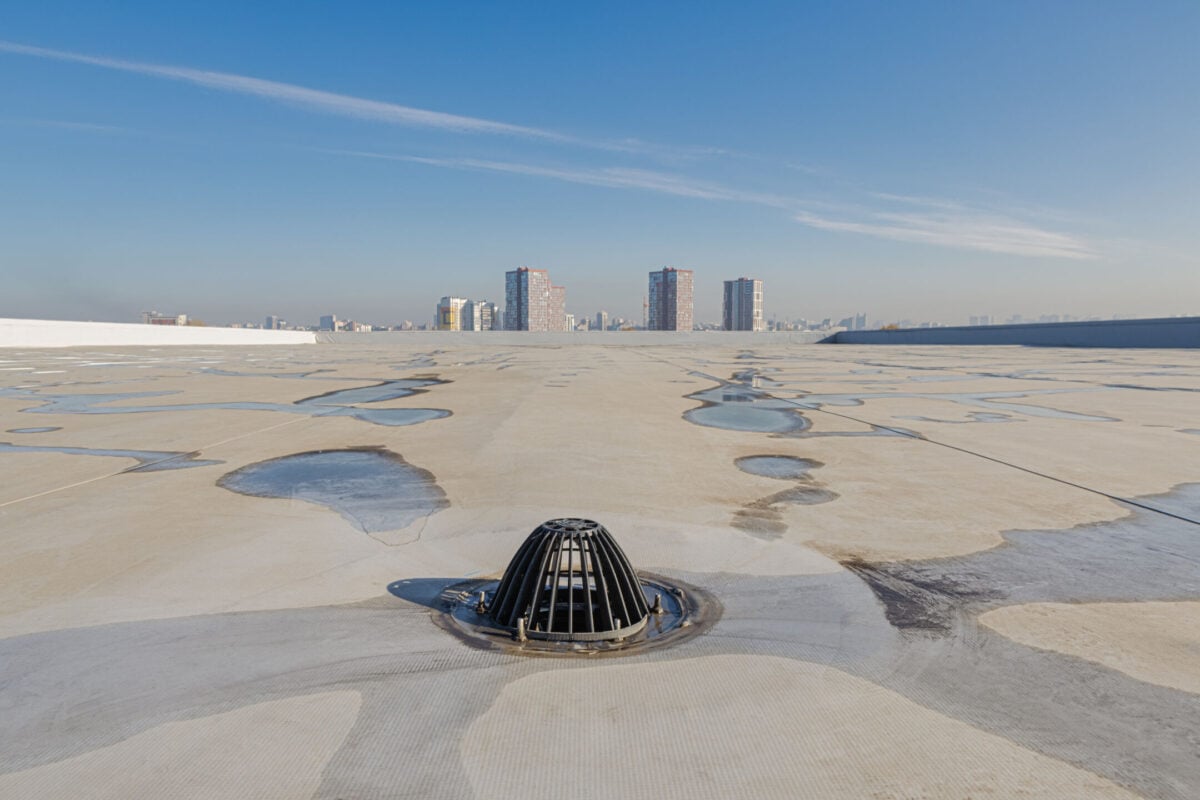
Different buildings use different drainage methods, and many flat roofs combine more than one. On a commercial roof, commercial roof drains are often tied directly into the building’s drainage system. This comparison shows how the most common options work.
| Drainage Type | How It Works | Best For | Common Problems |
| Interior roof drains | Water flows into drains on the roof and through pipes inside the building | Larger flat roofs and commercial buildings | Clogged strainers and pipes |
| Scuppers | Openings in the roof edge or parapet wall let water flow off the side | Roofs with parapet walls | Debris buildup and rust at the opening |
| Gutters and downspouts | Water runs off the roof edge into gutters and down to the ground | Smaller flat roofs and homes | Overflow from leaves and debris |
| Overflow drains or scuppers | Secondary outlets carry water off the roof if primary drains back up | Roofs with parapet walls or interior drains | Often forgotten during maintenance |
Signs Your Roof Drains Aren’t Working
Drainage problems often show up before a leak does. Watch for these warning signs after rain.
- Water still standing after two days: This is the clearest sign of a drainage or slope problem.
- Dirt rings or stains on the roof: These marks show where water has been collecting and evaporating.
- Slow draining after storms: Water that takes much longer than usual to clear may mean a partial clog.
- Interior ceiling stains: Stains below the roof can point to water working through the membrane.
- Plant growth or algae: Vegetation on a flat roof usually means water is sitting in the same spot repeatedly.
We’re proud to serve home and business owners in Lakeside, CA, and nearby communities with flat roof repairs, roof replacements, and more. Our team understands how dusty dry seasons can fill drains with debris before the rain arrives, and we pay close attention to drainage on every flat roof we inspect.
Common FAQs About Roof Drains and Ponding Water
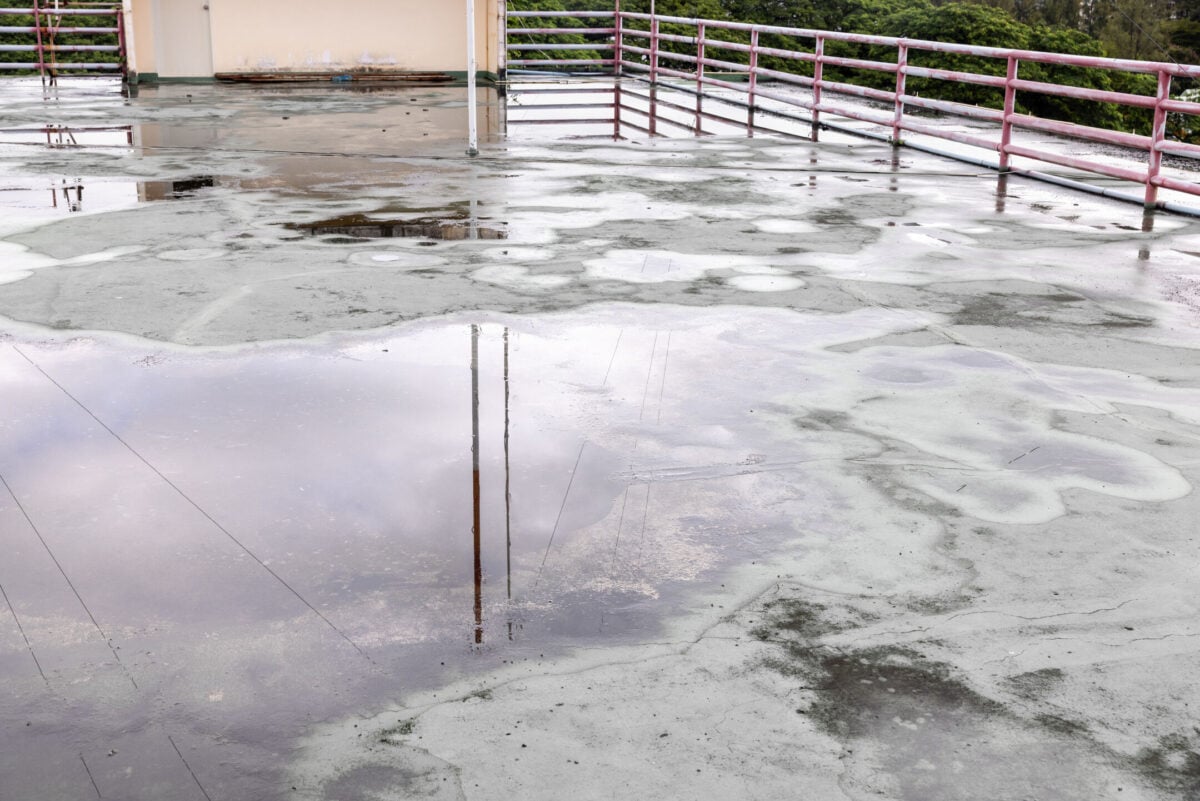
Flat roof owners often have similar questions about drainage. Here are answers to some of the most common ones.
How long can water sit on a flat roof?
Some standing water right after a storm is normal, but it should not stay for long. Industry guidance generally considers drainage adequate if water drains or evaporates within 48 hours after rainfall in drying conditions. If you still see standing water after that point, your roof likely has a drainage issue such as a clogged drain, a low spot, or a sagging deck. Taking photos and noting where the water collects can help a roofer pinpoint the cause and recommend the right fix.
How often should roof drains be cleaned?
Roof drains should be cleaned at least twice a year, ideally before the rainy season begins and again in spring. Roofs near trees or in dusty areas may need more frequent cleaning, since leaves and dirt can build up quickly. It is also smart to check drains after any major storm or windy stretch, when debris is most likely to collect. Regular cleaning is one of the simplest and least expensive ways to prevent ponding water and the damage it can cause.
Can ponding water cause a roof leak?
Yes, ponding water is one of the most common causes of flat roof leaks. When water sits in the same spot for days at a time, it keeps steady pressure on seams, flashing, and any small punctures in the membrane. Even a tiny opening can let water seep into the insulation and roof deck below. Over time, that moisture can lead to rot, mold, and interior damage. Fixing drainage problems early helps protect the roof membrane and the building underneath it.
What is the difference between a roof drain and a scupper?
A roof drain sits on the surface of the roof and carries water down through pipes inside the building. A scupper is an opening in the roof edge or a parapet wall that lets water flow off the side of the building, often into a downspout. Interior drains are common on larger flat roofs, while scuppers are often used on roofs with raised edges. Many roofs use both, along with overflow scuppers or drains that act as backup if the main drains become blocked.
Can ponding water be fixed without replacing the roof?
In many cases, yes. Clearing clogged drains, adding new drains or scuppers, and installing tapered insulation in low areas can often solve ponding problems without a full replacement. Small sagging areas in the roof deck may also be repairable. However, if ponding has already caused widespread membrane damage, saturated insulation, or deck rot, a standard complete roof replacement may be the better long term solution. A professional inspection will show how far the damage has spread and which option makes the most sense.
Keep Water Moving With Streamline Roofing
Good drainage is the foundation of a long lasting flat roof, and small problems are much easier to fix before the heavy rain arrives. Streamline Roofing works on TPO, PVC, and torch down flat roof systems and pays close attention to drains, scuppers, and slope on every project. We’re a GAF certified TPO installer and an IB certified PVC installer with an A+ rating from the Better Business Bureau. Every project begins with a free estimate from our owner, who has been roofing since 2001, followed by a clear proposal the next day. During the rainy season, we also keep emergency repair crews on call. Ask our team to check your roof drains and keep your flat roof dry all season long.