Roofing
4 Things Homeowners Get Wrong About Roof Fascia Board
Most people never give the trim along their roofline a second thought until paint starts peeling or a gutter pulls loose. The roof fascia board runs along the lower edge of your roof, holds your gutters in place, and helps seal the gap where the roof meets the walls. When it fails, water, pests, and rot can find their way into places that are expensive to fix. Homes in Del Mar face extra wear from salty ocean air and morning moisture, which can break down paint and wood faster than many homeowners expect. Knowing the common misconceptions helps you catch damage early and schedule repairs along the roof edge before small problems spread.
Here’s what this guide covers:
- What fascia does: The important jobs this board handles for your home.
- Four common mistakes: Misconceptions that lead to costly damage.
- Material comparison: How wood, aluminum, and PVC fascia stack up.
- Warning signs: Clues that your fascia needs attention.
- Common questions: Straight answers about fascia care and repair.
What a Roof Fascia Board Actually Does
Fascia is the long, flat board mounted to the ends of the roof rafters along the edge of your roof. It may look like simple fascia trim, but the fascia serves several important roles in keeping your home protected.
- Gutter support: Gutters are fastened directly to the fascia, so it carries the weight of the water flowing through your gutter system.
- Roof edge protection: Fascia closes off the rafter ends and works with the drip edge to keep water away from the roof deck.
- Pest barrier: A solid fascia keeps birds, rodents, and insects from nesting in your attic.
- Finished appearance: It gives the roofline a clean, uniform look that adds to curb appeal.
4 Things Homeowners Get Wrong About Fascia
Fascia problems usually start small and grow quietly. These are the misconceptions that most often lead homeowners to miss damage until repairs become more involved.
1. Fascia Is Just Decorative Trim
Because fascia sits at eye level from the street, many people assume it exists only for looks. In reality, it is a working part of your roof edge that supports gutters and blocks water.
- Structural role: Weak fascia can no longer hold gutter hangers securely or shield the roof structure behind it.
- Water control: Gaps in the fascia let rain reach rafter tails and the roof deck.
- Hidden damage: Problems behind the board often go unnoticed for years.
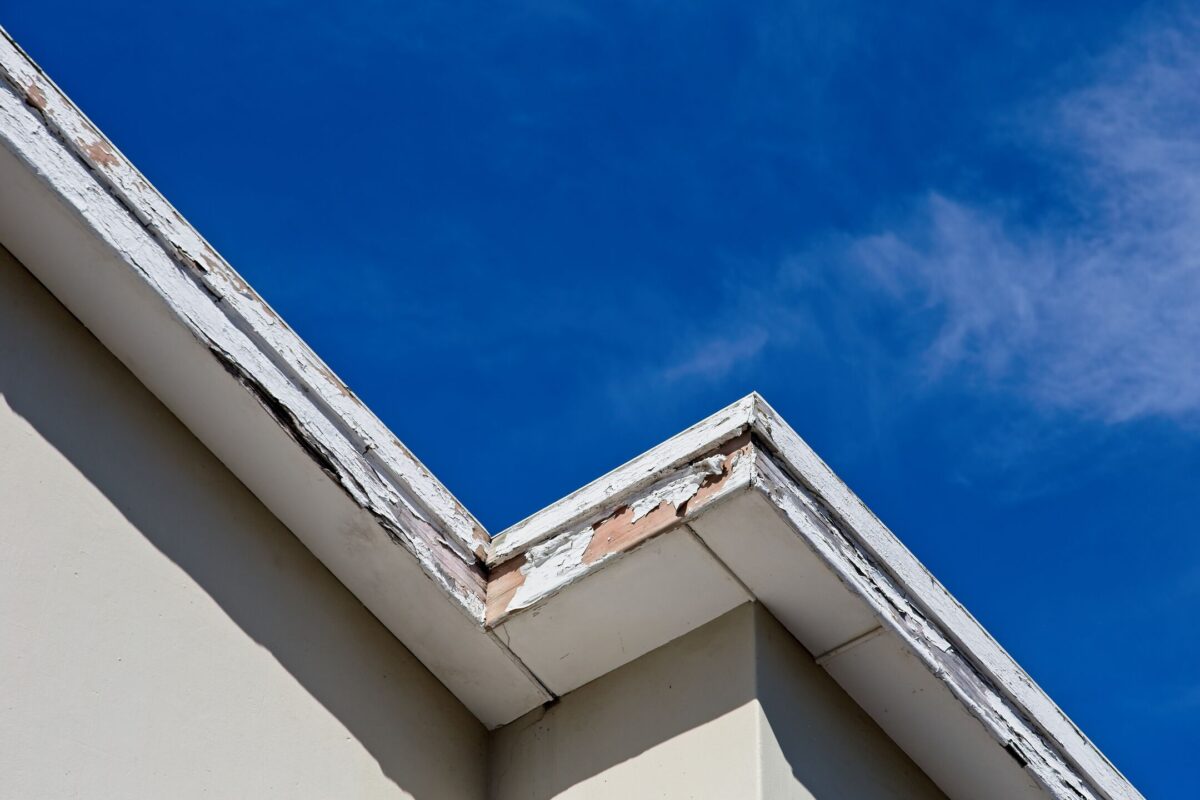
2. Peeling Paint Is Only a Cosmetic Issue
Paint is the main defense for wood fascia, not just a finish. Once it cracks or peels, bare wood soaks up moisture every time it rains or the marine layer rolls in.
- Moisture absorption: Unprotected wood swells, softens, and begins to rot.
- Sun damage: UV exposure dries and cracks bare wood, opening more paths for water.
- Faster decline: Small bare spots can turn into soft, crumbling sections within a few seasons.
3. Gutter Problems and Fascia Problems Are Separate
Gutters and fascia work as a team, so trouble with one almost always affects the other. Clogged or poorly pitched gutters are one of the most common causes of fascia rot.
- Overflow: Water spilling over the back of a full gutter soaks the board directly.
- Added weight: Gutters packed with debris and water strain the fasteners in the fascia.
- Missing drip edge: Without drip edge, runoff can slip behind the gutter and onto the wood.
4. Covering Damaged Fascia Fixes the Problem
Wrapping or painting over rotted fascia may make it look new, but it doesn’t stop the decay underneath. Rot can keep spreading while it stays hidden from view.
- Trapped moisture: Covers can seal water in and speed up the rot.
- Spreading damage: Decay can move into rafter tails, soffits, and roof sheathing.
- Better approach: Replace damaged sections first, then add protection like paint or metal cladding.
Comparing Fascia Board Materials
The fascia materials behind your gutters make a big difference in how much maintenance your roofline needs. Here’s how the most common options compare.
| Material | Moisture Resistance | Maintenance | Best For |
| Painted wood | Low without regular paint | Repaint and inspect often | Traditional look and budget repairs |
| Aluminum fascia or cladding over wood | High when wood underneath is sound | Low | Homeowners who want less upkeep |
| PVC or vinyl fascia | Very high, will not rot | Very low | Coastal homes and damp, shaded areas |
| Fiber cement boards | High, resists rot and insects | Low, with occasional repainting | Homeowners who want a durable, paintable finish |
Upgraded materials can last a long time with proper care. The International Association of Certified Home Inspectors estimates that aluminum gutters, downspouts, soffit, and fascia typically last 20 to 40 or more years with regular maintenance. Wood fascia can last for decades too, but only when its paint stays in good shape and water is kept away from it.
Signs Your Fascia Needs Repair
You can spot many fascia problems from the ground with a quick walk around your home. Watch for these warning signs, especially after heavy rain.
- Peeling or bubbling paint: This often means moisture is already getting into the wood.
- Soft or crumbling spots: Wood that gives when pressed has started to rot.
- Sagging gutters: Gutters that pull away from the house can point to weak fascia behind them.
- Dark stains or streaks: Discoloration below the gutters shows where water is overflowing.
- Signs of pests: Nests, droppings, or chewed wood near the roofline mean there may be an opening.
We’re proud to serve home and business owners in Del Mar, CA, and nearby communities with roof repairs, reroofs, and more. Our team understands how coastal salt air and constant moisture wear on roof edges, and we look closely at fascia and drip edge on every inspection.
Common FAQs About Roof Fascia
Fascia is one of the least understood parts of a roof, so homeowners often have questions about it. Here are answers to a few of the most common ones.
What is the difference between fascia and soffit?
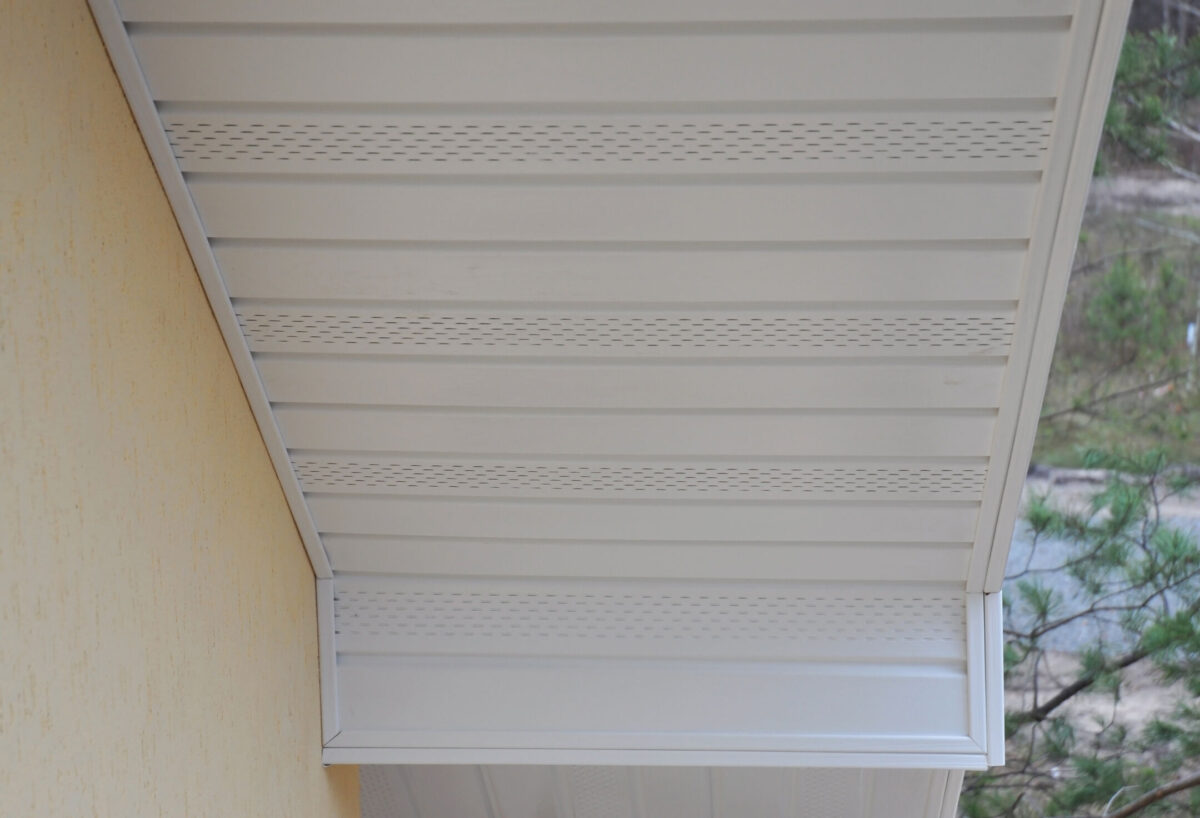
Fascia and soffit work together, but they sit in different spots. Fascia is the vertical board that runs along the edge of the roof and holds your gutters. Soffit is the horizontal panel underneath the roof overhang that connects the fascia to the side of your home. Many soffits include vents that let air flow into the attic. Because the two pieces meet, damage to one often affects the other, so it’s smart to check both whenever you notice peeling paint or rot along the roofline.
Can you replace roof fascia during a roof replacement?
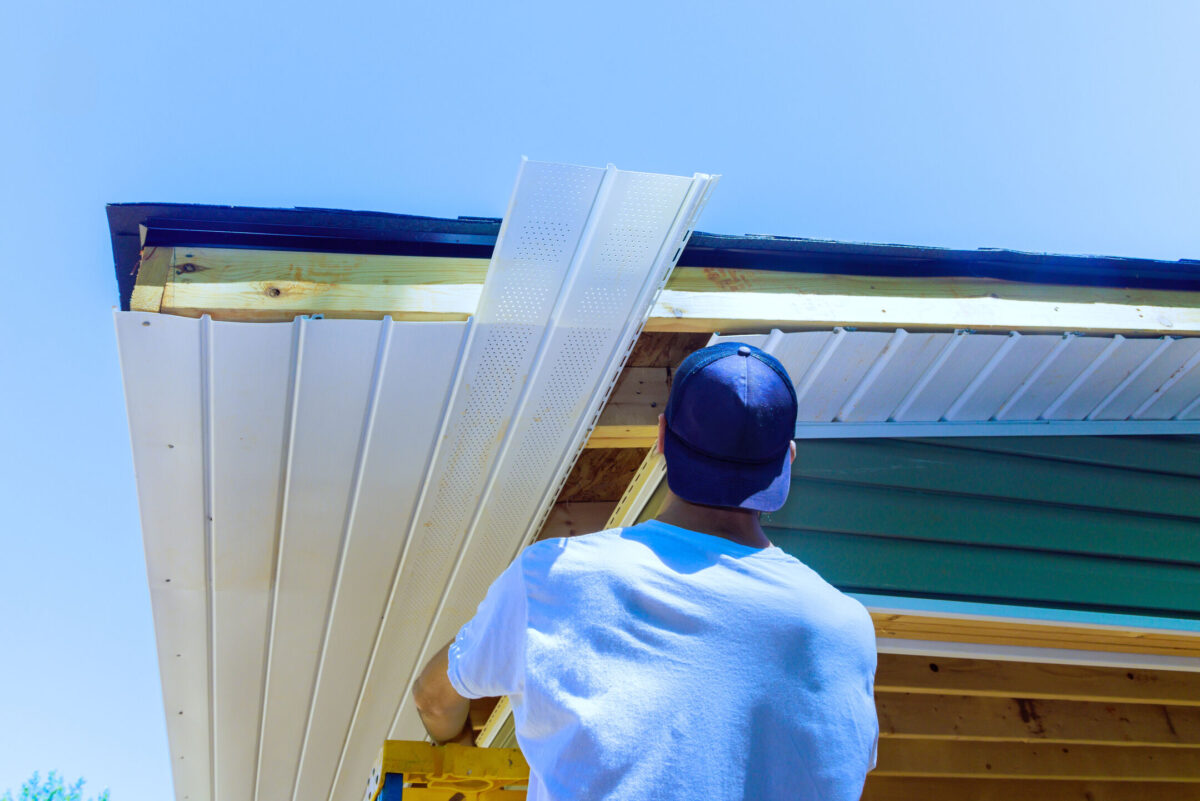
Yes, and a reroof is often the best time to handle it. With the old roofing removed along the edges, a roofing contractor can see the condition of the fascia, rafter tails, and roof deck much more clearly. Damaged sections can be replaced before new drip edge and roofing materials go on, which helps the entire roof edge perform as part of a single roof system. Replacing fascia at the same time also avoids disturbing your new roof later to reach rotted wood.
How do I know if fascia damage is serious?
Surface issues like light peeling paint or minor staining are usually easy to fix if handled quickly. Damage becomes more serious when the wood feels soft, crumbles when pressed, or pulls away from the rafters. Sagging gutters, visible gaps, and signs of animals in the attic also suggest the problem goes deeper than the surface. In those cases, rot may have spread into nearby framing or the roof deck, and a professional should inspect the area before any repairs are made.
How often should wood fascia be painted?
Wood fascia should be repainted whenever the finish starts to crack, fade, or peel, which may happen every several years depending on sun and moisture exposure. Coastal homes and roof edges that face direct afternoon sun often need attention sooner. Using a quality exterior primer and paint helps the finish last longer. Between paint jobs, a quick visual check each year can catch small bare spots before water has a chance to soak in and start the rot process.
Keep Your Roofline Strong With Streamline Roofing
Your fascia may not get much attention, but it plays a big role in protecting your roof, gutters, and attic. Streamline Roofing takes a detailed approach to every roof edge, checking fascia, drip edge, and the materials around them so small issues don’t turn into costly repairs. Every project begins with a free estimate from our owner, who has been roofing since 2001 and will explain exactly what he finds. You’ll receive a clear proposal the day after your inspection, steady communication throughout the job, and a property left clean when we’re done. As Owens Corning certified installers with an A+ rating from the Better Business Bureau, we focus on quality over quantity. Set up a free estimate with our owner and protect your roofline for years to come.