Roofing
Roof Ridge: 7 Problems That Lead to Costly Leaks
The peak of your roof takes more abuse than almost any other spot on your home. Sun hits it from every direction, wind catches it first, and rain runs across it with every storm. The roof ridge is where two slopes meet, and it relies on caps, vents, and fasteners to keep water out of that seam. When any of those pieces fail, leaks can travel along rafters and show up far from the actual problem. Homeowners in Alpine know how hard strong Santa Ana gusts can hit a roofline, and small issues at the peak often grow quickly. Catching trouble early and scheduling professional ridge cap repairs can save you from water damage that costs far more to fix.
Here’s what this guide covers:
- How the ridge works: The parts that protect the peak of your roof.
- Seven common problems: The ridge issues most likely to cause leaks.
- Repair overview: What each problem looks like and how it gets fixed.
- Warning signs: Clues that your ridge needs attention.
- Common questions: Straight answers about ridge caps, vents, and inspections.
What the Roof Ridge Does for Your Home
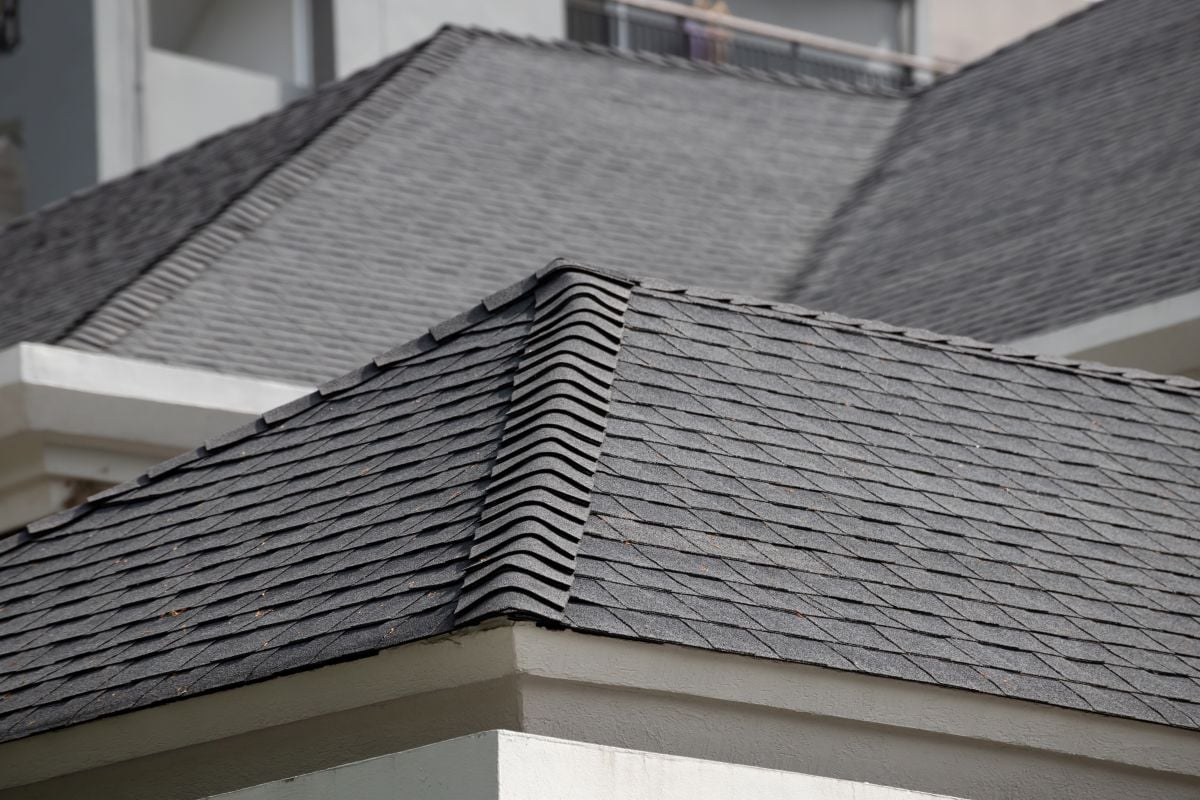
The ridge is the highest horizontal line of your roof, where two roof planes come together. Because that joint can’t be covered by regular shingles or tiles alone, it needs its own layer of protection to stay watertight.
- Ridge cap: Specially shaped shingles or tiles cover the peak and overlap to shed water onto the roof surface on both sides.
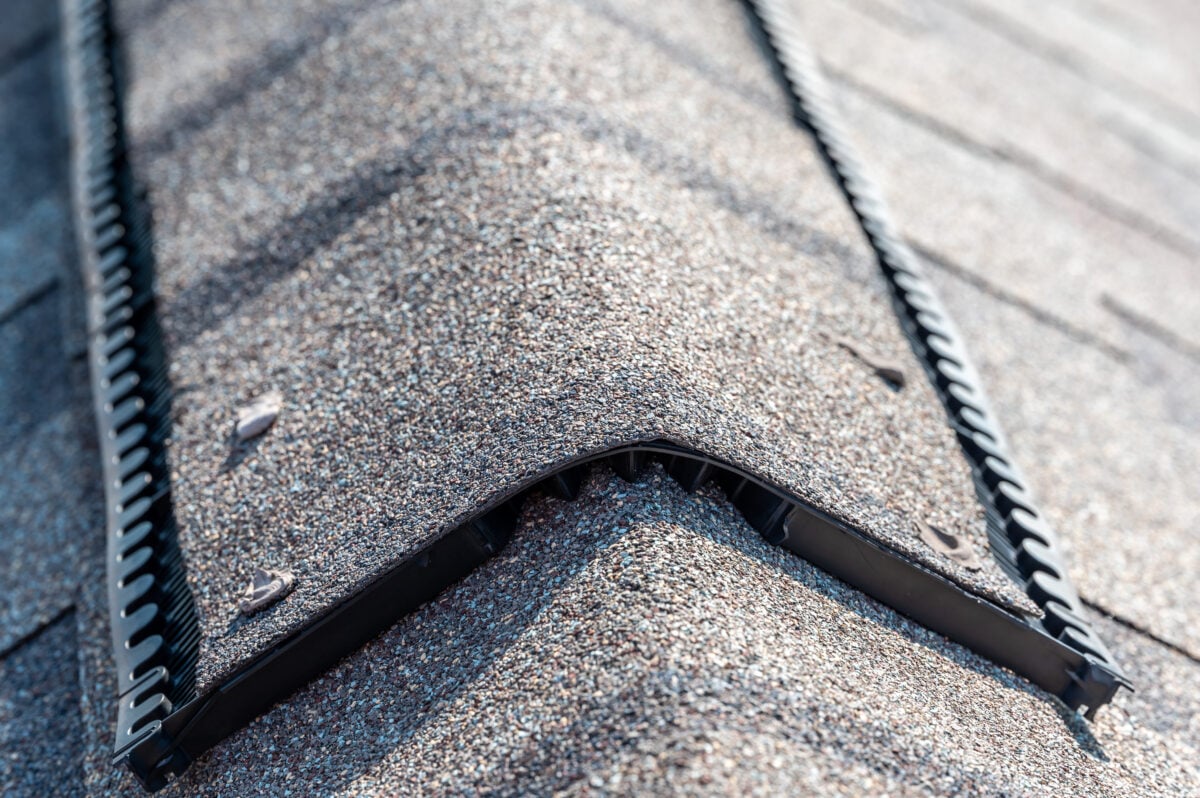
- Ridge vent: Many homes have a continuous vent along the peak that allows hot, humid air to escape the attic.
- Fasteners and sealant: Nails, adhesive strips, and sealant hold the cap in place against wind.
- Mortar or ridge anchors: Tile roofs use mortar or mechanical fasteners to secure ridge tiles.
Every one of these parts has to work together. If one piece loosens or wears out, water has a direct path into the attic at the most exposed point on your roof.
7 Roof Ridge Problems That Lead to Costly Leaks
Most ridge leaks start with something small that goes unnoticed from the ground. These are the problems roofers find most often at the peak of the roof.
- Cracked or missing ridge caps: Years of sun and heat make cap shingles brittle, and cracked or missing ridge cap shingles leave the seam underneath exposed.
- Exposed or backed out nails: Nails at the ridge can loosen as the roof expands and contracts, creating small holes where water slips through.
- Failing mortar or broken ridge tiles: On tile roofs, mortar cracks and crumbles over time, allowing ridge tiles to shift or fall.
- Damaged ridge vents: Cracked, crushed, or poorly installed vents can let rain blow straight into the attic during storms.
- Dried out sealant: Constant UV exposure breaks down the adhesive that holds ridge caps in place, weakening their grip.
- Wind damage: Strong gusts can lift the edges of ridge caps and peel them back, especially once sealant has aged.
- A sagging ridge line: A dip along the peak can point to problems with the roof structure or trapped moisture that weakens the roof deck below.
Ridge ventilation plays a bigger role in ridge leaks than many homeowners realize. According to the Asphalt Roofing Manufacturers Association, an attic system that isn’t balanced at the ridge can actually pull moisture into the home during heavy rain. That’s why a good ridge inspection looks at airflow as well as the condition of the caps.
Common Ridge Repairs and What They Involve
Not every ridge problem requires a major project. The table below shows how common issues typically show up and how roofers usually fix them.
| Problem | Warning Sign | Typical Fix | Urgency |
| Cracked or missing ridge caps | Visible gaps or pieces in the yard | Ridge cap replacement for damaged shingles or tiles | High |
| Loose nails | Raised cap edges or rust streaks | Reset or replace nails and seal them | Moderate |
| Failing mortar | Crumbling mortar or shifting tiles | Repoint mortar or install ridge anchors | Moderate to high |
| Damaged ridge vent | Leaks during windy storms | Replace with a weather resistant vent | High |
| Sagging ridge line | Visible dip along the peak | Structural evaluation and deck repair | High |
Warning Signs Your Ridge Needs Attention
Ridge problems aren’t always easy to see, but your home usually gives you clues. Keep an eye out for these signs both inside and outside.
- Ceiling stains: Brown spots near the center of your home can point to water coming in at the peak.
- Debris in the yard: Pieces of cap shingles or broken tile after a windy day are a clear red flag.
- Granules in gutters: Heavy granule loss can mean cap shingles are wearing out from sun exposure.
- Daylight in the attic: Light showing along the ridge means gaps that water can also get through.
- Damp insulation: Wet or matted insulation near the peak often signals a slow, hidden leak.
We’re proud to serve home and business owners in Alpine, CA, and nearby communities with ridge repairs, roof replacements, and more. Our crews understand how strong seasonal winds and intense backcountry sun wear down a roofline, and we build every repair to hold up to those conditions.
Common FAQs About Roof Ridge Repairs
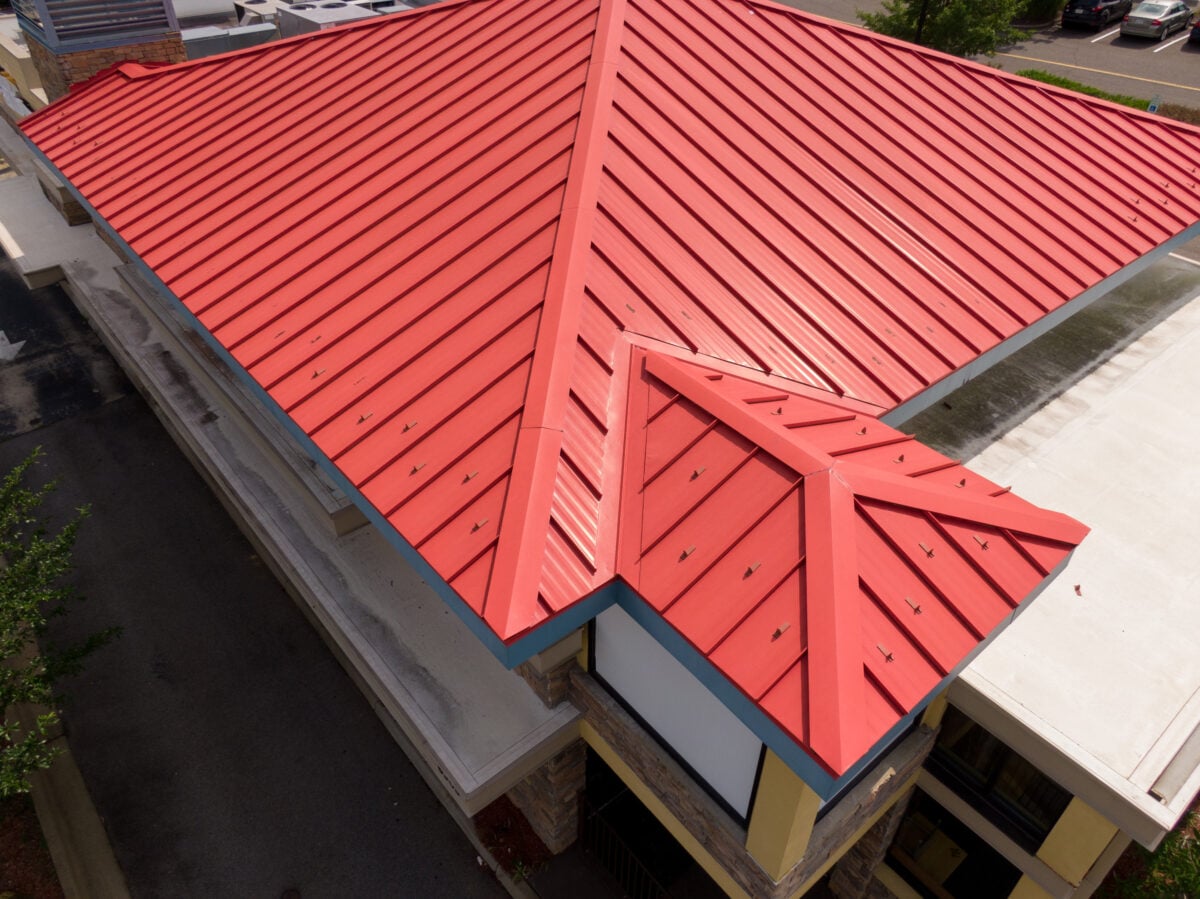
Homeowners often have questions once they learn how important the ridge is. Here are answers to a few of the most common ones.
What is a roof ridge cap?
A roof ridge cap is the row of specially shaped shingles or tiles that covers the peak of your roof where two slopes meet. Regular field shingles and tiles can’t bend over that seam properly, so ridge caps are designed to fold over it and overlap in a way that sheds water down both sides. On roofs with asphalt shingles, including popular architectural shingles, ridge cap shingles are often thicker for added durability. On tile roofs, rounded or angled ridge tiles are secured with mortar or fasteners to keep them firmly in place.
Can a roof ridge be repaired without replacing the whole roof?
In many cases, yes. If the rest of your roof is in good condition, a roofing contractor can replace damaged ridge caps, reset loose nails, repoint mortar, or swap out a failing ridge vent without touching the rest of the roof system. These targeted repairs are usually quick and far less expensive than a full replacement. However, if the ridge damage is part of widespread wear across the roof, or if the roof is near the end of its lifespan, replacing the entire roof may be the better long term investment.
How often should I have my roof ridge inspected?
Plan on having your roof inspected at least once a year, with the ridge as one of the key areas a roofer checks. Early fall is a smart time because it gives you a chance to make repairs before the rainy season arrives. It’s also worth scheduling an inspection after strong Santa Ana winds or any major storm, since the peak is usually the first place wind damage shows up. Regular checks help catch cracked caps, loose nails, and aging sealant before they turn into leaks.
Why does my roof only leak at the ridge during storms?
Leaks that appear only during storms usually come from wind driven rain. On calm days, water runs down the roof normally and never reaches small gaps at the peak. During a storm, strong gusts can push rain sideways and upward into cracked caps, lifted edges, or vents that aren’t built to resist weather. Because the problem only shows up in certain conditions, it can be easy to ignore. A professional inspection can pinpoint the source so the fix actually holds during the next heavy rain.
Protect Your Peak With Streamline Roofing
The ridge may be a small part of your roof, but it plays a huge role in keeping your home dry. Streamline Roofing takes a careful, detailed approach to every ridge repair, from replacing worn caps to correcting ventilation issues that cause hidden moisture problems. Every project begins with a free estimate from our owner, who has been roofing since 2001 and will show you exactly what he finds. You’ll receive a proposal the day after your inspection, and during the rainy season we keep emergency repair crews on call. As Owens Corning certified installers with an A+ rating from the Better Business Bureau, we always choose quality over quantity and leave your property spotless. Have our team take a close look at your ridge and stop small problems before they become costly leaks.