Roofing
Roof Ventilation: 5 Mistakes & How to Fix Them
Proper roof ventilation plays a major role in protecting a home from moisture buildup, heat damage, and premature roof deterioration. A well-balanced ventilation system helps regulate attic temperatures, reduce humidity, and improve overall roof performance throughout the year. When ventilation problems develop, homeowners may notice rising energy bills, mold growth, shortened roof lifespan, or damage to roofing materials.
- Temperature control: Proper airflow helps reduce attic heat buildup.
- Moisture protection: Ventilation systems help prevent condensation and excess moisture.
- Energy efficiency: Balanced air movement can lower cooling costs during warmer months.
- Roof lifespan support: Ventilation helps roofing materials last longer.
- Common installation errors: Poor vent placement or blocked airflow can reduce performance.
Understanding the most common roof ventilation mistakes can help homeowners avoid expensive repairs and maintain a healthier roofing system.
Why Roof Ventilation Matters
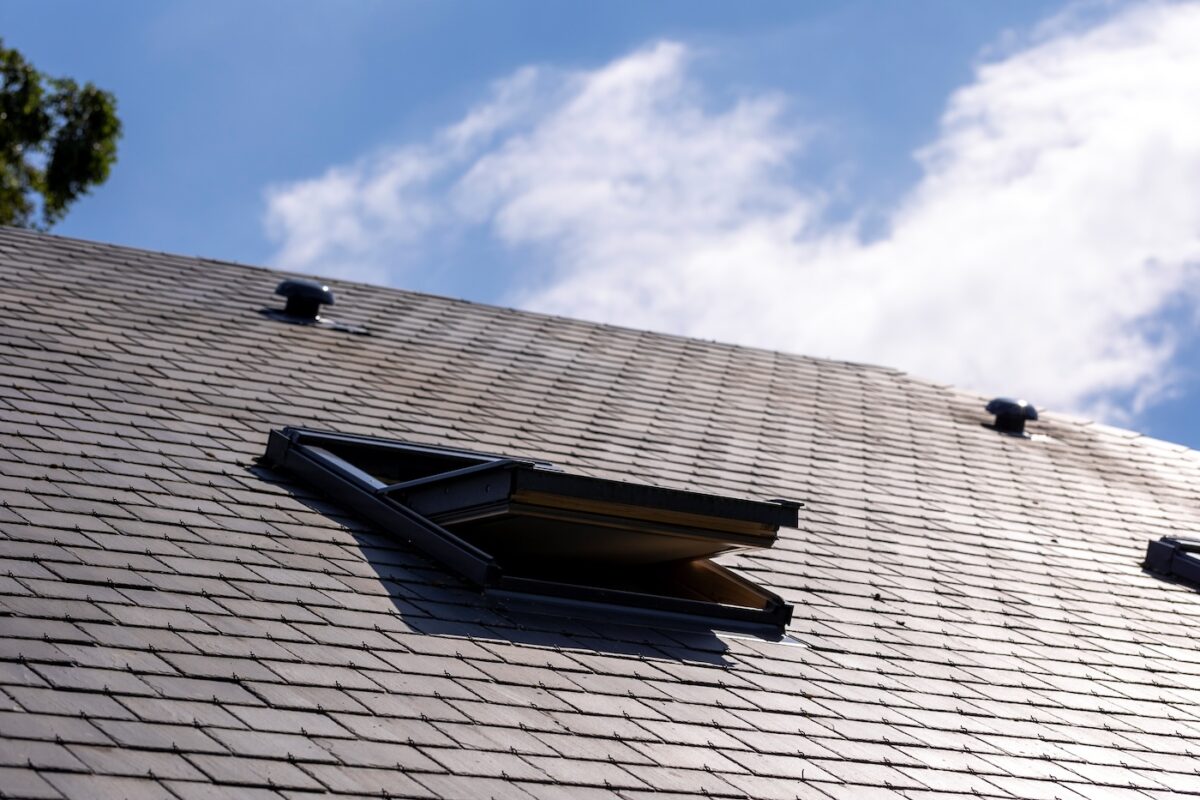
Roof ventilation allows fresh air to circulate through the attic while pushing out trapped warm air and humidity. Most roofing systems rely on intake roof vents near the lower roof edge and exhaust vents near the ridge to maintain continuous airflow throughout the attic space.
According to the U.S. Department of Energy, ducts located in unconditioned attics increase energy use for heating and cooling by 10%, and duct air leakage commonly exceeds 20% of conditioned airflow — making proper attic ventilation one of the most impactful factors in long-term home energy efficiency.
Professional roofing contractors often evaluate ventilation during roof inspections because airflow directly affects roof performance, energy efficiency, and long-term durability. A properly balanced roof vent system helps maintain healthier attic conditions year-round, especially for humid coastal homes in need of roofing services in Coronado.
5 Common Roof Ventilation Mistakes
Ventilation problems are more common than many homeowners realize. Below are five common mistakes that can affect attic airflow and overall roofing performance.
1. Not Having Enough Intake Vents
A ventilation system needs balanced airflow to function properly. Without enough intake roof vents, fresh cold air cannot enter the attic efficiently.
- Restricted airflow: Limits ventilation performance throughout the attic.
- Heat buildup: Traps warm air inside the roofing system.
- Moisture issues: Increases the risk of condensation and mold growth.
2. Poor Exhaust Vent Placement
Exhaust vents should be installed near the highest points of the roof to allow rising heat to escape effectively.
- Improper vent locations: Reduce airflow efficiency.
- Hot attic temperatures: Heat remains trapped inside the attic.
- Reduced energy efficiency: HVAC systems work harder to cool the house.
3. Mixing Different Exhaust Vent Types
Combining ridge vents with powered attic fans or turbines can interfere with proper airflow.
- Competing airflow systems: Vents may pull air from each other instead of the attic.
- Reduced ventilation performance: Limits effective attic air movement.
- Unbalanced system: Can create uneven attic temperatures.
4. Blocked Soffit Vents
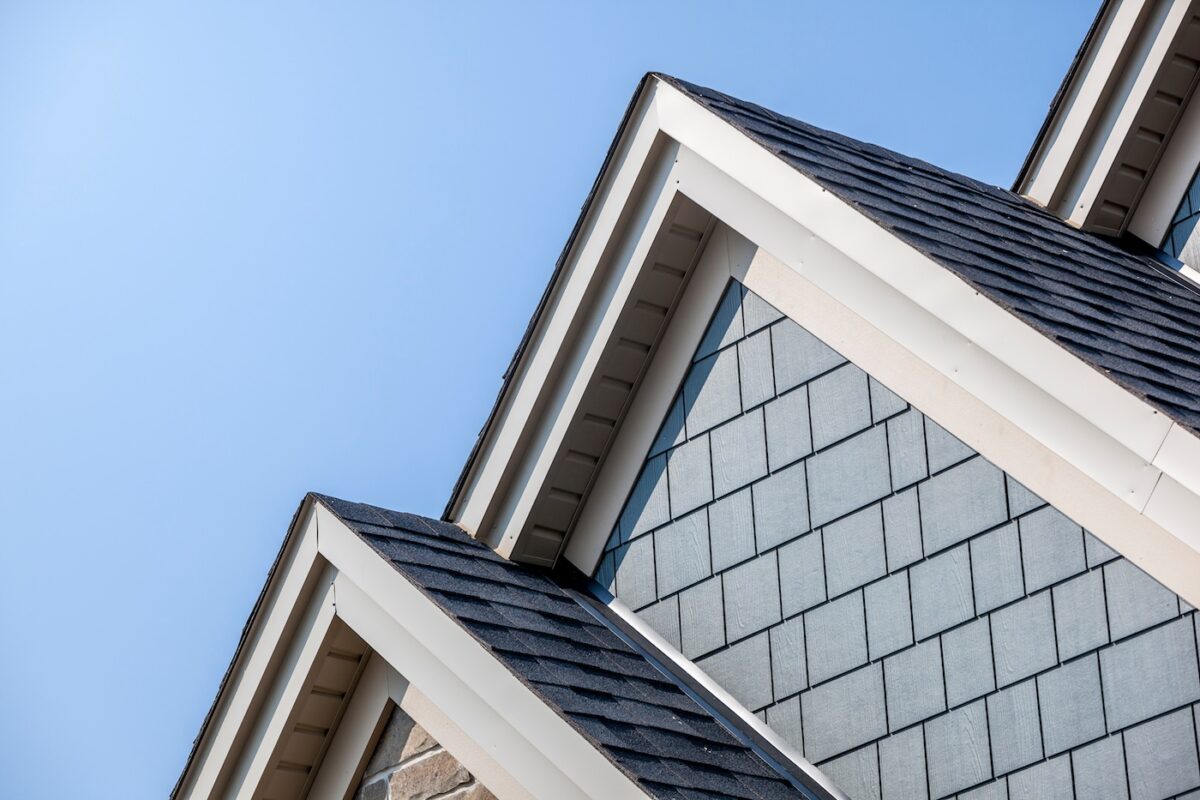
Soffit vents are critical intake points that allow fresh cold air into the attic. Insulation or debris can block these attic vents over time.
- Restricted intake airflow: Reduces fresh air circulation.
- Moisture accumulation: Increases condensation risks.
- Insulation problems: Trapped heat may affect attic insulation performance.
5. Ignoring Attic Moisture Problems
Moisture buildup in the attic often signals poor roof ventilation and can eventually damage the roof decking.
- Condensation issues: Moisture may collect on wood framing.
- Mold growth: Excess humidity supports mildew and mold development.
- Structural damage: Long-term moisture exposure weakens roofing materials.
Signs Your Roof Ventilation Needs Improvement
Many ventilation problems develop gradually before major roof damage becomes visible. Homeowners should watch for warning signs that indicate airflow issues, particularly in colder mountain communities that need roofing in Julian.
- High attic temperatures: Excessive heat buildup during summer.
- Rising energy bills: Cooling systems work harder to maintain indoor comfort.
- Condensation: Moisture appearing on attic surfaces.
- Mold or mildew: Signs of trapped humidity.
- Premature roof aging: Roofing materials deteriorate faster than expected.
Routine roof inspections can help identify these issues before they lead to expensive repairs.
How Roofing Contractors Fix Ventilation Problems
Professional roofing contractors use several methods to improve attic airflow and restore proper roof ventilation.
- Installing ridge vents: Helps release trapped warm air from the attic.
- Adding soffit vents: Improves fresh air intake circulation throughout the roof system.
- Removing airflow obstructions: Clears blocked attic vents and ventilation pathways.
- Upgrading attic ventilation systems: Balances intake and exhaust airflow for better performance.
- Inspecting insulation placement: Prevents insulation from blocking airflow near the attic floor space.
A properly balanced ventilation system improves roof durability, indoor comfort, and overall energy efficiency for the home.
Comparing Common Roof Ventilation Systems
Different ventilation systems work better for different roof styles and attic layouts. Understanding the differences helps homeowners choose the right option for long-term airflow performance.
| Ventilation Type | Primary Function | Common Location |
| Ridge Vent | Releases rising hot air | Roof peak |
| Soffit Vent | Pulls fresh air into attic | Roof eaves |
| Gable Vent | Improves cross ventilation | Exterior walls |
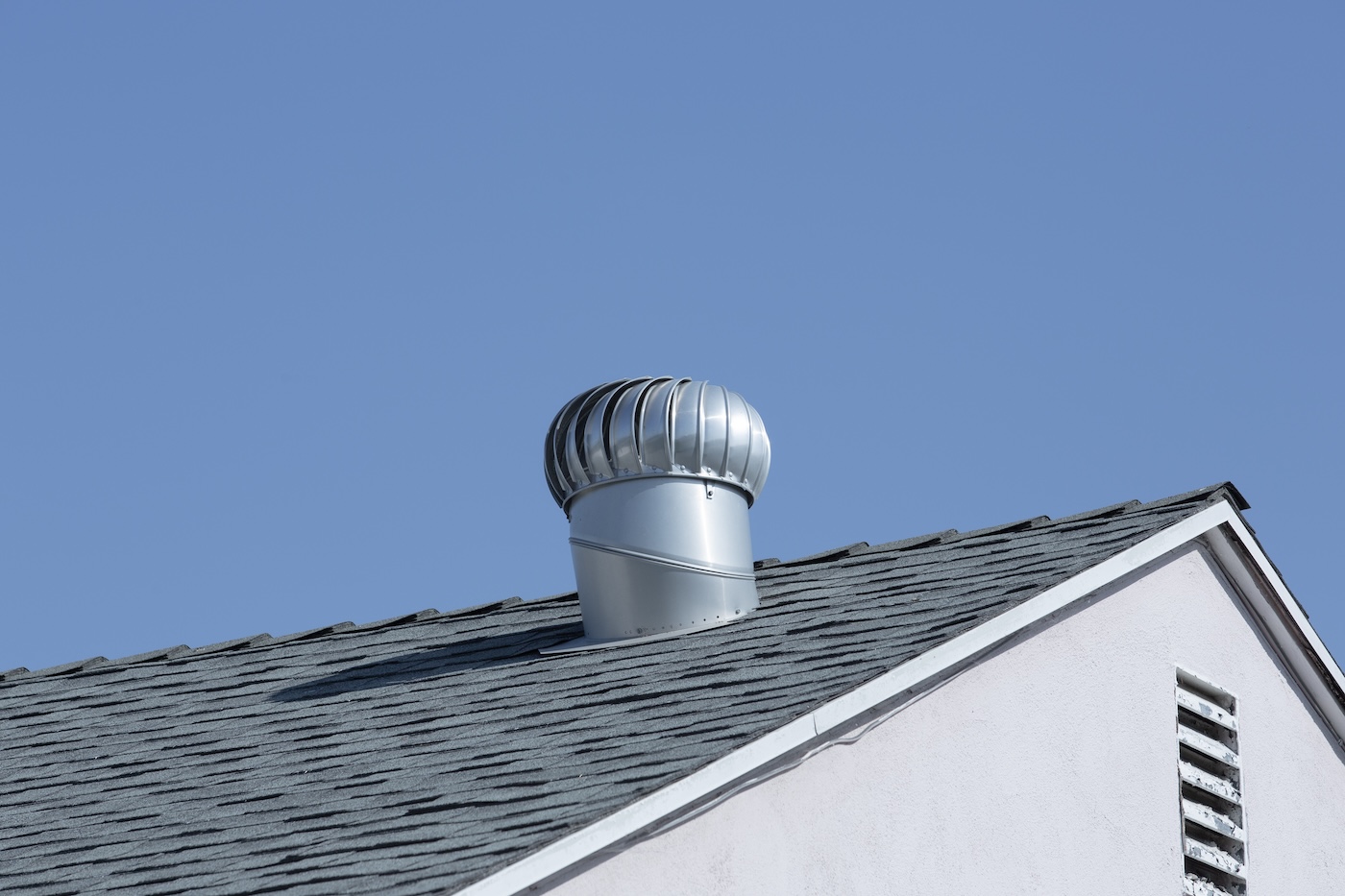
| Turbine Vent | Uses wind-powered airflow | Roof surface |
| Powered Vent | Mechanically removes heat | Roof or attic |
Balanced intake and exhaust ventilation are essential for maintaining healthy attic airflow and preventing heat or moisture buildup.
Common Questions About Roof Ventilation
Roof ventilation systems are designed to regulate attic airflow and protect roofing materials from heat and moisture damage. Many homeowners do not realize ventilation issues exist until they notice higher energy bills, attic condensation, or signs of premature roof aging.
How do I know if my roof ventilation is bad?
Common signs of poor roof ventilation include excessive attic heat, moisture buildup, mold growth, rising cooling costs, and roof shingles that age faster than expected. A professional roof inspection can help identify airflow problems before they cause structural damage.
Does roof ventilation help lower energy bills?
Yes. Proper roof ventilation helps remove trapped warm air, reducing the workload on air conditioning systems during warmer months. Improved airflow can help maintain more consistent indoor temperatures and support better overall energy efficiency.
Can poor ventilation damage a roof?
Yes. Poor attic ventilation can trap excess moisture and heat inside the roofing system, which may lead to warped decking, mold growth, damaged insulation, shortened roof lifespan, and in severe cases, a sagging roof. Long-term ventilation issues often result in expensive roof repairs if left unaddressed.
Should ventilation be upgraded during a roof replacement?
In many cases, yes. Roofing contractors often recommend evaluating attic airflow during roof replacement projects to ensure the ventilation system matches the updated roofing materials and current building standards.
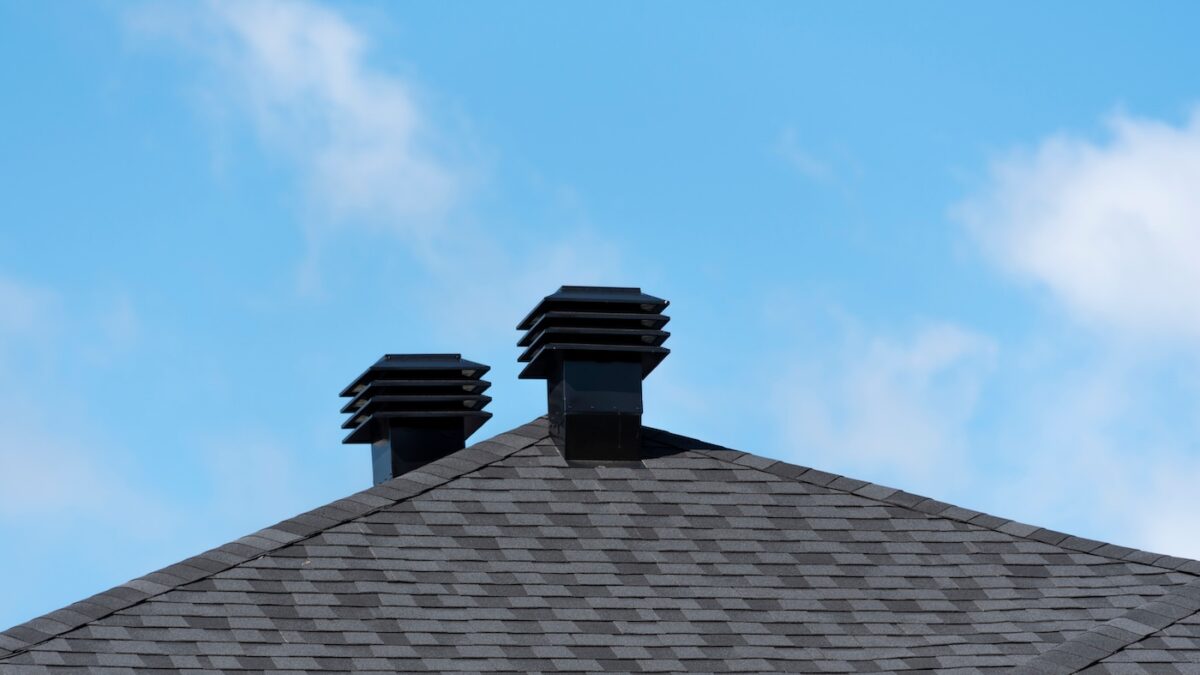
Improve Roof Performance with Streamline Roofing
Proper roof ventilation helps protect your home from heat damage, moisture problems, and premature roofing failure. At Streamline Roofing, our experienced roofing pros provide inspections, ventilation upgrades, roof repairs, and complete roofing services designed to improve long-term roof performance for homeowners seeking a roofing company in La Jolla.
We’re proud to serve homeowners in El Cajon, CA, and nearby communities with reliable roofing and attic ventilation solutions. If you’re concerned about airflow problems or planning a roofing project, contact Streamline Roofing today to schedule a consultation.