Roofing
5 Super El Nino Effects That Put Southern CA Roofs at Risk
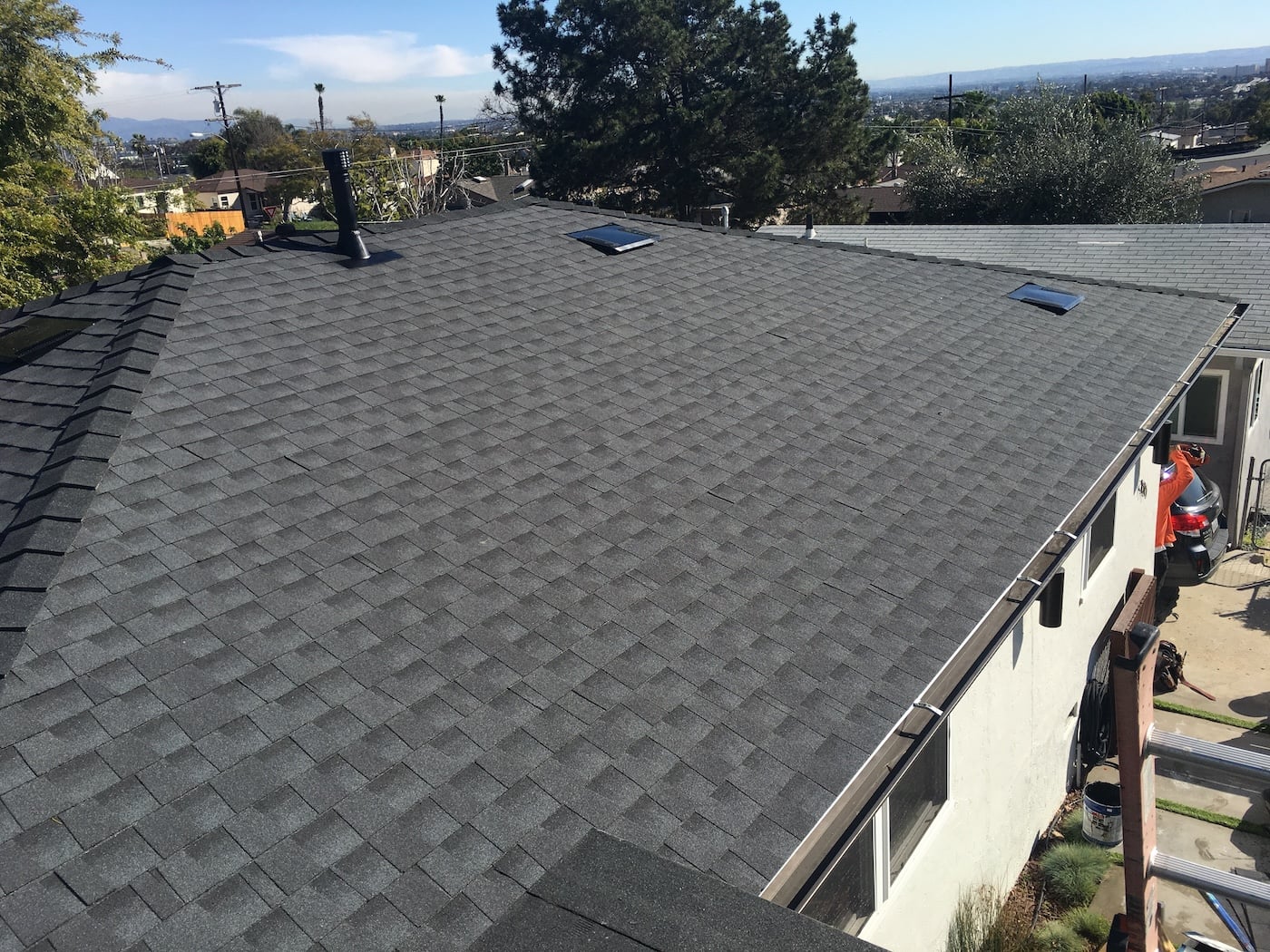
Forecasters are tracking what could become one of the strongest El Niño events on record this rainy season, and that has homeowners across San Diego County looking up at their roofs. Understanding super El Nino effects helps you spot weak points before months of heavy rain and wind put them to the test. Homes in coastal communities like Coronado face extra pressure from ocean winds and moisture, while inland homes deal with runoff, debris, and overworked gutters. The best time to act is before the first big storm, when small fixes are still simple. If your roof already shows wear, now is the moment to look into roof repairs built to handle heavy rainy season storms so your home stays dry all season.
Here’s what this guide covers:
- What sets a super El Niño apart: Why this year could look very different from a typical rainy season.
- Five roof risks: The specific ways powerful storms can damage your home.
- Roof type comparison: How shingles, tile, and flat roofs hold up under pressure.
- Preparation steps: Practical ways to get your roof ready now.
- Common questions: Answers to what homeowners ask most about El Niño season.
What Makes a Super El Niño Different
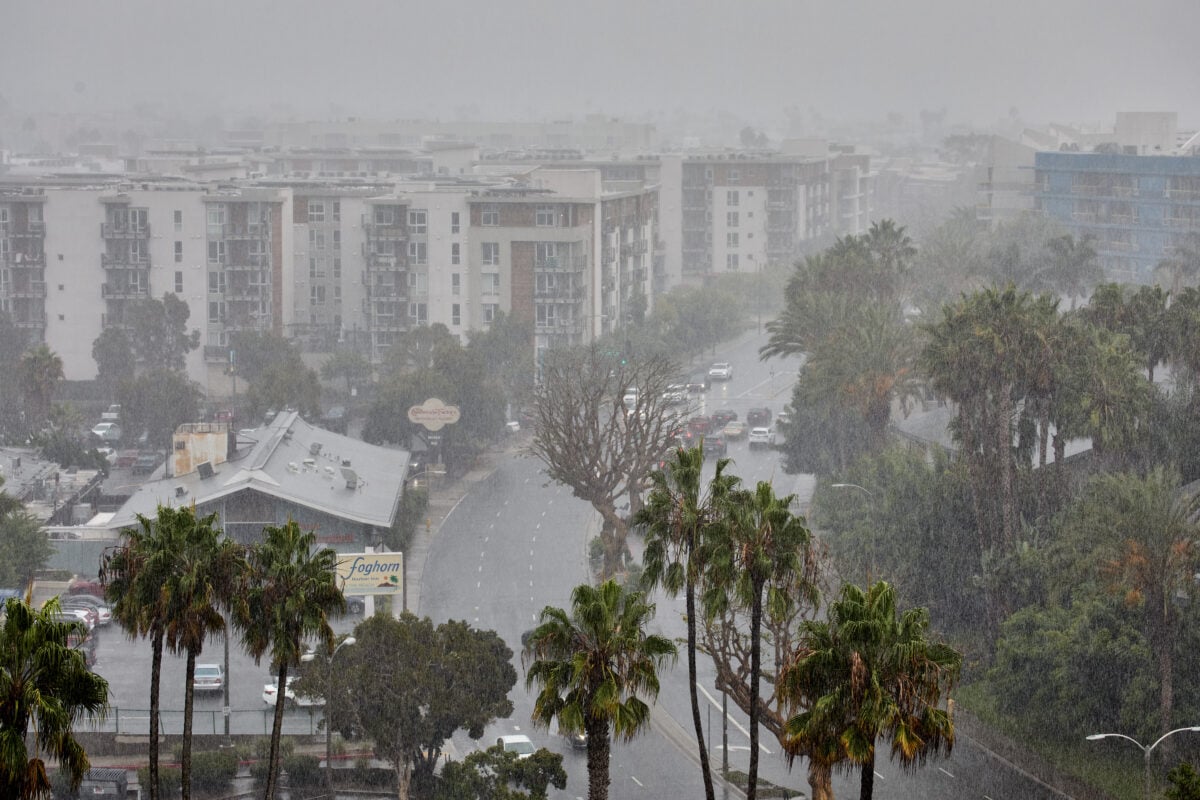
El Niño is the warm phase of the El Niño Southern Oscillation, a natural climate cycle in the Pacific Ocean. During the El Niño phase, sea surface temperatures along the equator rise above normal and warm water spreads east toward South America. Those El Niño conditions shift the jet stream and steer more storms toward Southern California, while the opposite phase, La Niña, often leaves the region drier than usual. A super El Niño is simply an unusually strong El Niño, and super El Niño events tend to bring repeated storm systems rather than one or two isolated downpours.
That repetition is what makes these seasons so hard on roofs. A roof that handles a single storm just fine may start to fail when it never gets a chance to dry out between systems. Strong El Niño events have left a clear record of damage in California. After the powerful El Niño of 1982 and 1983, the California Coastal Commission reports that about 3,000 homes and 900 coastal businesses were damaged by storm surge, waves, and erosion. Previous El Niño events have each played out a little differently, but El Niño impacts consistently remind homeowners that preparation pays off.
5 Super El Nino Effects That Threaten Your Roof
Strong El Niño storms rarely cause just one type of damage. Each of the effects below can weaken your roof on its own, and together they can turn a minor issue into a major repair.
- Heavy and repeated rainfall: Back to back storms keep roofing materials saturated for weeks. Small cracks, worn sealant, and aging underlayment that normally go unnoticed can start letting water into your attic.
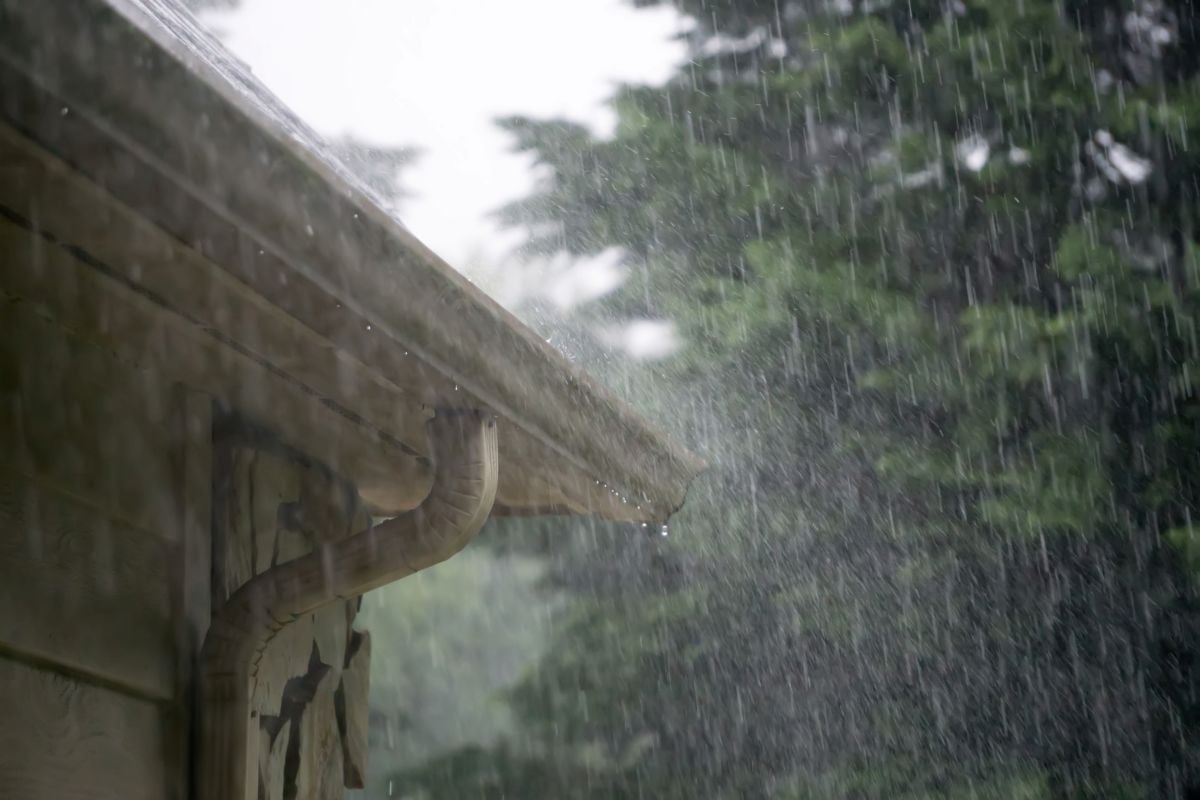
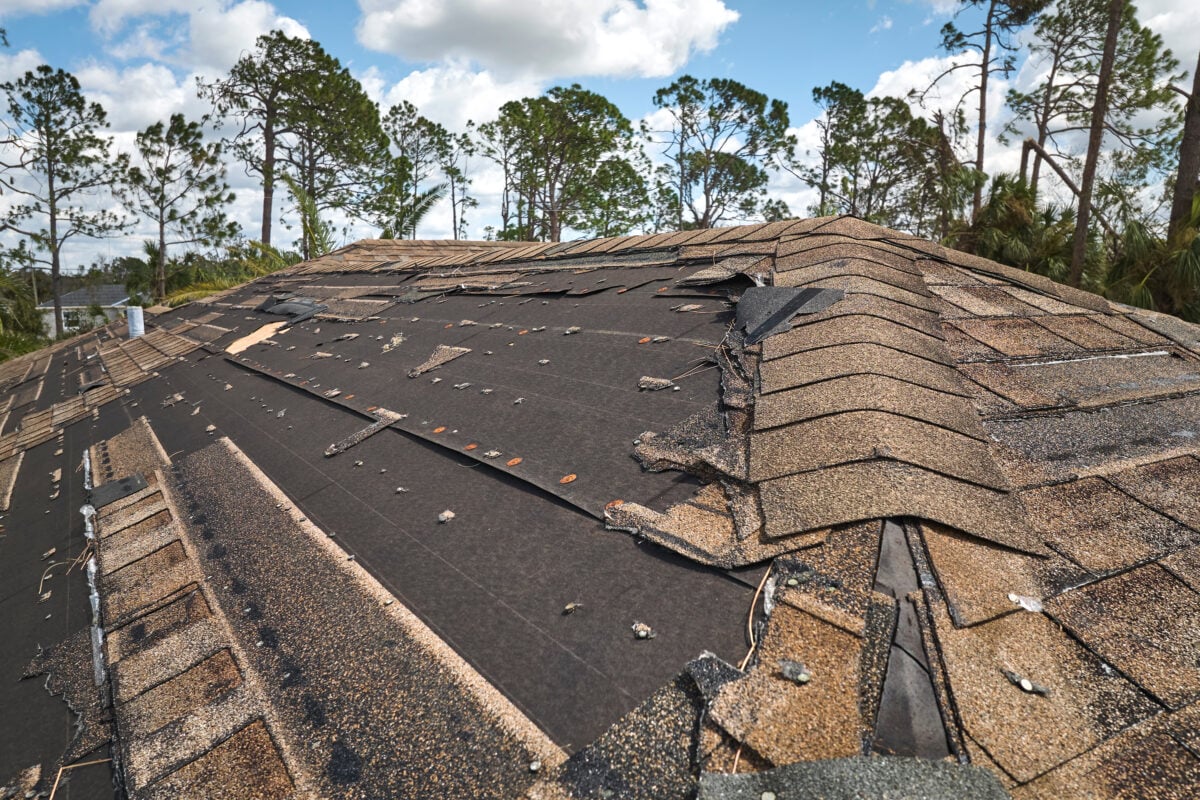
- Strong, gusty winds: Powerful winds can lift shingle edges, loosen tiles, and drive rain sideways under roofing materials. Once a shingle or tile is displaced, the layers beneath are exposed to every storm that follows.
- Overflowing gutters and downspouts: When gutters clog with leaves and debris, water backs up onto the roof edge. That overflow can rot fascia boards, soak roof decking, and send water toward your foundation.
- Ponding on flat and low slope roofs: Flat roofs depend on steady drainage. Heavy rain can overwhelm drains and scuppers, leaving standing water that adds weight and slowly works through seams and weak spots.
- Hidden moisture in the attic: Slow leaks often go unseen until stains appear on your ceiling. Trapped moisture can lead to mold, damaged insulation, and wood rot long before you notice a drip.
How Different Roof Types Hold Up Against El Niño Storms
Every roofing material has its own strengths and weak spots during a wet, windy storm season. The table below shows what to watch for based on the type of roof on your home.
| Roof Type | Strengths | Common Weak Spots | What to Check |
| Asphalt shingles | Affordable and quick to repair | Lifted edges, missing shingles, granule loss | Curling, cracked, or loose shingles and worn flashing |
| Clay or concrete tile | Long lasting and heat resistant | Cracked or slipped tiles, aging underlayment | Broken tiles and the condition of the underlayment beneath |
| Flat roofs (TPO, PVC, torch down) | Seamless coverage when well maintained | Ponding water, open seams, clogged drains | Seams, drains, scuppers, and low spots |
How to Prepare Your Roof Before the Storms Hit
A few weeks of preparation now can save you from emergency repairs in the middle of a downpour. Focus on the areas where water and wind cause the most trouble.
- Schedule a professional inspection: A roofer can find loose shingles, cracked tiles, and worn flashing that are hard to see from the ground.
- Clean gutters and downspouts: Clear out leaves and debris so water flows away from your roof and foundation.
- Trim overhanging branches: Cutting back limbs reduces the chance of falling debris and keeps leaves out of your gutters.
- Seal around roof penetrations: Check vents, chimneys, and skylights for cracked sealant or gaps in the flashing.
- Look inside your attic: Watch for water stains, damp insulation, or daylight coming through the roof deck.
We’re proud to serve home and business owners in Coronado, CA, and nearby communities with storm damage repairs, complete reroofs, and more. Our team understands how salty ocean air and coastal winds wear on roofing materials, and we factor those conditions into every recommendation we make.
Common FAQs About El Niño and Your Roof
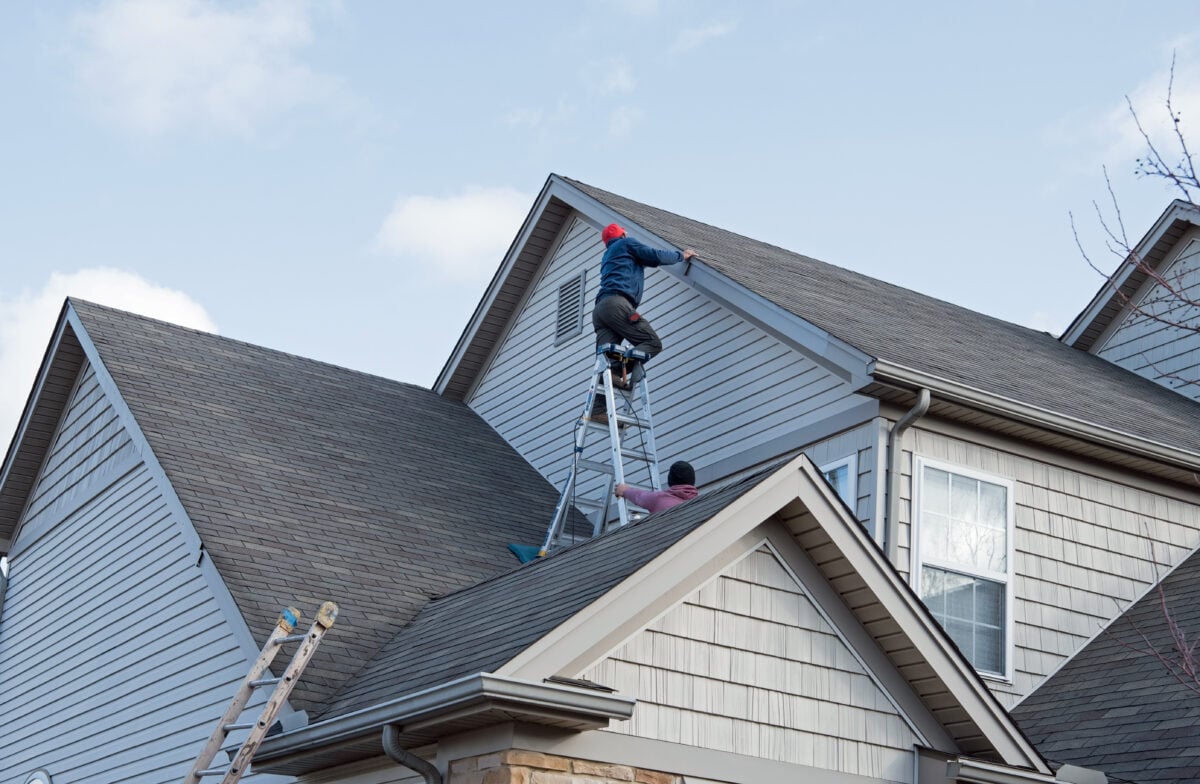
A strong El Niño season raises plenty of questions for homeowners. Here are straightforward answers to some of the most common ones.
When do El Niño storms usually hit Southern California?
The heaviest El Niño storms in Southern California typically arrive between December and March, although the pattern can start earlier in some years. Because the exact timing is hard to predict, it’s smart to finish roof inspections and repairs in the fall while the weather is still dry. Roofers are also easier to schedule before the rain begins. Once storms start rolling in back to back, demand for repairs rises quickly and waiting for an open appointment can leave a small leak unaddressed for weeks.
Can an older roof make it through a super El Niño season?
It depends on the condition of the roof more than its age alone. An older roof that has been well maintained may handle a stormy season with only minor repairs, while a newer roof with installation problems could struggle. Warning signs include curling or missing shingles, cracked tiles, soft spots, sagging areas, and past leaks that were never fully fixed. A professional inspection is the best way to know whether targeted repairs will get you through the season or a replacement makes more sense.
Will homeowners insurance cover storm damage to my roof?
Many homeowners insurance policies cover sudden damage from wind or falling debris, but coverage varies widely from one policy to the next. Insurers often deny claims tied to normal wear, aging materials, or lack of maintenance, which is why keeping your roof in good shape matters before storm season. Review your policy details now so you understand your deductible and what is included. Documenting your roof’s condition with photos before the rain starts can also help if you ever need to file a claim.
What should I do if my roof starts leaking during a storm?
Start by protecting the inside of your home. Move furniture and valuables away from the leak, place buckets or towels to catch dripping water, and take photos of any damage. Avoid climbing onto a wet roof, since slippery surfaces and high winds make it extremely dangerous. Once you’re safe, contact a roofing company that offers emergency service so a crew can temporarily secure the area. After the storm passes, a full inspection will show whether the damage needs a simple repair or a larger fix.
Weather the Storm Season With Streamline Roofing
A powerful El Niño season is not the time to find out your roof has weak spots. Streamline Roofing helps San Diego County homeowners prepare before storms hit and respond quickly when they do. During the rainy season, we keep emergency repair crews on call so help is never far away. Every project starts with a free estimate handled by our owner, who has been roofing since 2001 and will explain exactly what he finds. You’ll receive a proposal the day after your inspection, clear communication throughout, and a property left spotless when the job is done. As Owens Corning certified installers with an A+ rating from the Better Business Bureau, we build roofs meant to stand up to Southern California’s toughest weather. Reserve your roof inspection before the storms roll in and head into the rainy season knowing your home is protected.