Tile Roofing
Tile Roof Repair: 8 Common Problems & Costs Explained
Proper tile roof repair is essential for protecting homes from leaks, structural damage, and premature roof deterioration. Tile roofing systems are known for their durability and long lifespan, but even high-quality roofs can develop issues over time due to weather exposure, shifting materials, and aging underlayment. Understanding the most common tile roof problems and repair costs can help homeowners make informed decisions before small issues turn into major repairs.
- Long-lasting roofing system: Tile roofs can last for decades with proper maintenance.
- Common repair needs: Cracked tiles, underlayment damage, and flashing issues are frequent concerns.
- Water protection: Prompt repairs help prevent leaks and water damage.
- Material durability: Concrete and clay tiles resist harsh weather conditions well.
- Repair costs vary: Pricing depends on roof size, accessibility, and the extent of damage.
Knowing what causes tile roof problems and how repairs are handled helps homeowners better protect their roofing investment.
Why Tile Roofs Require Specialized Repairs
Tile roofs are designed differently than asphalt shingle systems. While roof tiles provide an outer protective layer, the waterproofing beneath the tiles plays an equally important role in preventing leaks and moisture damage.
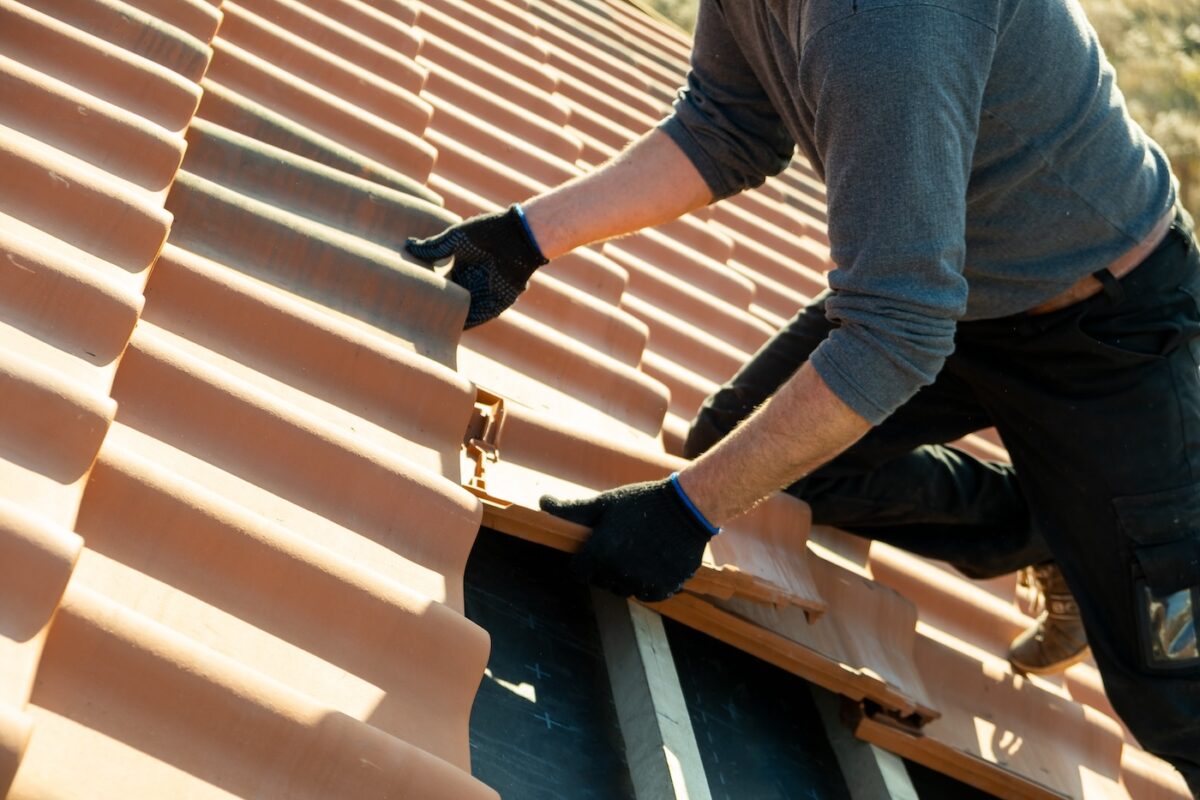
Because tile roofing materials are heavier and more fragile than some other roofing systems, repairs require specialized techniques and careful handling. Roof tiles are heavy and should generally be stepped on near the lower third during maintenance to help reduce the risk of cracking adjacent tiles.
Many tile roof repair projects involve more than simply replacing broken tiles. Contractors may also need to inspect flashing, underlayment, roof decking, and drainage systems to identify hidden damage, which is why homeowners should work with an experienced roofing company in Alpine.
8 Common Tile Roof Problems
Tile roofs are durable, but several issues can develop over time due to weather exposure, age, and installation problems. Below are eight common repair issues homeowners should understand.
1. Cracked or Broken Roof Tiles
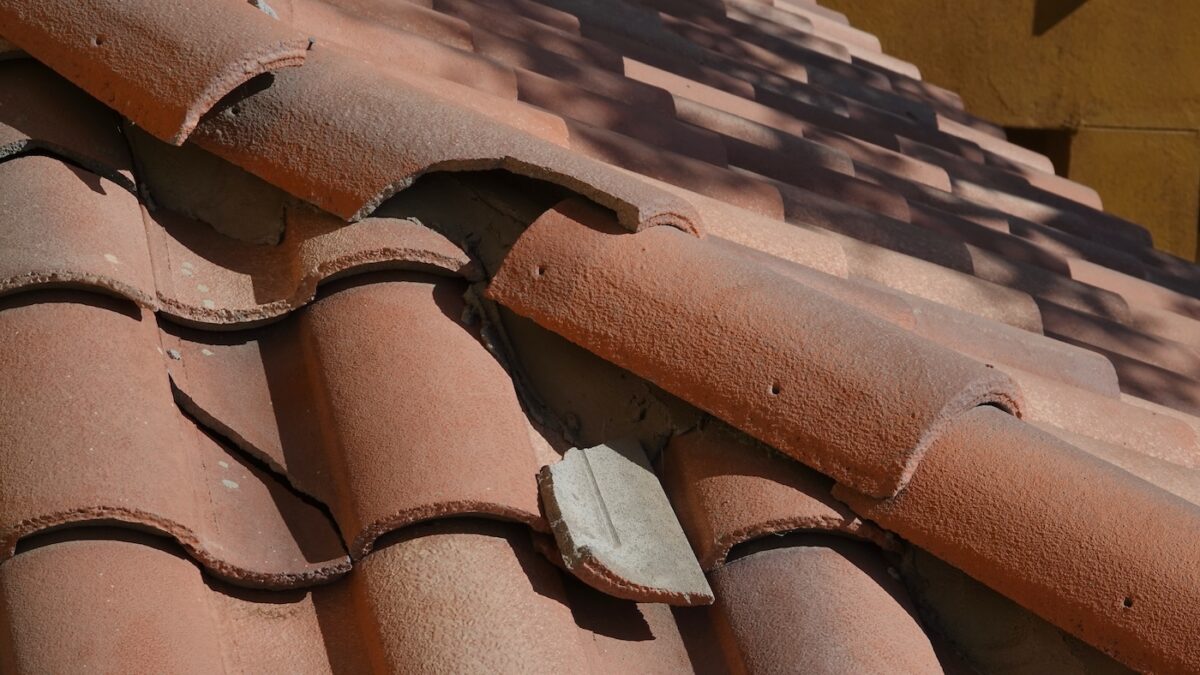
Roof tiles can crack from falling debris, severe weather, or foot traffic during maintenance work.
- Impact damage: Falling branches or debris may crack tiles.
- Foot traffic issues: Improper walking can damage fragile sections.
- Leak risks: Broken tiles expose the underlayment to moisture.
2. Underlayment Failure
The roof underlayment beneath the tiles acts as the primary waterproof barrier for the roof.
- Aging materials: Older underlayment can dry out and deteriorate.
- Water intrusion: Failed underlayment may lead to interior leaks.
- Hidden damage: Problems may develop beneath otherwise intact tiles.
3. Flashing Problems
Roof flashing around chimneys, valleys, and vents may deteriorate over time.
- Rust or corrosion: Metal flashing can weaken after years of exposure.
- Loose flashing: Wind or aging sealants may create gaps.
- Leak development: Water may enter vulnerable roof transitions.
4. Slipped Roof Tiles
Tiles may shift or slide out of position due to broken fasteners or structural movement.
- Improper attachment: Fasteners may loosen over time.
- Storm movement: High winds can displace roofing materials.
- Exposed roof areas: Gaps increase moisture exposure.
5. Moss and Debris Buildup
Organic debris can trap moisture on tile roofs and contribute to deterioration.
- Moisture retention: Wet debris increases mold and mildew risks.
- Drainage issues: Debris may block water flow pathways.
- Surface wear: Organic growth may affect tile appearance over time.
6. Roof Valley Damage
Roof valleys channel large amounts of rainwater and often experience accelerated wear.
- Heavy water flow: Valleys handle concentrated runoff.
- Flashing stress: Valley flashing may weaken over time.
- Leak potential: Damaged valleys commonly develop leaks.
7. Structural Movement
Homes naturally shift over time, which can affect tile roof alignment.
- Foundation settling: Movement may stress roofing materials.
- Tile displacement: Shifting structures can crack or loosen tiles.
- Roof stress: Structural movement may affect waterproofing performance.
8. Poor Previous Repairs
Improper repair work can create larger roofing problems later.
- Mismatched materials: Incorrect replacement tiles may not fit properly.
- Weak waterproofing: Poor sealing increases leak risks.
- Recurring damage: Temporary fixes may fail quickly.
Common Tile Roof Repair Costs
Tile roof repair costs vary depending on the extent of the damage, roofing material, and labor requirements.
| Repair Type | Average Cost Range | Common Cause |
| Tile Replacement | $150–$800 | Cracked or missing tiles |
| Flashing Repair | $300–$1,000 | Rusted or loose flashing |
| Underlayment Repair | $1,500–$7,000 | Aging waterproof barrier |
| Roof Valley Repair | $500–$2,000 | Heavy water wear |
| Leak Repair | $400–$1,500 | Water intrusion issues |
Repair costs may increase if structural repairs, decking replacement, or extensive underlayment work are required.
Common Tile Roofing Materials
Different tile materials offer different advantages related to durability, appearance, maintenance, and repair costs. Understanding the differences can help homeowners choose the right roofing system for their property.
- Clay Tiles: Traditional roofing material known for long lifespan, classic curb appeal, and strong resistance to heat and weather exposure.
- Concrete Tiles: Concrete tiles are a versatile and economical alternative to clay tiles, made from a blend of cement, sand, and water. They can also replicate the appearance of wood, slate, and other roofing styles.
- Slate Tiles: Slate tiles are highly valued for their natural beauty and exceptional longevity, often lasting more than 100 years with proper care. They are also highly resistant to fire and harsh environmental conditions.
- Composite Tiles: Lightweight roofing materials designed to mimic traditional tile appearances while reducing structural weight requirements.
Tiles may also fade over time due to UV exposure, making accurate color matching especially important when replacing damaged sections of the roof or matching brands such as Boral roof tiles.
Signs You May Need Tile Roof Repair
Many tile roof issues develop gradually before major leaks become visible. Homeowners should watch for early warning signs.
- Water stains: Interior ceiling discoloration or moisture spots.
- Visible cracked tiles: Broken or displaced roofing materials.
- Roof leaks: Water entering during storms or heavy rain.
- Mold or mildew: Excess moisture around attic spaces.
- Debris buildup: Organic growth collecting in roof valleys or gutters.
Routine roof inspections help identify these issues before they become expensive repairs, a service every reliable Bonita roofing contractor should offer.
Preparing for Tile Roof Repairs
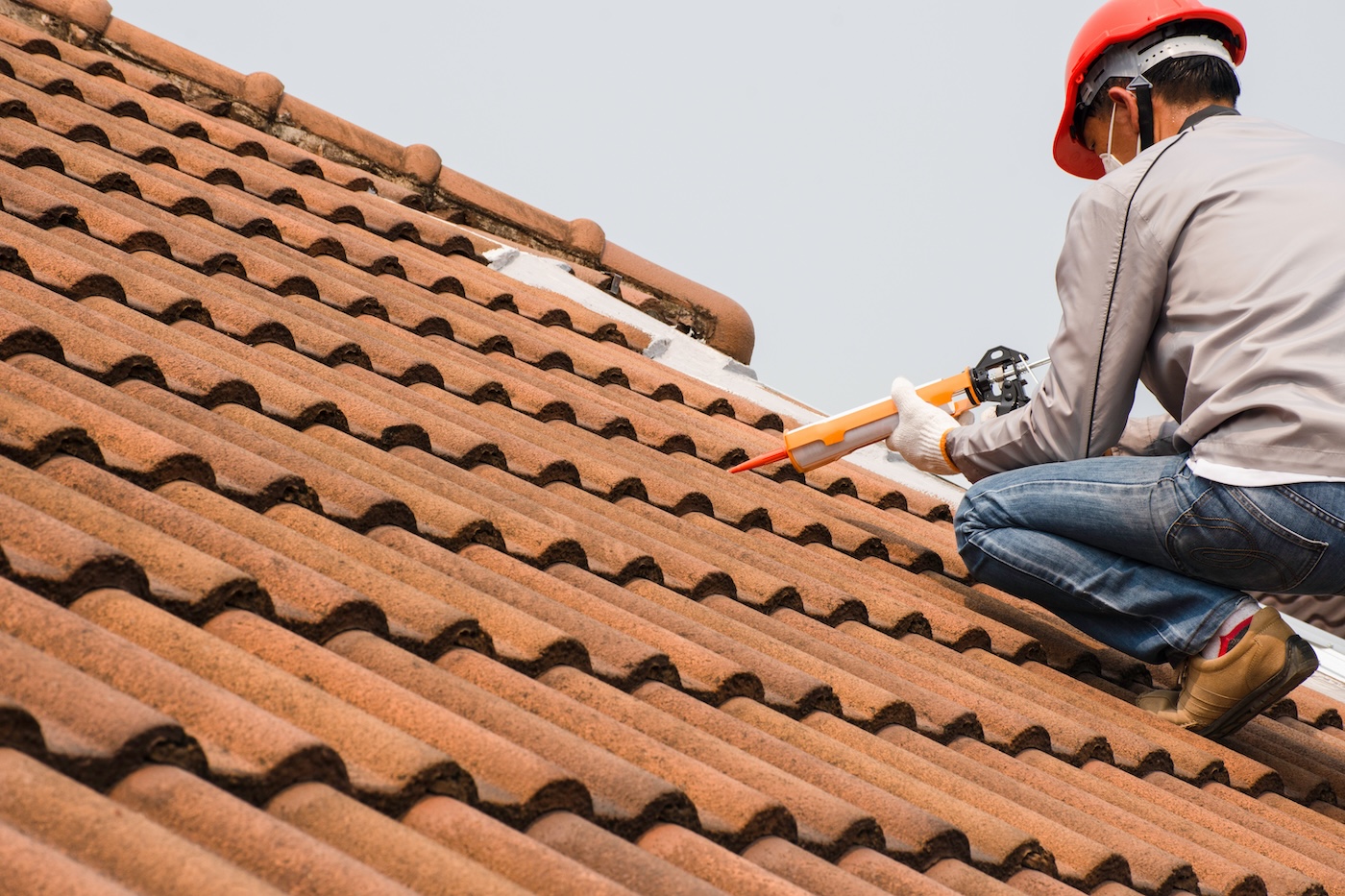
Before starting repairs, homeowners and contractors should gather the necessary tools, materials, and safety equipment to help ensure the process goes smoothly and safely.
- Safety gear: Gloves, harnesses, and protective footwear help reduce injury risks.
- Stable ladder setup: Proper ladder placement improves roof access and safety.
- Replacement tiles: Matching roofing materials help maintain roof appearance.
- Repair materials: Sealants, flashing, and fasteners may be needed during repairs.
- Professional inspection: Roofing contractors can identify hidden structural or waterproofing issues before work begins.
Proper preparation helps reduce delays and improves overall repair quality.
Common Questions About Tile Roof Repair
Tile roof systems are durable, but repairs are still necessary as materials age and weather exposure increases over time. Understanding common repair concerns helps homeowners protect their roof and avoid larger structural problems.
How long do tile roofs last?
According to the National Roofing Contractors Association, clay tile and certain metals can last significantly longer than the average 20-year roof lifespan, with actual service life determined by local climate conditions, material quality, proper installation, and adequate maintenance — all factors that make routine inspections essential for maximizing tile roof performance. Clay and concrete tile systems are known for their long-term durability when properly maintained.
Can individual roof tiles be replaced?
Yes. In many cases, roofing contractors can replace cracked or broken tiles without replacing the entire roofing system. Prompt tile replacement helps prevent leaks and protects the underlayment beneath the roof.
Is tile roof repair expensive?
Repair costs vary depending on the type of damage, roof accessibility, and whether underlayment or structural repairs are needed. Minor tile replacement is usually far less expensive than full roof replacement.
How often should tile roofs be inspected?
Most roofing professionals recommend inspecting tile roofs at least once per year and after severe storms. Routine inspections help identify cracked tiles, flashing issues, and waterproofing problems early.
Reliable Tile Roofing Services from Streamline Roofing
Tile roofing systems provide durability, curb appeal, and long-term value when properly maintained. At Streamline Roofing, our experienced roofing pros provide inspections, tile roof repair services, maintenance, and roof replacement solutions designed to protect your home for years to come, including tile roofing in Chula Vista.
We’re proud to serve homeowners in El Cajon, CA, and nearby communities with dependable tile roofing services. If you’re dealing with leaks, cracked roof tiles, or aging underlayment, contact Streamline Roofing today to schedule a consultation.