Commercial Roofing
Waterproof Roofing: 4 Systems for Heavy Rain Season
When storms line up one after another, the difference between a dry home and a dripping ceiling often comes down to what’s underneath your roof covering. Waterproof roofing isn’t just about the tiles or shingles you see from the street. It’s a complete system of materials that work together to keep water moving off your home instead of into it. In Chula Vista and across San Diego County, roofs spend most of the year baking in the sun, then suddenly face heavy rain that tests every seam and fastener. Choosing the right system, and the right products behind it, makes all the difference. Working with a team that specializes in roof replacements built for heavy rain helps you choose a system that handles water the way it should.
Here’s what this guide covers:
- What waterproofing really means: The layers that keep rain out of your home.
- Four proven systems: The best options for heavy rain in Southern California.
- Side by side comparison: How each system stacks up on protection and upkeep.
- Warning signs: Clues that your roof isn’t ready for the rainy season.
- Common questions: Straight answers about waterproofing and upgrades.
What Makes a Roof Truly Waterproof
Waterproof roofing is a complete roof system designed to stop water from reaching the roof deck and the inside of your home. It combines a weather resistant covering, a waterproof underlayment or membrane, sealed flashing, and proper drainage. No single material keeps a roof dry on its own. A watertight roof depends on several layers doing their jobs at the same time, and a weakness in any one of them can undermine the entire waterproofing process.
- Roof covering: Tile, shingles, or membranes form the first barrier and shed most of the water.
- Underlayment: This layer beneath the covering is the true moisture barrier that catches water that gets past the surface.
- Flashing: Metal pieces seal valleys, walls, parapet walls, chimneys, and vents where leaks most often begin.
- Drip edge and gutters: These guide water off the roof and away from fascia and walls.
Getting these details right matters because water damage adds up fast. According to FEMA’s FloodSmart program, just one inch of water in a typical home can cause up to $25,000 of damage. A roof leak that soaks insulation, drywall, and flooring over several storms can quickly lead to some of the most costly repairs a homeowner faces.
4 Waterproof Roofing Systems for Heavy Rain Season
Each of the systems below can provide excellent protection when it’s installed correctly. The best choice depends on your roof’s pitch, your home’s style, and how much maintenance you want to take on. As a quick rule, sloped roofs do best with tile or architectural shingles over a high quality underlayment, while flat and low slope roofs need a continuous membrane such as TPO, PVC, or torch down modified bitumen.
1. Clay or Concrete Tile With Upgraded Underlayment
Tile is one of the most popular roofing choices in Southern California, and it lasts for decades. The tile itself sheds water well, but the underlayment beneath it does most of the waterproofing work.
- Long lasting covering: Clay and concrete tiles resist sun, heat, and fire.
- Underlayment matters most: Upgrading to a heavier or synthetic underlayment adds a stronger barrier against leaks.
- Repair friendly: Tiles can often be removed and reinstalled when the underlayment needs replacing.
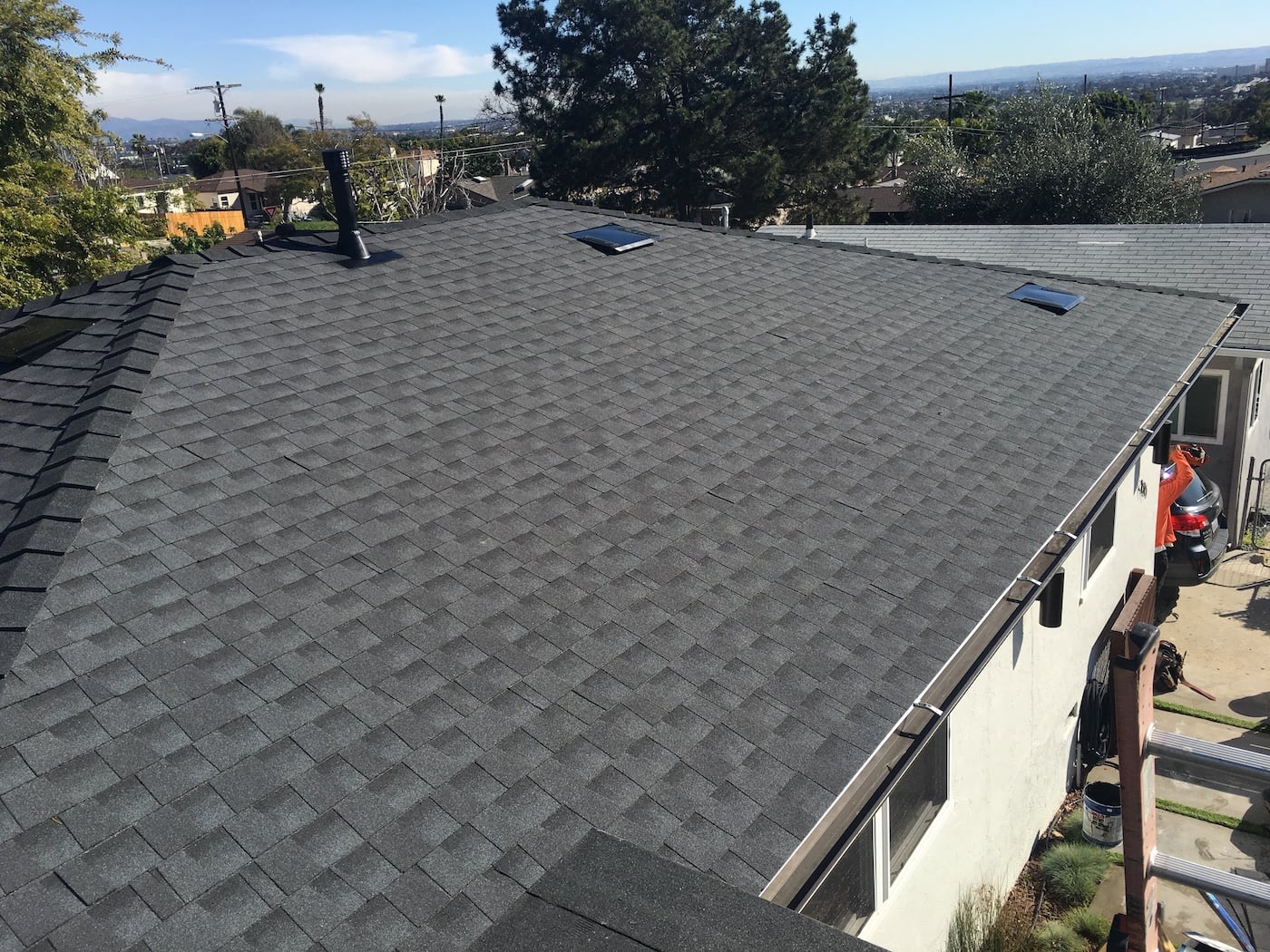
2. Architectural Asphalt Shingles With Synthetic Underlayment
Architectural shingles are thicker and more dimensional than older 3 tab styles. Paired with a synthetic underlayment, they create a dependable system for homes with a moderate to steep pitch.
- Sealed edges: Adhesive strips bond shingles together to resist wind driven rain.
- Synthetic protection: Synthetic underlayment resists tearing and moisture better than traditional felt.
- Cost effective: Shingle systems typically cost less upfront than tile.
3. TPO and PVC Single Ply Membranes
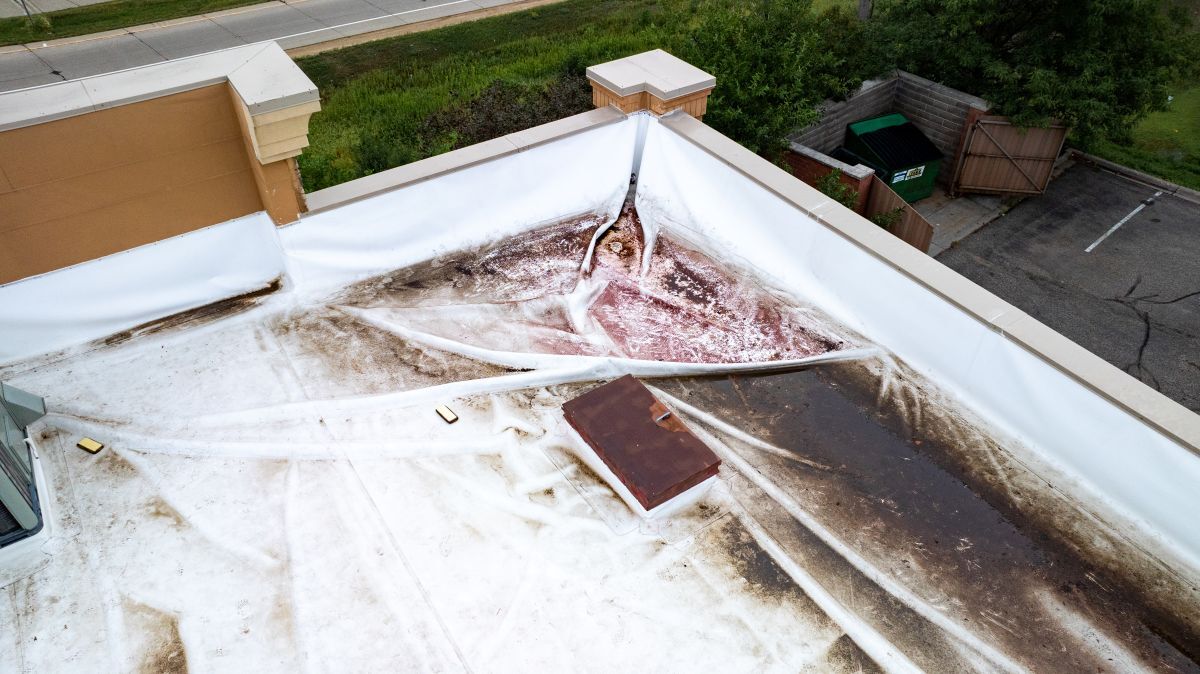
For flat and low slope roofs, single ply roofing is among the most watertight options available. Sheets are welded together with hot air, creating one continuous surface.
- Welded seams: Fused joints are far less likely to leak than glued or lapped seams.
- Reflective surface: White membranes help keep homes cooler during sunny months.
- Ponding resistance: These membranes hold up well where water is slow to drain.
4. Torch Down Modified Bitumen
Torch down roofing bonds layers of reinforced asphalt material to the roof with heat. The result is a thick, durable surface that has protected low slope roofs for generations.
- Multiple layers: Layered sheets add redundancy if the top surface is damaged.
- Durable surface: It handles foot traffic and rooftop equipment well.
- Fused laps: Heat fused seams create a tight bond between sheets.
Comparing Waterproof Roofing Systems
Seeing these options side by side can help narrow down the right fit for your home. Remember that installation quality affects waterproofing as much as the material itself, while roof pitch and roof size play a big role in cost.
| System | Best For | Primary Water Barrier | Maintenance |
| Tile with upgraded underlayment | Steep roofs and Spanish or Mediterranean style homes | Underlayment beneath the tile | Replace cracked tiles and monitor underlayment age |
| Architectural shingles | Moderate to steep roofs on a budget | Sealed shingles and synthetic underlayment | Check for lifted or missing shingles after storms |
| TPO or PVC membrane | Flat and low slope roofs | Welded membrane surface | Keep drains clear and inspect seams |
| Torch down modified bitumen | Low slope roofs with foot traffic | Layered, heat fused sheets | Inspect laps and recoat as needed |
Signs Your Roof Isn’t Ready for Heavy Rain
Many roofs look fine from the ground right up until the first big storm. These warning signs suggest it’s time for a roof inspection before the rain arrives.
- Ceiling or attic stains: Old water marks often point to leaks that were never fully repaired.
- Cracked or slipped tiles: Broken tiles expose the underlayment to direct sun and rain.
- Curling or missing shingles: Damaged shingles leave gaps where water can reach the roof deck.
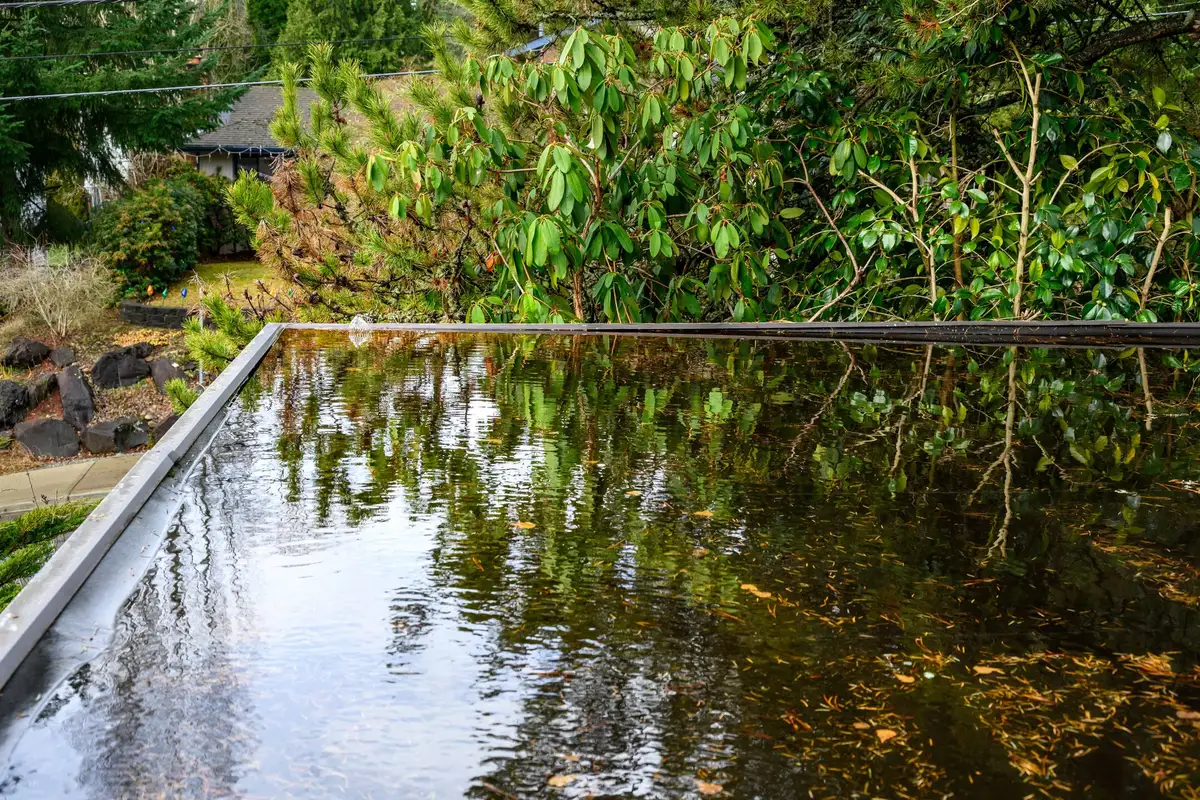
- Standing water on flat roofs: Ponding that lasts days after rain signals drainage problems.
- Rusted or loose flashing: Worn flashing around vents, walls, and chimneys is a common leak source.
We’re proud to serve home and business owners in Chula Vista, CA, and nearby communities with tile, shingle, and flat roof systems and more. Our team understands how long dry stretches followed by heavy storms affect roofing materials, and we recommend systems built to handle both.
Common FAQs About Waterproof Roofing
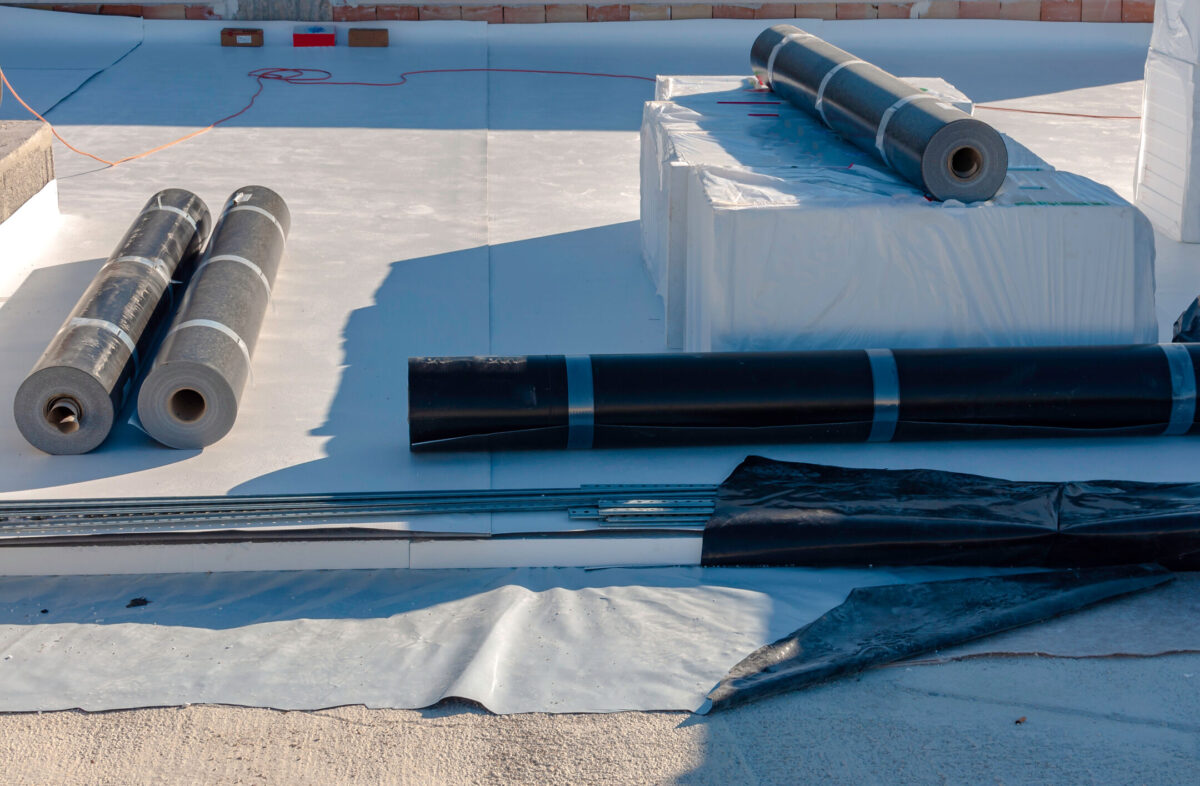
Homeowners preparing for the rainy season often have similar questions about keeping their roofs watertight. Here are answers to a few of the most common ones.
Is any roof completely waterproof?
A properly installed roofing system can keep water out very effectively, but no roof stays waterproof forever without care. Materials age, sealants dry out, fasteners loosen, and storms can cause unexpected damage. The goal is a system with several layers of protection so that if one part weakens, another can still stop water from reaching your home. Regular inspections and timely repairs are what keep a well built roof performing the way it should year after year, especially during heavy rain.
What is the difference between waterproof and water resistant roofing?
Water resistant materials shed most of the water that hits them, while waterproof layers block water from passing through entirely. Tile and shingles are water resistant coverings that direct rain down the roof, but they rely on underlayment and flashing beneath them to stop water that slips past. Membrane systems like TPO, PVC, and modified bitumen act as continuous waterproof surfaces. Understanding the difference helps explain why the hidden layers of your roof matter just as much as what you can see.
Can I improve waterproofing without replacing my whole roof?
Often, yes. Depending on the condition of your existing roof, a roofing contractor may be able to replace damaged tiles or shingles, reseal flashing, repair membrane seams, or clear drainage problems without a full roof replacement. On some flat roofs, liquid applied membranes can add a seamless layer of protection, although a liquid membrane only works well when the surface beneath it is still sound. A reflective roof coating can also help on flat and low slope roofs by sealing small surface cracks and adding an extra layer of protection against sun and rain. On tile roofs, the tiles can sometimes be lifted so worn underlayment can be replaced, then reinstalled. These targeted upgrades can make a big difference before the rainy season. A professional inspection will show whether repairs are enough or a new system makes more sense.
How long does underlayment last under a tile roof?
Tile can last for many decades, but the underlayment beneath it usually wears out much sooner. Heat, age, and constant exposure to small amounts of moisture break it down over time, and once it fails, leaks can start even though the tiles look perfectly fine. That’s why older tile roofs in Southern California sometimes leak without any visible damage on the surface. If your tile roof has been in place for many years, having the underlayment evaluated is one of the smartest steps you can take.
When is the best time to waterproof a roof?
The best time to waterproof a roof in Southern California is late summer through early fall, before the rainy season begins. Dry weather makes it easier to remove old materials, replace underlayment, and seal flashing without exposing your home to rain halfway through the job. Roofing schedules also fill up quickly once the first storms arrive, so booking early gives you more flexibility. If the season has already started, it is still worth acting quickly, since many repairs can be completed between storms on dry days.
Stay Dry This Rainy Season With Streamline Roofing
A truly waterproof roof comes down to the right materials and careful installation. Streamline Roofing installs tile, architectural shingle, TPO, PVC, and torch down systems, so we can recommend the option that fits your home instead of a one size fits all solution. We’re Owens Corning certified, GAF certified for TPO, and IB certified for PVC, with an A+ rating from the Better Business Bureau. Every project starts with a free estimate from our owner, who has been roofing since 2001, followed by a clear proposal the next day. During the rainy season, we also keep emergency repair crews on call. Plan your roof upgrade with our team and head into the next storm knowing your home is protected.