Roofing
What Are Wind Gusts? 6 Signs They Already Damaged Your Roof
A calm afternoon can turn rough in minutes when strong bursts of wind start rattling windows and bending trees. If you’ve ever checked a forecast and wondered what are wind gusts and why they matter more than the average wind speed, you’re not alone. Gusts are short, powerful spikes in wind that hit your roof harder than steady breezes, and they’re often what lifts shingles, cracks tiles, and loosens flashing. Homeowners in El Cajon know this well, since Santa Ana winds can sweep through the valley with little warning. The tricky part is that wind damage isn’t always obvious from the ground. Knowing the warning signs helps you schedule wind damage roof repairs before the next rain turns a small problem into a leak.
Here’s what this guide covers:
- Wind gusts explained: What gusts are and how they differ from steady wind.
- Wind terms compared: Common forecast terms and what they mean for your roof.
- Six warning signs: Clues that gusts have already damaged your roof.
- Next steps: What to do after a windstorm.
- Common questions: Straight answers about wind damage and repairs.
What Are Wind Gusts?

Wind gusts are a sudden increase in wind speed, usually lasting just a few seconds, that rises well above the steady, average wind. The National Weather Service defines a wind gust as a rapid fluctuation in wind speed with a variation of 10 knots or more between peaks and lulls, which works out to about 11.5 miles per hour or 18.5 km/h. In other words, a gust is the jolt of wind that suddenly pushes much harder than the breeze around it.
Those quick jolts are what make gusts so hard on roofs. Steady wind presses evenly, but gusts pull and push in bursts and can shift wind direction quickly, working at shingle edges, tile corners, and loose flashing until something gives.
- Uplift: Wind moving over the roof creates suction that can pull shingles and tiles upward.
- Repeated stress: Each burst flexes roofing materials, weakening sealant and fasteners over time.
- Flying debris: Gusts can carry branches and loose objects that strike and crack roofing materials.
- Edge exposure: Corners, ridges, and roof edges catch the strongest forces first.
Wind Gusts vs. Sustained Winds and Other Wind Terms
Weather stations record wind measurements around the clock, and measuring wind speed in different ways helps forecasters describe what’s coming. Each term tells you something different about the risk to your roof, and this quick comparison makes them easier to understand.
| Term | What It Means | Why It Matters for Your Roof |
| Sustained wind speed | The average wind speed measured over a set period of time | Shows the steady pressure your roof faces during a storm |
| Wind gust | A brief spike well above the sustained speed | Most likely to lift shingles, tiles, and flashing |
| Peak gust | The highest gust recorded during an event, well above the average speed | A useful clue when checking whether damage is likely |
| Santa Ana winds | Dry, gusty winds that blow from inland toward the coast | Can loosen materials and dry out sealants in the fall |
| Straight line winds | Strong winds that push in one direction, often from storms, without rotating | Can tear off roofing materials and topple trees onto homes |
| Wind advisory | An alert issued when winds or gusts are strong enough to cause problems | A signal to secure loose items and check your roof afterward |
6 Signs Wind Gusts Already Damaged Your Roof
Wind damage often hides in plain sight, especially on roofs you can’t easily see from the ground. These six signs are the ones roofers find most often after a gusty storm.
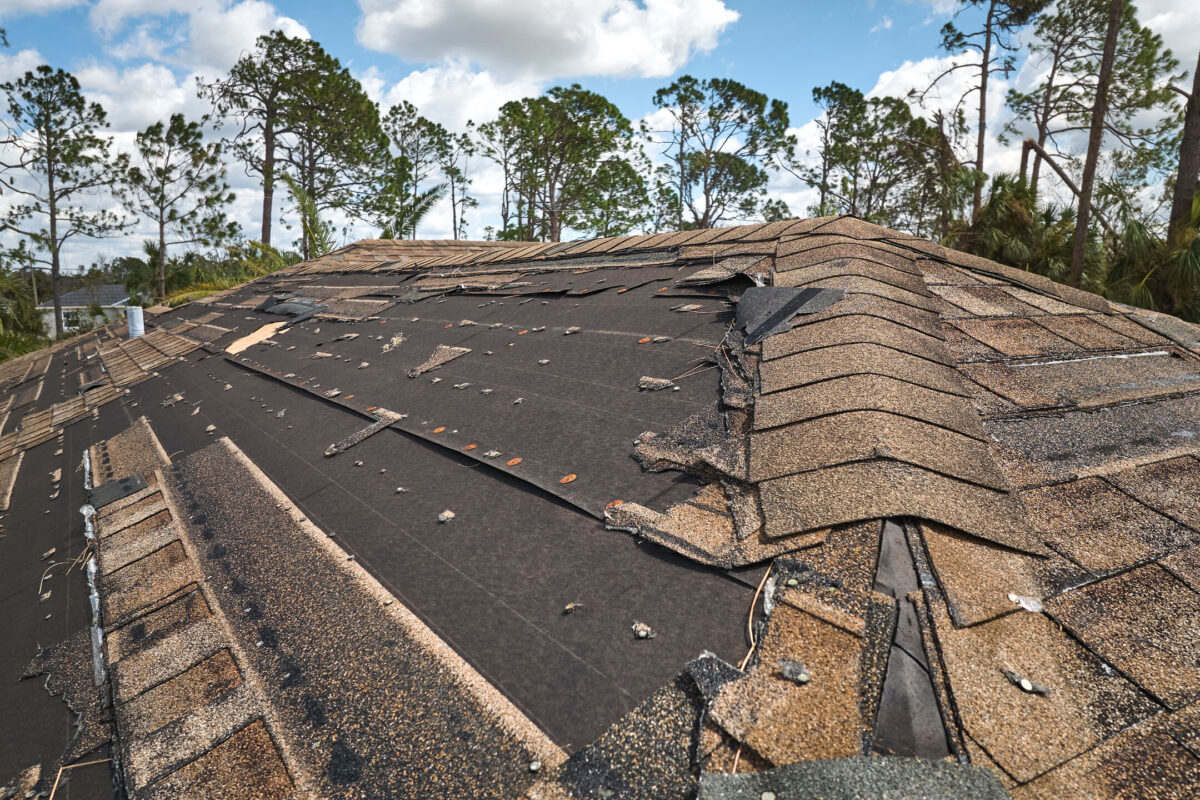
1. Missing, Lifted, or Creased Shingles
Gusts can break the seal between shingles and bend them backward. Even if a shingle drops back into place, the crease it leaves behind becomes a weak spot.
- Missing pieces: Bare patches expose underlayment to sun and rain.
- Creased tabs: A visible horizontal line means the shingle was folded by the wind.
- Raised edges: Shingles that no longer lie flat are likely to tear off in the next storm.
2. Cracked or Shifted Roof Tiles
Tile roofs are sturdy, but strong gusts and flying debris can still crack or move individual tiles. Once a tile shifts, water can reach the underlayment below.
- Broken tiles: Cracks and missing corners are common after windstorms.
- Slipped tiles: Tiles that sit out of line with their neighbors may have lost their fasteners.
- Loose ridge tiles: The peak takes the brunt of the wind and often shows damage first.
3. Debris in the Yard or Gutters
What you find on the ground can tell you a lot about what happened overhead. A quick walk around your home after a windy day is one of the easiest ways to spot trouble.
- Shingle or tile pieces: Fragments on the ground almost always mean damage on the roof.
- Heavy granule buildup: Granules in gutters suggest shingles were scraped or loosened.
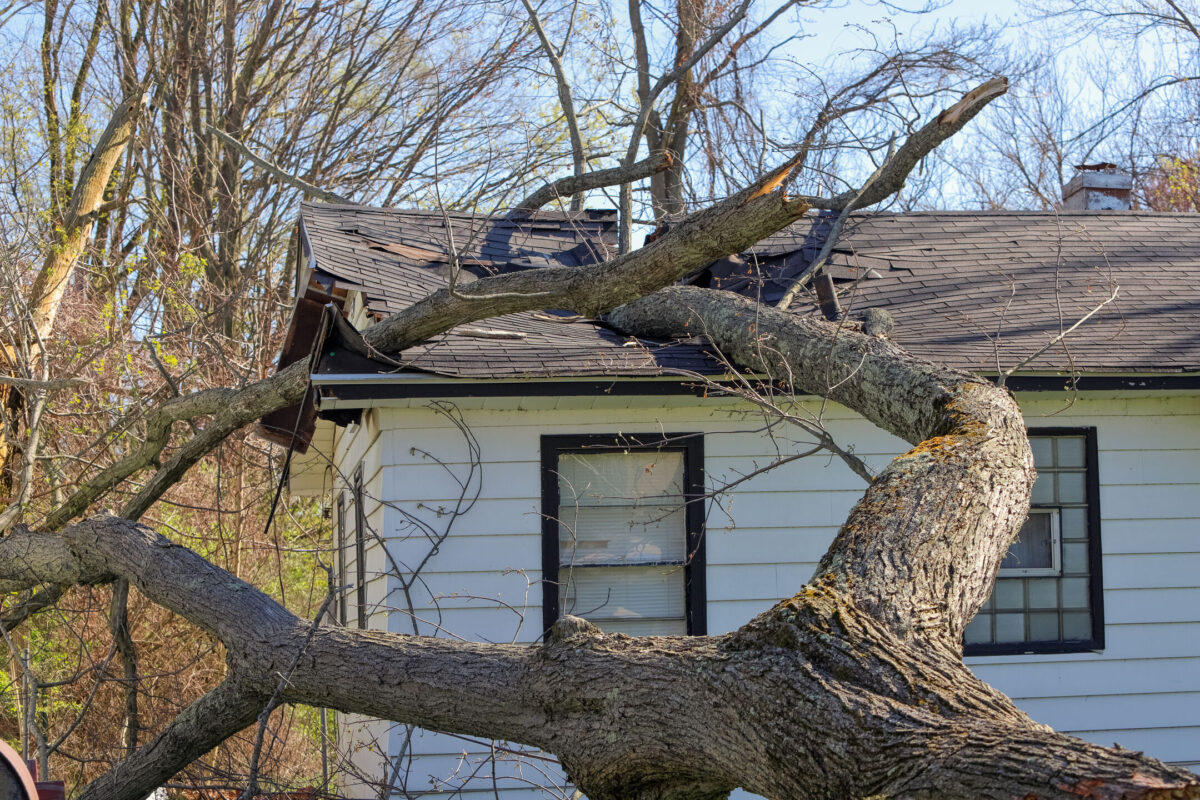
- Fallen branches: Limbs near the house may have struck the roof on the way down.
4. Leaks, Stains, or Daylight in the Attic
Some wind damage only shows up from the inside. Checking your attic and ceilings after a storm can reveal problems that are invisible from the street.
- Water stains: New spots on ceilings or walls point to fresh leaks.
- Daylight: Light showing through the roof deck means openings that water can also reach.
- Damp insulation: Wet or matted insulation often signals a slow leak.
5. Loose Flashing or Ridge Caps
Flashing and ridge caps protect the seams where leaks are most likely to start. Because they sit along edges and peaks, they take some of the strongest wind forces on the roof.
- Bent or lifted flashing: Metal pulled away from walls, chimneys, or vents leaves an open path for water.
- Missing ridge caps: Gaps along the peak expose the seam where two roof slopes meet.
- Cracked sealant: Repeated gusts can break the seal around flashing and roof penetrations.
6. Damaged Gutters, Vents, or Fascia
Wind damage isn’t limited to the roof surface. Gusts often catch the parts attached to the roof edge, and problems there can quickly affect drainage.
- Sagging gutters: Gutters pulled loose from the fascia can no longer carry water away properly.
- Dented or missing vents: Damaged roof vents can let rain and pests into the attic.
- Loose fascia boards: Gaps along the roof edge expose rafter tails and the roof deck to moisture.
We’re proud to serve home and business owners in El Cajon, CA, and nearby communities with wind damage repairs, reroofs, and more. Our crews know how hard Santa Ana gusts can hit inland valleys, and we check every vulnerable edge, ridge, and flashing detail during an inspection.
Common FAQs About Wind Gusts and Roof Damage
Windstorms leave many homeowners unsure whether their roof is okay. Here are answers to a few of the most common questions.
What wind speed can damage a roof?
There’s no single number that applies to every roof, because age, materials, and installation quality all play a role. A newer, well sealed roof can handle strong gusts, while an older roof with brittle shingles or loose tiles can be damaged by much weaker wind. Roof edges, corners, and ridges are usually the first areas to fail. If a storm brings gusts strong enough to snap branches, knock down power lines, or move outdoor furniture, it’s a good idea to check your roof or schedule an inspection.
Should I get my roof inspected after a windstorm?
Yes, especially if the storm brought strong gusts or you notice debris around your home. Many types of wind damage, like creased shingles or broken seals, are hard to see from the ground but can lead to leaks during the next rain. A professional inspection can catch these issues early, document damage for insurance if needed, and make sure small repairs are handled before they grow. Never climb onto your roof yourself after a storm, since damaged materials can be loose and slippery.
Can wind damage cause leaks later?
Absolutely. Wind often weakens a roof without causing an immediate leak. A lifted shingle or shifted tile may look fine until heavy rain drives water underneath it weeks or even months later. Broken sealant strips and loosened nails also let water creep in slowly over time, which can damage the roof deck, insulation, and ceilings before you notice a problem. That delay is why it’s smart to have your roof checked soon after a major windstorm rather than waiting for a drip.
Does homeowners insurance cover wind damage to a roof?
Many homeowners insurance policies cover sudden wind damage, but coverage varies, so it’s important to review your specific policy. Insurers may deny claims tied to normal wear, old materials, or lack of maintenance, which is why documenting your roof’s condition matters. After a storm, take photos of any visible damage and keep records of repairs. A professional inspection report can also help explain what happened and when. If you’re unsure about your coverage, your insurance agent can walk you through the details.
What are Santa Ana winds?
Santa Ana winds are strong, dry winds that blow from the deserts and inland areas of Southern California toward the coast, most often in the fall and early part of the year. They are known for powerful gusts that funnel through canyons and valleys, which is why inland communities often feel them most. Along with raising fire danger, these winds can loosen roofing materials, dry out sealants, and scatter debris. Checking your roof after a Santa Ana event helps catch damage before the rainy season.
Protect Your Home From Wind Damage With Streamline Roofing
Wind gusts can do a lot of damage in a short time, and the effects often don’t show up until the next storm. Streamline Roofing helps homeowners find and fix wind damage early, from lifted shingles and cracked tiles to loose ridge caps and flashing. Every project starts with a free estimate from our owner, who has been roofing since 2001 and will show you exactly what he finds. You’ll receive a clear proposal the day after your inspection, and during the rainy season we keep emergency repair crews on call. As Owens Corning certified installers with an A+ rating from the Better Business Bureau, we’re committed to quality on every roof. Schedule a roof check after the next big wind and keep your home protected through every season.