Roofing
Clay Roof Tiles: Are They the Right Choice for Your Home?
If you’re exploring premium roofing options with standout longevity and style, clay roof tiles might be high on your list. These classic materials offer a timeless look, unmatched durability, and built-in energy efficiency. But before committing to a tile roof, it’s important to understand the full scope of what they offer, and whether they suit your climate, budget, and home structure.
• Lifespan advantage: Clay tiles can last 50–100 years or more with minimal maintenance.
• Architectural style: Ideal for Mediterranean, Spanish, and Southwestern homes.
• Energy savings: Naturally insulate your roof and reduce heat transfer.
• High upfront costs: Material and labor can be significantly higher than asphalt.
• Weight concerns: Requires proper structural support.
• Low maintenance: Clay is fire-resistant and doesn’t rot or attract pests.
Clay tiles offer strong benefits, but they aren’t the right choice for every home. Here’s what you need to know to make an informed decision.
Key Features That Make Clay Roof Tiles Stand Out
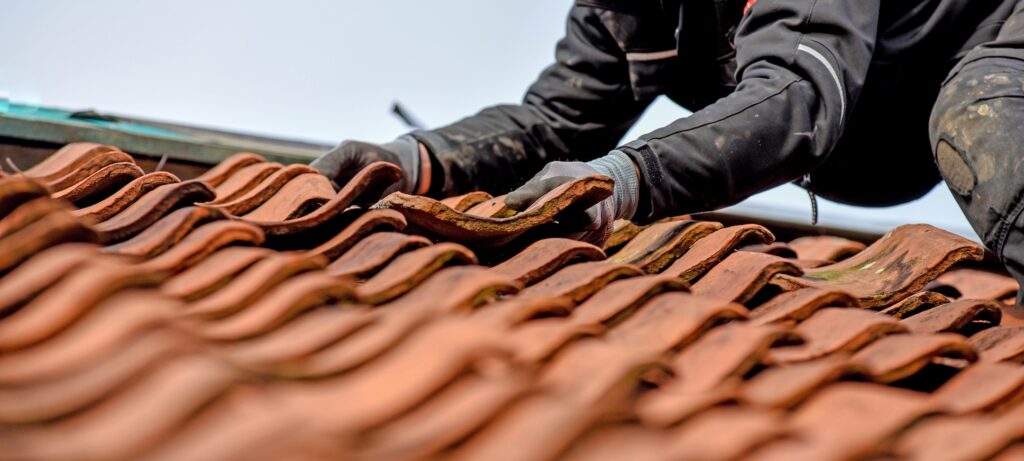
Clay roofing tiles have been used around the world for centuries. Their durability, style, and thermal performance are hard to beat. Unlike asphalt shingles that may wear out in 20–30 years, clay provides decades of reliability and visual appeal. And because they’re made from natural materials like terra cotta, they’re also environmentally friendly and recyclable at the end of their lifespan.
Their baked ceramic finish resists fading, and they stand up well to intense sun and heat—making them a great fit for warm climates like Southern California. Roofing manufacturers continue to expand the variety of clay roof tile profiles to suit both traditional and modern homes.
6 Pros and Cons of Clay Roof Tiles
This breakdown covers the most important things to know about clay roof tiles so you can decide if they’re the right fitfor your home. These tiles appeal to homeowners alike who want a mix of performance, appearance, and a timeless tradition that enhances curb appeal.
1. Longevity: Clay lasts longer than most roofing materials
Clay tiles are known for exceptional longevity. They can often last 50 to 100 years or more with proper installation and minimal maintenance, far outlasting most other options.
• Long-term investment: Offers decades of performance
• Outlives other materials: Often surpasses the lifespan of asphalt and wood
• Great for forever homes: Ideal if you’re planning to stay long-term
2. Durability: Strong against fire, pests, and rot
Thanks to their natural composition, clay tiles are incredibly durable. They’re non-combustible, pest-resistant, and immune to mold or decay.
• Fire-rated: Provides excellent protection in wildfire-prone areas
• No organic breakdown: Won’t rot like wood or fiberboard
• Ideal for dry, hot climates: Resists sun and UV damage well
3. Aesthetic Value: Great for certain architectural styles
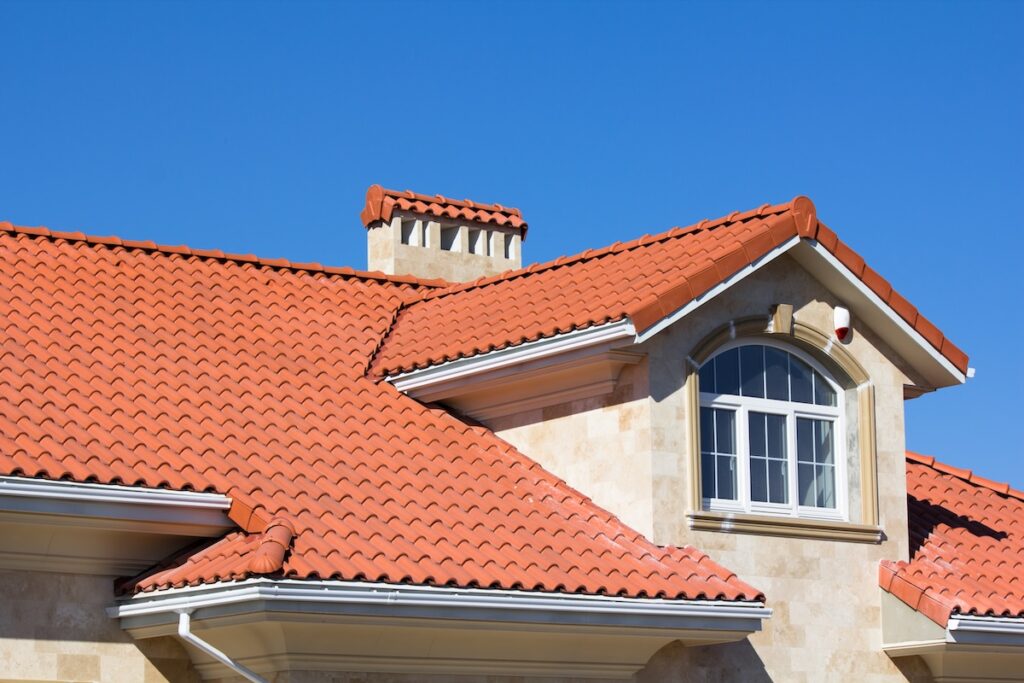
The visual appeal of clay roofing tiles is hard to beat, especially on homes with Mediterranean, Mission, or Spanish-style architecture. Their unique texture and natural coloring offer timeless beauty.
• Timeless appearance: Natural earth tones complement many designs
• Adds curb appeal: Elevates your home’s exterior
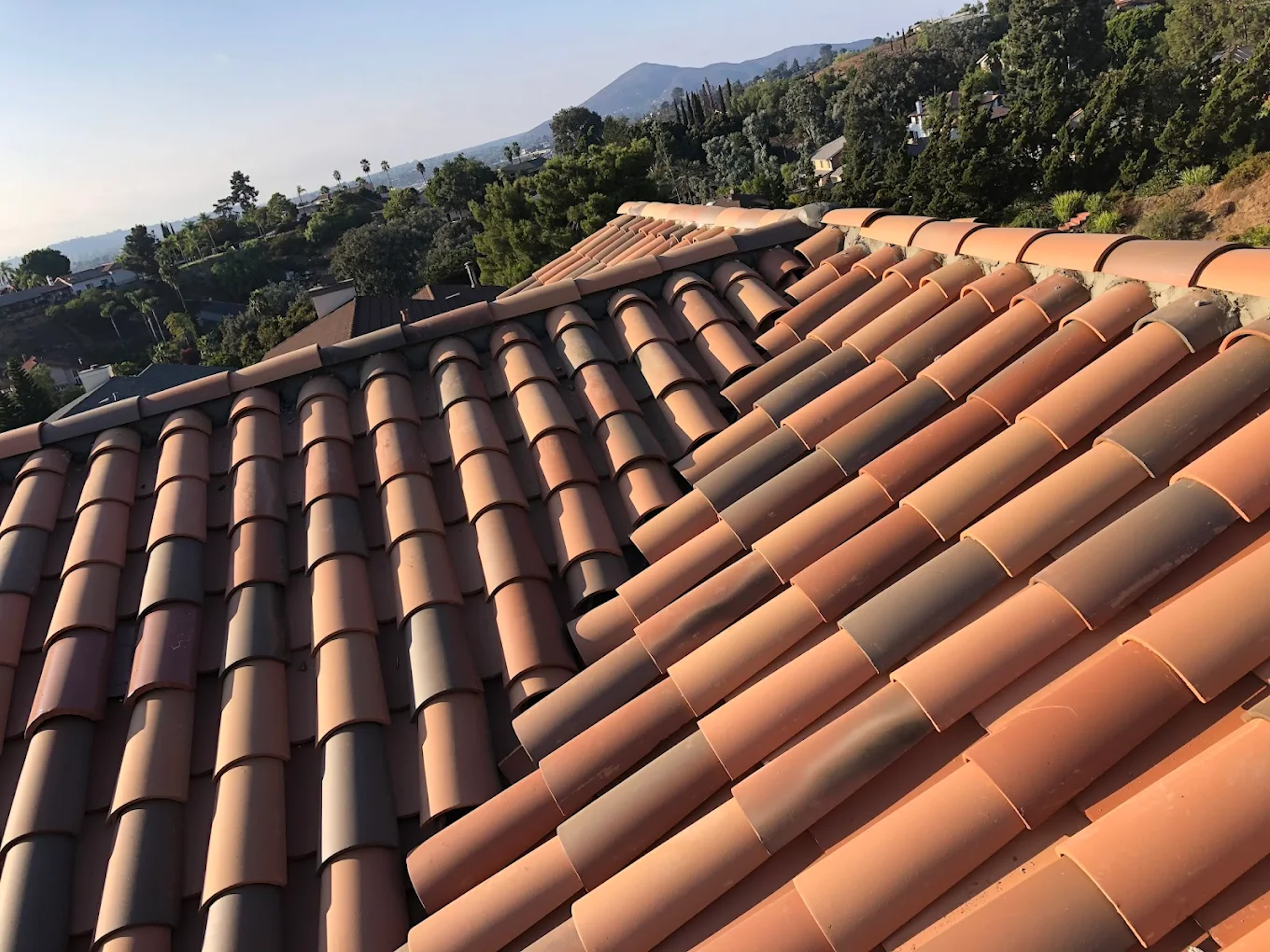
• Variety of shapes: Choose from barrel tile, mission tiles, or flat styles
4. Upfront Cost: One of the more expensive materials
Clay roofs are not cheap, and their installation requires expertise. That said, they can still be a smart investment due to their lifespan and low maintenance needs.
• High initial cost: Materials and labor can be double or triple asphalt
• Long-term value: Lasts decades longer than cheaper alternatives
• May raise property value: Seen as a premium upgrade
5. Weight: May require structural reinforcement
One of the biggest drawbacks of clay is its weight. These tiles are significantly heavier than other materials and often require structural upgrades before installation.
• Structural review needed: May require added supports
• Heaviest residential option: Up to 1,500 lbs. per 100 sq. ft.
• Not ideal for older homes: Can stress existing framing
6. Maintenance: Low, but repairs can be tricky
While clay roofs need little maintenance, cracked or broken tiles must be replaced carefully. Hiring professionals is often necessary.
• Minimal upkeep: No sealing or coating required
• Localized damage: Individual tiles are replaceable
• Professional repairs recommended: Fragile under foot traffic
How Clay Compares to Other Roofing Materials
Before committing to clay, it’s smart to see how it stacks up against other popular materials.
| Material | Average Lifespan | Cost per Sq. Ft. (Installed) | Weight | Style Match |
| Clay Tile | 50–100+ years | $10–$20 | Very Heavy | Spanish, Mediterranean |
| Concrete Tile | 40–75 years | $8–$15 | Heavy | Modern, Spanish |
| Asphalt Shingles | 15–30 years | $3–$6 | Light | All styles |
| Metal Roofing | 40–70 years | $7–$12 | Medium | Contemporary, Rustic |
| Slate | 75–150 years | $15–$30+ | Very Heavy | Historic, Traditional |
Clay sits at the top end of both cost and durability. While it’s not as versatile as asphalt or metal, it excels in design and long-term value—especially in warmer regions. Newer options like interlocking roof tile systems also make installation more efficient while maintaining the classic look.
Common Questions About Clay Roof Tiles
Clay tiles are durable and elegant, but they come with their own considerations. Here are a few of the most common homeowner questions.
Can clay roof tiles break?
Yes, individual tiles can crack from falling branches or foot traffic. However, the structure of the roof remains protected, and damaged tiles are typically easy to replace one at a time.
Are clay tiles energy-efficient?
Yes. Clay tiles reflect sunlight and allow air to circulate underneath, which helps reduce attic temperatures and promotes better energy efficiency year-round.
Do clay tiles need sealing?
In most cases, no. High-quality tiles are kiln-fired and naturally water-resistant. Sealing may only be necessary in specific climates or for added surface protection.
Can I walk on a clay tile roof?
It’s not recommended unless absolutely necessary. The tiles are strong under normal conditions but can crack under concentrated weight. Always hire a professional when roof access is required.
Talk Clay Tile Options with Streamline Roofing
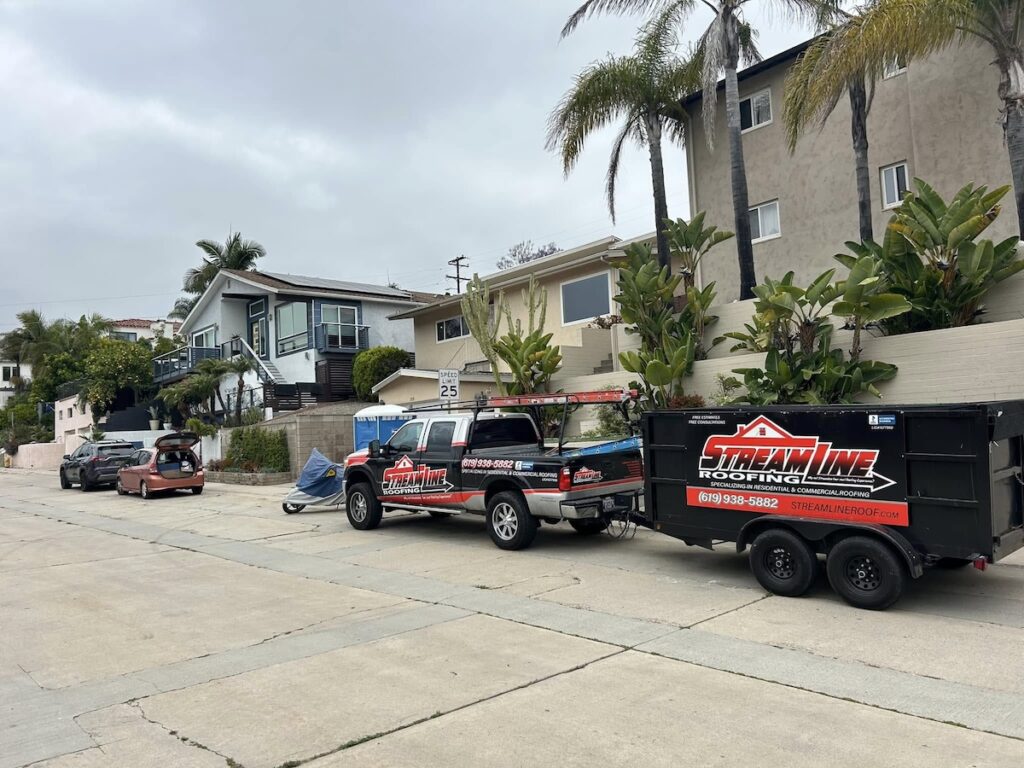
If you love the look and long-term durability of clay roof tiles, Streamline Roofing can help you determine if they’re the right fit for your structure, climate, and budget. Our team walks you through all available styles—from barrel tile and mission tiles to newer clay roof tile profiles—and ensures your home is ready for installation.
Clay roof tiles offer unmatched durability, timeless curb appeal, and long-lasting protection for your home. Whether you’re considering a new installation or replacing an existing roof, our team can help you choose the right materials and ensure expert installation. We’re proud to serve homeowners in Escondido, CA, and surrounding areas with clay tile installation, roof inspections, and expert guidance on material selection. Contact Streamline Roofing today for a free estimate and invest in a roof built to last.