Roofing
Rolled Roofing Guide: What It Is & When to Use It
If you’re searching for an affordable, fast way to cover a low-slope or flat roof, rolled roofing could be the perfect solution. This asphalt-based material is simple to install, cost-effective, and dependable for small structures or short-term protection. Homeowners in El Cajon, CA, often use rolled roofing for garages, sheds, and additions where a full shingle or tile system isn’t necessary. Understanding how it works—and when it makes sense—can help you make an informed choice for your home.
In this guide, you’ll learn:
- Definition: What rolled roofing is and how it differs from shingles
- Advantages: When it’s a smart choice for homeowners
- Installation tips: What to expect during the process
- Maintenance: How to extend its lifespan
- Professional insight: When to call a trusted roofing expert
What Is Rolled Roofing?
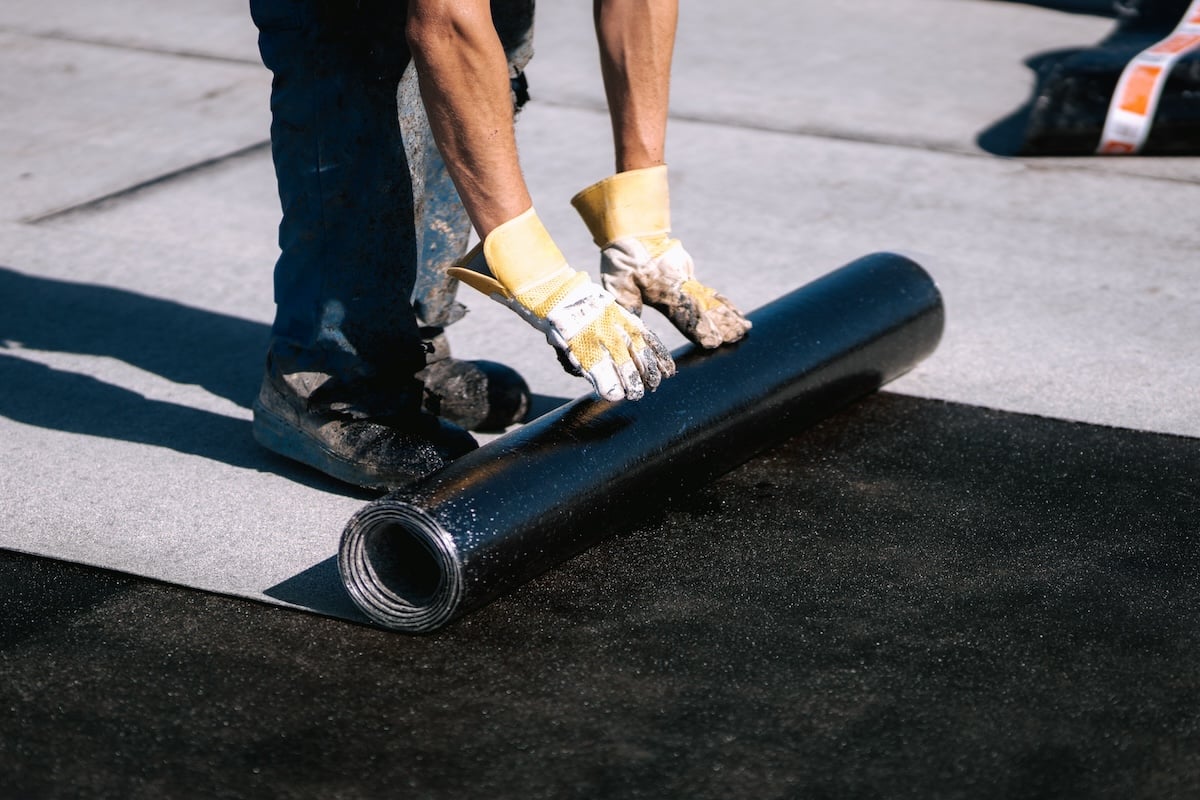
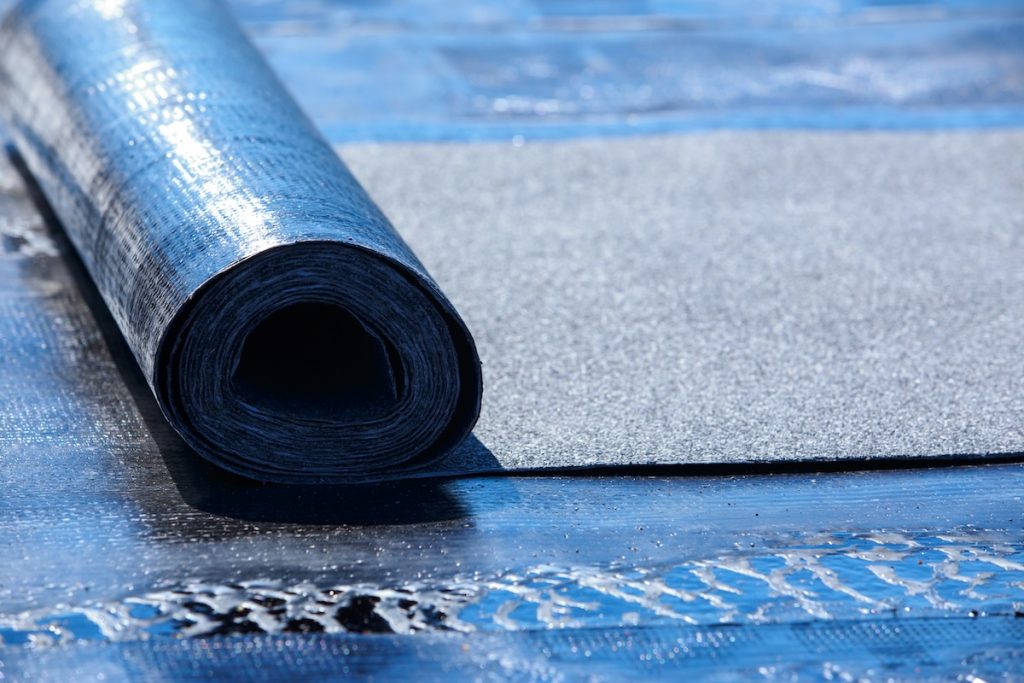
Rolled roofing is a mineral-surfaced asphalt material sold in large, continuous sheets. It’s made from the same base materials as asphalt shingles but designed for quicker installation and lower cost. Each roll is typically 36 inches wide and can cover up to 100 square feet of roof area at once. That makes it ideal for simple, low-slope surfaces that don’t require the layered structure or visual appeal of shingles.
In sunny regions like El Cajon, rolled roofing provides practical weather protection for garages, porches, and small additions. It offers dependable coverage as long as it’s installed correctly and maintained over time.
Common Types of Rolled Roofing
- Saturated felt: A lightweight option often used as a temporary roof covering or underlayment.
- Smooth-surfaced roll: Easy to apply and suitable for low-slope residential roofs.
- Mineral-surfaced roll: The most durable choice, featuring granules that resist UV exposure.
Best Uses
- Detached structures: Garages, sheds, and workshops that need quick, reliable coverage.
- Low-slope roofs: Additions or porches with limited pitch that can’t support shingles.
- Short-term fixes: Temporary protection before a full roof replacement.
5 Key Benefits of Rolled Roofing
While rolled roofing isn’t the right choice for every home, it offers several clear benefits that make it a smart fit for certain projects.
1. Affordability
Rolled roofing provides solid weather protection at one of the lowest price points on the market. For smaller projects or rental properties, it’s a cost-effective way to keep structures dry and secure.
2. Speed of Installation
Because it comes in large rolls, the material covers broad areas quickly. Professional roofers can often complete a rolled roof in a single day, minimizing labor costs and downtime.
3. Low Maintenance
Once properly sealed, rolled roofing requires minimal care beyond occasional inspections. Applying a reflective coating can help resist heat damage and extend its lifespan in sunny climates.
4. Lightweight Material
Its low weight makes rolled roofing ideal for older or smaller structures that might not support the heavier load of tile or architectural shingles.
5. Simple Repairs
When damage occurs, it’s easy to patch problem areas with additional material or roofing cement. Small repairs can often be handled quickly without a full replacement.
When Rolled Roofing Isn’t the Right Choice
Although rolled roofing is convenient, it’s not designed to be a long-term solution for most homes. Its simplicity comes with tradeoffs that homeowners should understand before installation.
- Short Lifespan: Rolled roofing typically lasts between five and ten years, depending on climate and upkeep. In places like El Cajon, constant sunlight can cause materials to dry out and lose flexibility over time.
- Limited Appearance Options: Its flat, industrial look doesn’t match the design of most homes. For main residences, shingles, tile, or metal provide better aesthetic and long-term value.
- Vulnerability at Seams: Because rolls are laid in overlapping sections, seams can lift or crack as the roof expands and contracts. Regular inspections are important to prevent leaks from forming at these weak points.
How Rolled Roofing Is Installed
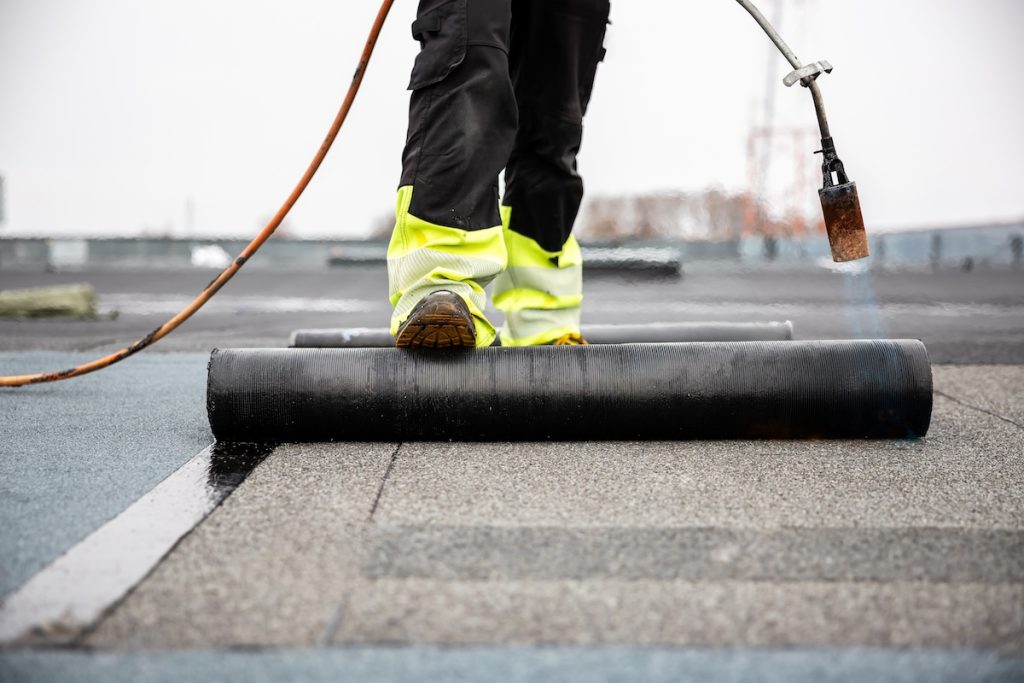
Though some homeowners attempt DIY installation, rolled roofing performs best when handled by professionals. Proper surface preparation, sealing, and drainage setup are key to a long-lasting result. The general process includes:
- Surface preparation: Removing dirt, debris, and loose materials to create a clean base.
- Underlayment placement: Adding a base sheet or felt layer for extra waterproofing.
- Material layout: Rolling out the roofing horizontally across the roof surface.
- Fastening and sealing: Securing edges with nails or adhesive and sealing overlaps.
- Final inspection: Checking seams, edges, and drainage before completing the job.
Comparing Rolled Roofing to Other Options
Each roofing material offers unique strengths and tradeoffs. Here’s how rolled roofing stacks up against other common choices.
Asphalt Shingles
- Longevity: Shingles often last 20–30 years, far exceeding rolled roofing.
- Appearance: Wide color and texture options improve curb appeal.
- Value: Higher upfront cost but stronger long-term return.
Metal Roofing
- Durability: Can last 40–70 years with minimal maintenance.
- Efficiency: Reflects heat and reduces cooling costs.
- Investment: More expensive initially but ideal for permanent structures.
Tile Roofing
- Aesthetic: Offers a timeless, high-end look for California homes.
- Longevity: Can exceed 50 years with proper installation.
- Weight: Requires reinforced support but provides excellent durability.
Maintaining a Rolled Roof
With regular care, rolled roofing can deliver years of leak-free protection. Simple maintenance helps prevent early wear and costly repairs.
- Annual inspections: Check seams, flashing, and edges for cracking or lifting.
- Debris removal: Sweep away leaves and branches to prevent water pooling.
- Timely patching: Seal small holes or tears as soon as they appear.
- Protective coatings: Apply reflective coatings every few years to reduce heat damage.
When to Call a Professional
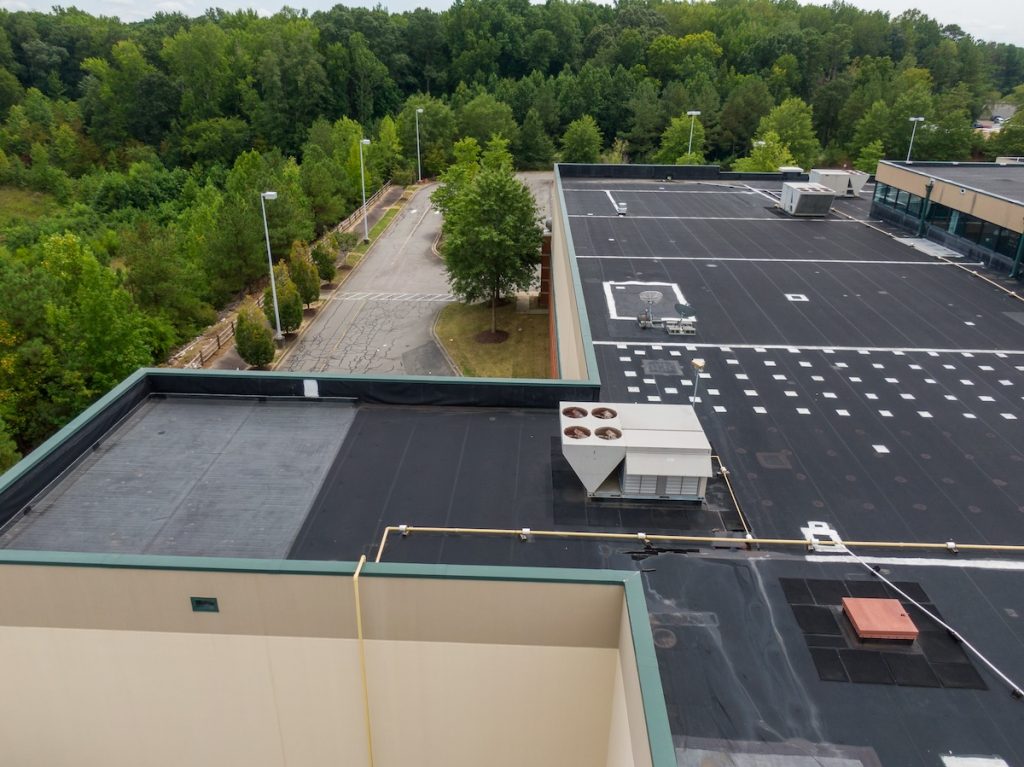
Rolled roofing is simple in design but still requires precision for reliable results. Professional roofers ensure proper slope, sealing, and drainage—details that protect your investment long term. If your roof is aging or showing signs of damage, schedule a professional inspection before the next rainy season. An expert can determine whether rolled roofing is a suitable short-term solution or if a more permanent system will better protect your home.
Why Streamline Roofing Is the Team You Can Trust
At Streamline Roofing, every project is handled with craftsmanship, transparency, and care. As a family-owned company, we believe in honest communication, reliable service, and a commitment to quality over quantity. From repairs to replacements, our owner personally oversees each job to ensure exceptional results.
We’re proud to serve homeowners in El Cajon, CA, and nearby cities with rolled roofing installations, repairs, and full replacements. Whether you need quick protection or long-term solutions, our team is ready to help you make the right choice for your roof. Contact Streamline Roofing today for your free estimate and discover why homeowners across Southern California trust us to protect their homes with quality and care.