

Many homeowners schedule roof inspection services because they want peace of mind—but aren’t sure what the process actually includes. Knowing what to expect during a roof inspection helps you ask the right questions, understand the findings, and avoid surprises down the line.
Here are a few key things to keep in mind before your next inspection:
• Inspections protect your investment: They catch problems before they escalate.
• Not all inspections are the same: Quality and detail depend on the contractor.
• Inspections aren’t just for old roofs: Newer homes benefit from regular checks, too.
• Documentation matters: A written report adds value for future insurance or sale needs.
A proper inspection helps prevent costly repairs, uncovers hidden damage, and ensures your roof is performing as it should—whether you’re prepping for a roofing project, recovering from hail damage, or keeping up with regular roof maintenance.
Why Roof Inspections Are So Important
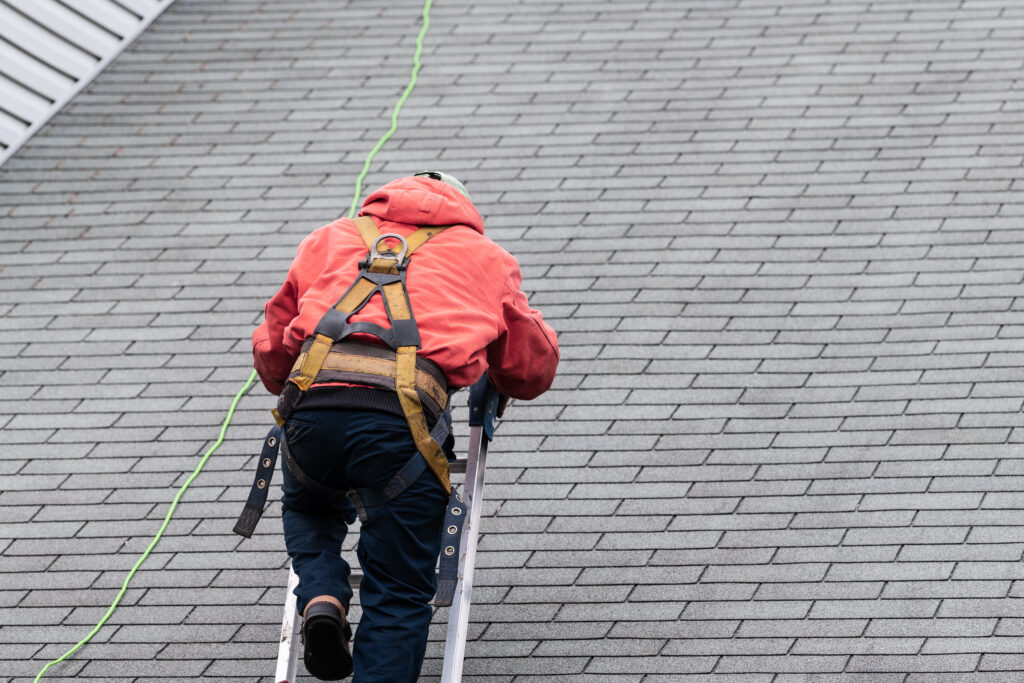
Roof damage isn’t always visible from the ground. Shingle issues, flashing separation, vent leaks, and structural shifts often go undetected until they cause noticeable water damage—or worse. That’s where a professional inspection comes in. Regular inspections also help identify workmanship issues or storm damage before they lead to more expensive problems like mold or structural damage.
7 Things to Expect During a Roof Inspection
A qualified professional will inspect all key components of your roofing system. They’ll assess its current condition, look for signs of damage, and evaluate whether repairs or replacement may be needed in the near future. Here’s how most contractors structure a standard inspection.
1. Exterior Roof Surface Evaluation
The contractor begins by examining the overall surface condition. They’ll look for:
• Damaged shingles: Cracks, curling, or missing sections
• Granule loss: Indicating advanced aging or hail impact
• Warping or sagging: Which could signal structural issues underneath
• Punctures or splits: Especially on flat or low-slope sections
This is often where roof leak repair recommendations begin, especially if a leak hasn’t yet reached the attic or living spaces.
2. Flashing and Sealant Check
Flashing is used around chimneys, skylights, vents, and valleys. Inspectors check for:
• Cracked caulking: A common source of slow leaks
• Loose or lifted flashing: Allowing water intrusion during heavy rains
• Corrosion or rust: Weakens the metal over time
Improperly sealed flashing is one of the top reasons homeowners deal with leaking roofs after storms.
3. Gutters, Eaves, and Drainage Review
While gutters aren’t technically part of the roof, they play a big role in its overall function. Inspectors check for:
• Blockages or buildup: Which can cause water to back up under shingles
• Loose or sagging gutters: Often a sign of poor installation or water damage
• Water flow direction: Ensuring proper drainage away from the home
Issues in this area may also lead to costly repairs around the foundation or fascia boards.
4. Attic and Interior Inspection
A full-service inspection includes a look inside your attic or upper crawlspace. Key things contractors examine:
• Water stains or mold: Signs of a roof leak or poor ventilation
• Light penetration: A gap in the roofing system somewhere above
• Insulation levels: Which affect both ventilation and energy efficiency
• Ventilation setup: Ensures that heat and moisture aren’t being trapped
This step connects the condition of the roof to energy efficiency and overall home health.

5. Structural and Decking Review
Inspectors will assess the structural stability beneath the surface:
• Decking softness or sagging: May suggest water rot or pest damage
• Roof slope and alignment: Impacts water runoff and lifespan
• Signs of movement or separation: Could indicate shifting or settling over time
For older homes especially, this step ensures there are no surprises hiding under your roof system.
6. Signs of Hail or Storm Damage
In areas like Escondido, CA, roofs can experience seasonal hail, heavy rains, or high winds. Inspectors will note:
• Impact dents: Especially on metal surfaces and shingles
• Torn or lifted shingles: A sign of wind damage
• Discoloration or granule displacement: Often from hail strikes
Insurance claims often hinge on a proper inspection report that documents these issues thoroughly.
7. Inspection Report and Recommendations
After walking the roof and reviewing the attic, your roofer will compile findings into a report. This typically includes:
• Photos of damage or concern areas
• Repair recommendations for roof maintenance or replacement
• Estimate of remaining roof lifespan
• Cost estimate for any needed work
Make sure you keep this report—it’s useful for warranty issues, future roofing projects, or resale purposes.
Recommended Roof Inspection Frequency
| Home Type or Condition | Recommended Frequency | Why It Matters |
| New roof (under 5 years old) | Every 2–3 years | Ensures proper installation and early problem detection |
| Aging roof (10+ years old) | Every year | Identifies wear, curling, and material breakdown early |
| After major storm or hail event | Immediately after event | Detects damage covered by insurance before it worsens |
| Heavy tree coverage nearby | Annually | Checks for limb damage, clogged gutters, and moss buildup |
| Selling or buying a home | Before transaction closes | Documents roof condition for negotiation or legal purposes |
| Installing solar panels | Before and after installation | Prevents damage during install, protects warranty |
Do You Need a Roof Inspection?
While inspections are often done after a storm or before selling a home, they’re just as important as routine maintenance. Here are common situations when an inspection is strongly recommended:
• Before buying or selling a home
• After a major storm, especially with hail damage
• If you notice ceiling stains or musty smells
• Every 1–2 years as part of regular upkeep
• Before any roofing project like solar panel installation
Even if your roof looks fine, subtle problems may be developing under the surface.
Common Misconceptions About Roof Inspections
Misinformation leads many homeowners to skip inspections until something goes wrong. Here are some common myths—and the truth.
“You only need an inspection if there’s visible damage.”
Many serious roof issues are invisible from the ground. Inspections catch small problems before they become big ones.
“New roofs don’t need to be inspected.”
Even a new roof can have installation flaws, flashing issues, or storm damage. A quick inspection ensures everything is in place.
“Roof inspections are expensive.”
Most inspections are free or low-cost—especially when done by local roofers offering repair services. The savings from avoiding major damage far outweigh the cost.
“Any contractor can inspect a roof.”
It’s important to hire a qualified professional with roofing experience. General handymen may miss technical issues that affect long-term durability.
“Inspections take a long time.”
Most roof inspections take under an hour and deliver valuable insights that protect your home and your budget.
Trusted Roof Inspections Start with Streamline Roofing

When it comes to protecting your home, knowing what’s going on above your head makes all the difference. Streamline Roofing provides detailed, honest, and professional roof inspection services—helping you make confident decisions and avoid unexpected repairs. Whether you’re preparing for a roofing project, tracking down a leak, or updating your maintenance plan, we’re here to help.
We’re proud to serve home and business owners in Escondido, CA, and nearby communities with roof inspection services and more. Contact Streamline Roofing today to schedule your inspection.