


Roof leak repair is essential for preventing costly water damage and protecting your home’s structure. Even a small leaky roof can spread moisture through the attic, insulation, and ceilings, especially during Southern California’s mix of intense sun and seasonal storms. Below are the key areas this guide will cover to help you prevent further damage from developing:
- Early leak indicators: Small warning signs that point to minor roof leaks
- Repair options: When DIY roof repairs work and when to call a roofing contractor
- Prevention strategies: How to avoid missing shingles and recurring issues
- Material comparisons: Which repair choices reduce the need for extensive repairs
Why Roof Leak Repair Matters
Roof leaks rarely stay contained to one area, and water often travels along beams before appearing inside your home. Quick action prevents roof repairs from becoming more complicated and protects the home from costly structural problems. Addressing leaks early is also the best way to maintain indoor air quality and energy efficiency.

Delaying repairs can lead to:
- Structural weakening: Moisture damages roof decking and rafters
- Mold growth: Damp areas allow mold to grow rapidly
- Interior damage: Ceilings, walls, and floors can warp or discolor
- Energy loss: Wet insulation loses effectiveness
Common Causes of Roof Leaks
Roof leaks often begin in predictable areas, making it easier for homeowners to spot warning signs before they escalate. Consistent visual checks and occasional roof inspection services help ensure problems are caught early.
Common causes include:
- Aging roofing materials: Shingles dry out, lift, or crack over time
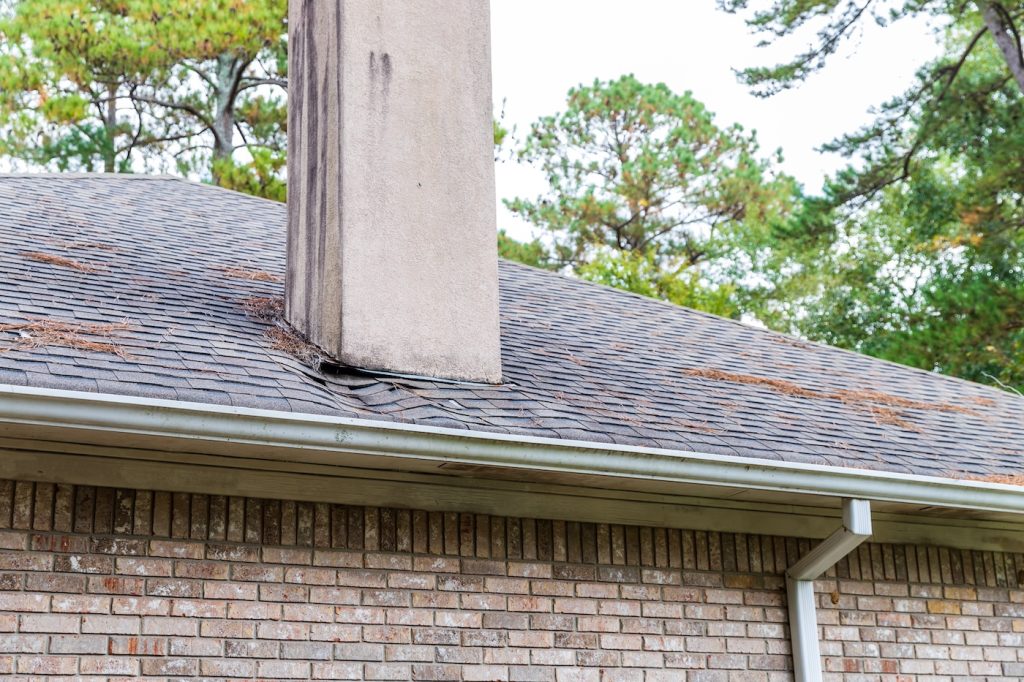
- Flashing failure: Metal edges around chimneys and vents loosen or corrode
- Poor drainage: Clogged gutters force water beneath shingles
- Storm damage: Wind and debris can create missing shingles and weak spots
9 Roof Leak Repair Tips Every Homeowner Should Know
These roof leak repair tips help you respond quickly and prevent further damage to your home. Each one focuses on practical steps you can take to stop moisture from spreading and reduce the need for extensive repairs.
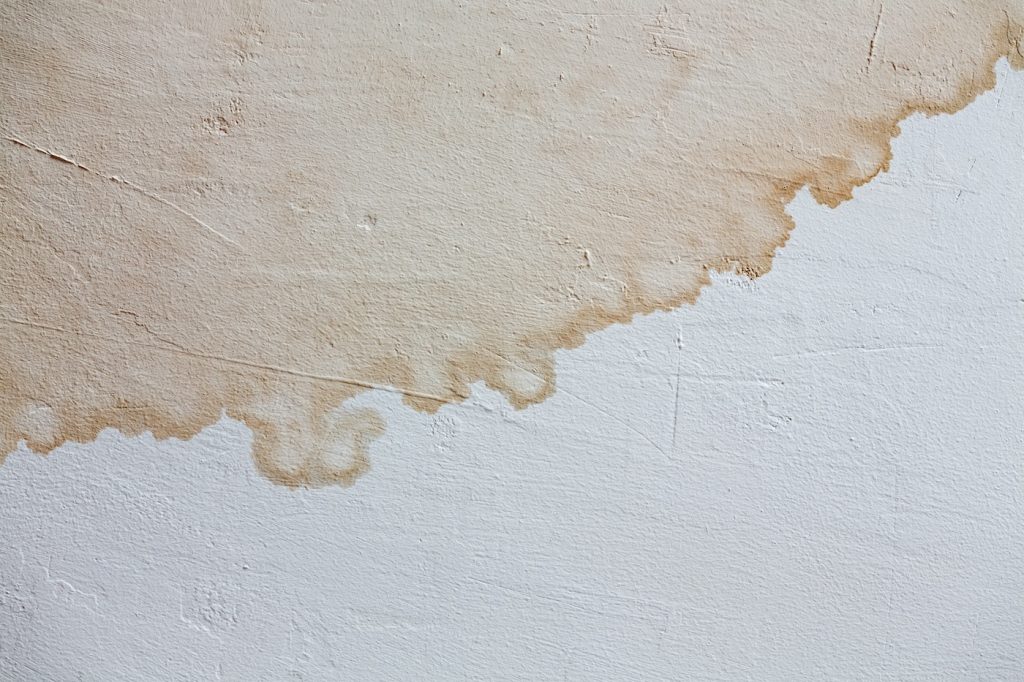
- Trace the true source: Indoor stains rarely appear directly below the leak
- Inspect your attic: Damp insulation or darkened beams indicate water entry
- Clear roof debris: Leaves and branches hide cracks and trap moisture
- Replace damaged or missing shingles: Gaps allow water to reach deeper layers
- Check flashing carefully: Loose flashing remains a leading cause of leaks
- Use roofing-grade sealants: These products last longer and remain flexible
- Inspect after storms: Wind and rain reveal hidden weaknesses in the roof
- Avoid surface-only patches: Cosmetic fixes rarely solve the underlying issue
- Call a roofing contractor for recurring leaks: Persistent moisture suggests a deeper problem
DIY vs Professional Roof Leak Repair
Some roof repairs are safe for homeowners to handle, while others require specialized training. Knowing when to attempt a fix yourself and when to hire a roofing contractor helps prevent further damage and ensures long-term results.
DIY Repairs That Are Generally Safe
Simple fixes can be handled by homeowners who feel confident working on a roof.
- Replacing a few shingles: Good for small, isolated issues
- Sealing exposed fasteners: Useful for simple moisture entry points
- Removing debris: Prevents blockages and moisture buildup
When Professional Help Is Necessary
Complex or hidden leaks require proper tools and experience to diagnose correctly.
- Recurring or spreading leaks: Often point to deeper system issues
- Soft or sagging decking: Signs of structural damage needing expert care
- Storm-related damage: Requires proper documentation and repair method
- Flashing or penetration issues: Mistakes here create repeat leaks
Roof Leak Repair Materials Compared
Choosing the right materials ensures that your leak repair lasts and prevents unnecessary future roof repairs. Different situations call for different solutions depending on severity and location.
| Material | Best Use | Durability |
| Roofing sealant | Small cracks or temporary fixes | Short to mid-term |
| Replacement shingles | Fixing missing shingles or localized roof damage | Long-term |
| Metal flashing | Vents, chimneys, skylights | Long-term |
| Underlayment patches | Moisture barrier repairs | Long-term |
| Waterproof membranes | Valleys and high-risk areas | Extended lifespan |
Preventative Maintenance That Reduces Leaks
Simple, consistent maintenance dramatically reduces the risk of roof leaks. Seasonal checks help identify issues early and keep your roofing system performing as intended.
Seasonal inspections
Seasonal roof inspection services ensure early detection of minor roof leaks and prevent the need for extensive repairs. These evaluations help identify missing shingles, weakened flashing, and subtle moisture problems before they escalate.
Gutter cleaning
Gutter cleaning is essential for preventing water backup that can lead to a leaky roof and interior damage. Keeping gutters clear ensures water moves safely away from the roof instead of slipping beneath shingles.
Tree trimming
Tree trimming protects the roof from impact damage and reduces the amount of debris accumulating on shingles. By keeping branches away from the roof surface, you lower the risk of missing shingles and unnecessary roof repairs.
Ventilation checks
Ventilation checks ensure your attic remains dry and balanced, preventing condensation that can mimic or create leaks. Proper airflow protects roofing materials and helps limit further damage caused by trapped moisture.
How Storm Damage Contributes to Leaks
Storms often create weaknesses that turn into leaks weeks or even months later. Wind can lift shingles, heavy rain can test flashing seams, and debris can bruise the roofing surface. Inspecting your roof after severe weather helps reduce the risk of hidden moisture problems.
Signs of storm-related damage include:
- Loose or missing shingles: Wind commonly lifts shingles at edges and peaks
- Granule buildup: Loss of protective granules reduces shingle performance
- New interior stains: Indicates moisture movement through the roofing system
- Shifted flashing: Storms can lift metal around chimneys or vents
We’re proud to serve home and business owners in La Mesa, CA, and nearby communities with roof leak repair and more. Local climates create unique roofing challenges, and understanding them helps ensure durable results.
Protect Your Home With Streamline Roofing
Roof leaks require fast, reliable solutions, and Streamline Roofing delivers long-lasting results you can trust. Our team provides accurate diagnostics, thorough repairs, and expert installation to protect your home from further damage. Whether you’re dealing with a leaky roof, missing shingles, or need a full roof inspection, we’re here to help. Contact Streamline Roofing today to schedule your service and keep your home protected.