


Homeowners searching for roof repair services often want a clearer picture of what roofing contractors typically handle. Understanding these services helps you choose the right repair, avoid unnecessary spending, and protect your home for the long term. Before diving into the most common repair options, here are a few things to keep in mind:
• Common damage patterns: Most roofing issues fall into predictable categories that trained contractors can diagnose quickly.
• Preventive value: Early repairs help avoid major structural or interior damage.
• Material-based differences: Tile, shingle, and flat roofing systems each require specialized repair methods.
• Skill considerations: The contractor’s experience influences how effective and long-lasting the repair will be.
Roof repairs play a central role in maintaining your home’s structure, preventing moisture intrusion, and protecting your investment. Whether you’re addressing damaged shingles or dealing with a leaking roof, timely action can help you avoid more disruptive and costly repairs down the road.
Understanding the Most Common Roof Repair Categories
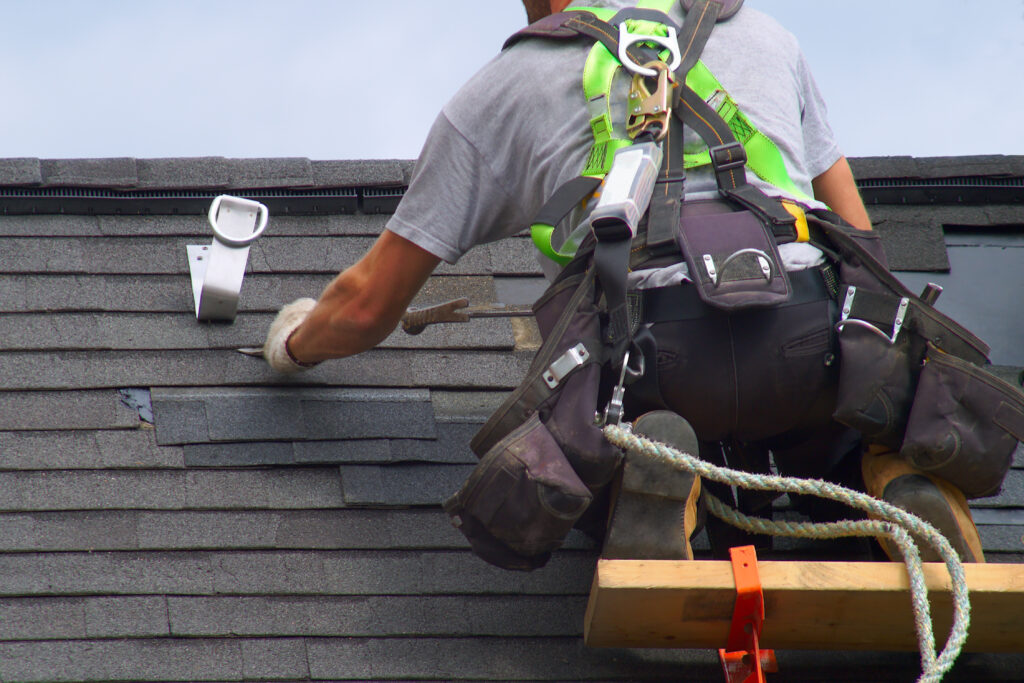
When contractors inspect a roof, they’re typically looking at multiple systems that work together: surface materials, underlayment, flashing, drainage, and ventilation. Repair needs often fall into categories based on where a failure has occurred. Understanding these categories helps homeowners identify signs early and ask the right questions when hiring a qualified professional.
In many cases, repairs are far more affordable than homeowners expect. Roof repairs cost an average of $1,158, making them far more affordable than full replacements, which is why addressing issues early is one of the most effective ways to protect your home and your budget.
7 Most Common Roof Repair Services Contractors Offer
Whether you’re dealing with roof leak repair needs, worn materials, or hidden issues under the surface, most roofing companies offer these essential services. Here’s what each one involves and why they matter during any roofing project.
1. Shingle Replacement and Surface Repairs
Shingles often show the first signs of wear after years of sun, wind, hail damage, and debris exposure. Contractors replace cracked, curled, or missing shingles to restore the protective layer. Addressing damaged shingles early helps prevent moisture intrusion and can delay the need for a new roof.
2. Leak Detection and Waterproofing
Leaks usually form in places you can’t easily see, such as beneath lifted shingles, around vents, or near flashing. Roofing professionals trace the origin of a leaking roof, even if it’s far from where water enters the home. Once identified, repairs are made to seal vulnerable areas and prevent further structural damage.
3. Flashing Repairs
Flashing protects joints around chimneys, skylights, vents, and roof edges. When flashing corrodes, shifts, or cracks, water can quickly enter the structure. Contractors repair or replace flashing to redirect water away from vulnerable points and prevent long-term damage.
4. Tile Replacement and Underlayment Repairs
Tile roofs are durable but heavy, and individual tiles can crack or slip over time. While tiles shed water, the underlayment beneath provides the true waterproof barrier. Repairs often involve repositioning tiles and restoring underlayment sections to ensure full protection.
5. Roof Ventilation and Exhaust Repairs
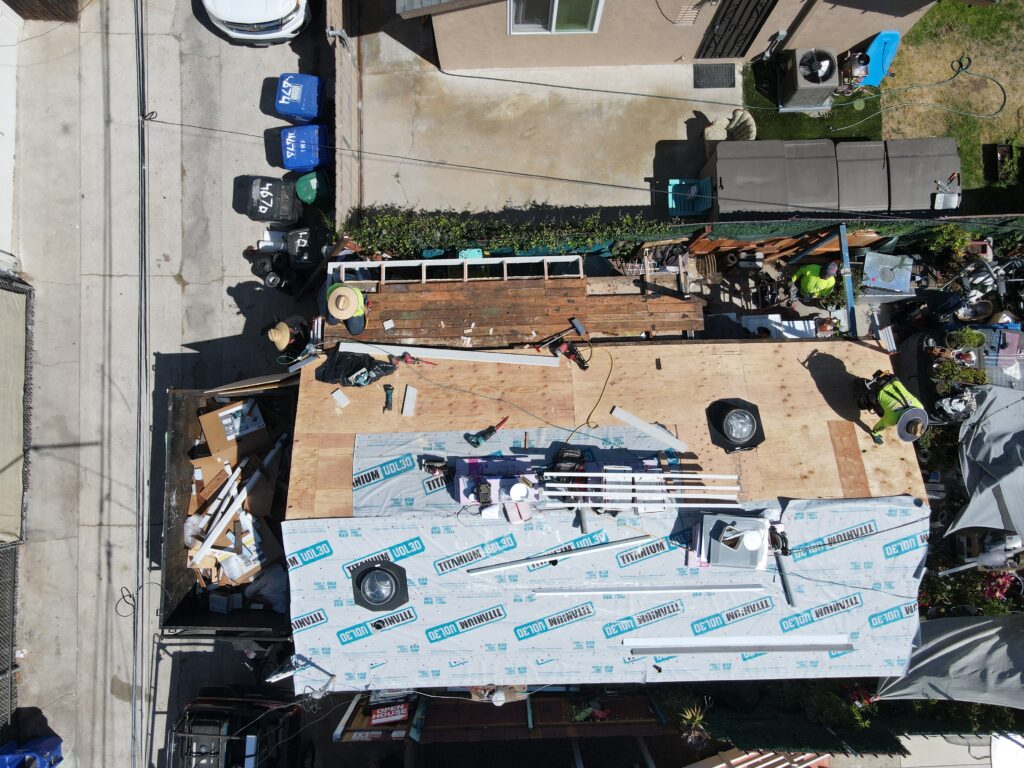
Poor ventilation allows heat and moisture to build up in the attic, accelerating roof wear and increasing energy costs. Contractors inspect and repair ventilation systems as part of regular roof maintenance to promote airflow and extend roof lifespan.
6. Flat Roof and Membrane Repairs
Flat roofing systems like TPO, PVC, and modified bitumen can develop punctures, seam separation, or pooling water. Contractors repair damaged sections, reseal seams, and reinforce membranes to prevent leaks and reduce future maintenance needs.
7. Gutter and Drainage Corrections
Improper drainage can cause water to back up under shingles, rot fascia boards, and compromise the foundation. Local roofers often correct gutter alignment, remove debris, and improve water flow to protect both the roof and the home’s structure.
A Quick Comparison of Popular Repair Types
| Repair Type | Purpose | When You’ll Need It |
| Shingle Replacement | Restores surface protection | After storm damage or wear |
| Leak Repairs | Prevents water damage | When stains or drips appear indoors |
| Flashing Repair | Secures roof transitions | When flashing pulls away or corrodes |
| Tile/Underlayment | Fixes structural gaps | After tile impact or age-related issues |
| Ventilation Repair | Improves airflow | When attic heat or humidity rises |
| Flat Roof Repair | Seals membrane | When seams lift or leaks occur |
| Gutter Fixes | Prevents overflow | When water isn’t draining properly |
Why These Roof Repairs Matter
Roof issues may seem minor at first, but delaying repairs can lead to serious consequences. Repairing problems early helps homeowners avoid costly repairs, preserve structural integrity, and protect their living space from water intrusion. These benefits make timely repairs a smart part of long-term homeownership:
• Prevent interior damage: Quick action stops moisture from damaging ceilings, walls, and insulation.
• Extend roof lifespan: Early intervention slows deterioration and delays replacement.
• Improve home efficiency: Proper sealing and ventilation reduce energy loss.
• Lower long-term costs: Preventive repairs reduce emergency repair expenses.
• Support resale value: A well-maintained roof improves buyer confidence.
• Avoid insurance issues: Ongoing maintenance supports smoother claims when issues arise.
Common Misconceptions About Roof Repairs
Many homeowners delay necessary repairs because of common misunderstandings. Below are some frequent misconceptions and the truth behind them.
“Repairs aren’t worth it — just replace the roof.”
A full replacement is sometimes required, but many roofing problems can be resolved with targeted repairs. These fixes often extend roof life by several years without the expense of a full replacement.
“If there’s no leak, the roof is fine.”
Leaks are often a late-stage warning sign. Hidden moisture can cause structural damage long before it becomes visible indoors.
“DIY repairs are just as good.”
Roofing systems require precise installation techniques. Improper repairs often worsen damage and can void warranties, making professional service essential.
“All roofers offer the same services.”
Some contractors focus only on installation, while others specialize in diagnostics and repairs. Choosing experienced local roofers helps ensure issues are properly identified and resolved.
“Repairs take a long time.”
Most roof repairs can be completed in a single visit. Delaying service often leads to larger problems that require more extensive work.
Repair with Confidence from Streamline Roofing
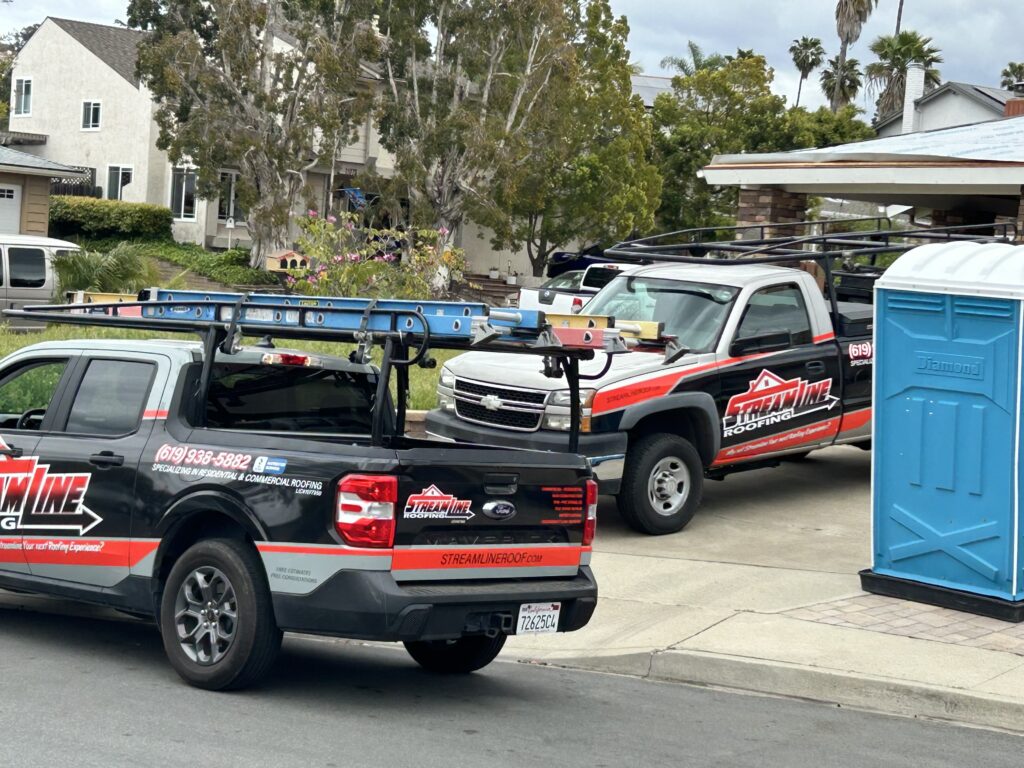
Roof problems don’t have to mean panic. With clear communication, responsive service, and expert craftsmanship, Streamline Roofing provides dependable solutions for homeowners facing roof repair challenges. Whether you need roof leak repair, help after hail damage, or guidance on ongoing roof maintenance, our team is here to help.
We’re proud to serve home and business owners in La Mesa, CA, and nearby communities with roof repair services and more. Contact Streamline Roofing today to schedule your free estimate and protect your home with confidence.