

When exploring different tile roof types, many homeowners quickly discover that choosing the right material is about more than just appearance. From durability and weight to climate compatibility and cost, each type of roof tile has unique pros and cons. Whether you’re deciding between concrete tiles, clay tiles, or alternatives like metal or slate roof tiles, it’s important to understand how they compare.
Here’s what you’ll learn from this guide:
- Material comparison: Understand the differences in cost, weight, and performance between popular roofing materials.
- Visual styles: Discover how various tile profiles can enhance your home’s architecture.
- Longevity and upkeep: Learn how long different tile roof types last and what maintenance they require.
Let’s explore the most common types of roof tiles and how to choose the best option for your home.
👉 Clay Tile Roofs
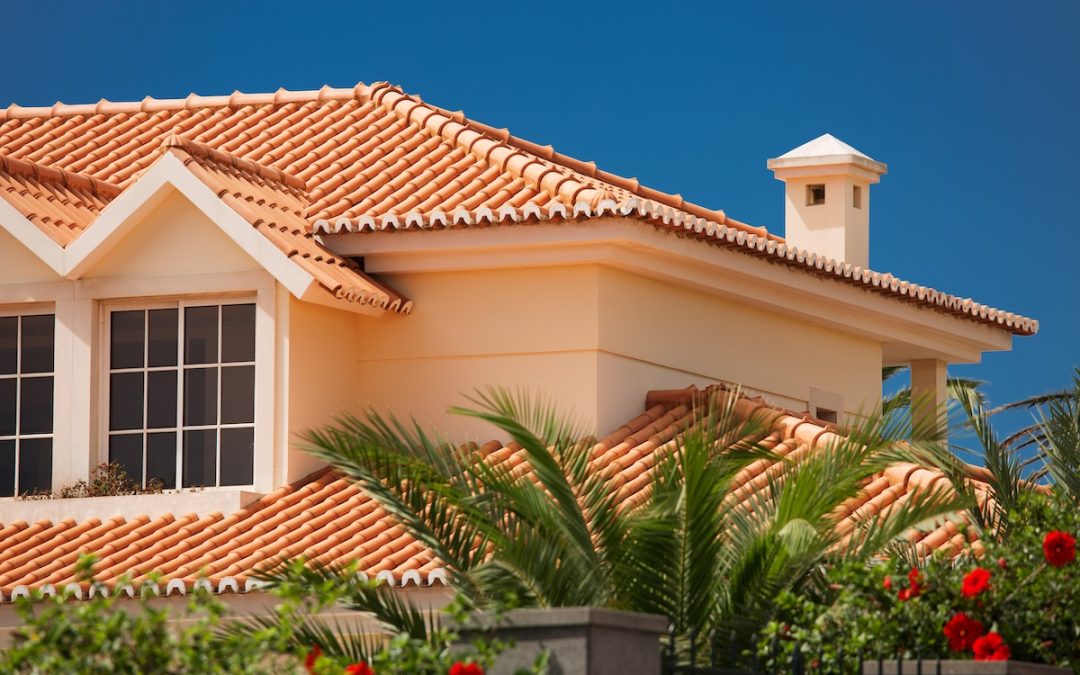
Clay tiles are among the oldest roofing materials still in use today. Crafted from natural earthen clay and kiln-fired for strength, they’re known for their classic charm and impressive lifespan. Traditional clay roof tiles often appear on Mediterranean, Spanish, and Mission-style homes.

What Makes Clay Tiles Stand Out
Clay tile roofs provide a long-lasting and visually striking roofing solution. These tiles are non-combustible, eco-friendly, and available in several colors and profiles, including flat and barrel tiles.
- Longevity: Clay roof tiles can last 50 to 100 years with proper installation and care.
- Timeless design: The rustic, rich look of clay tiles improves curb appeal and supports resale value.
- Low maintenance: Clay resists insects, rot, and weather-related decay better than many materials.
Potential Challenges
Clay tiles are durable but brittle, and their heavy weight means your roof must be structurally sound before installation. Their upfront cost is also higher compared to most other tile roof options.
🪨 Concrete Tile Roofs
Concrete tiles offer a more affordable alternative to clay, without sacrificing strength or weather resistance. These tiles are made from a mix of sand, water, and cement, and can be molded to mimic clay or slate roof tiles.
Strengths of Concrete Tile Roofs
Concrete roof tiles are extremely durable and perform well in a variety of climates. They are particularly resistant to hail, wind, and UV exposure.
- Versatile looks: Concrete tiles can replicate barrel tiles, flat profiles, or even ceramic roof tiles.
- Great value: A concrete tile roof provides strong protection at a more budget-friendly price.
- Energy savings: Light-colored concrete reflects heat and improves attic ventilation.
What to Consider
Concrete tiles are porous, which means they absorb more moisture than clay. This can lead to staining or mildew growth if not maintained properly. Additionally, their pigment tends to fade faster over time, especially under constant sun exposure.
❗️ Metal and Synthetic Roof Tiles
Not all tile roof types rely on traditional stone or clay materials. For homeowners seeking lighter, more modern alternatives, metal roof tiles and synthetic roof tiles offer flexible solutions.
Benefits of Alternative Roofing Materials
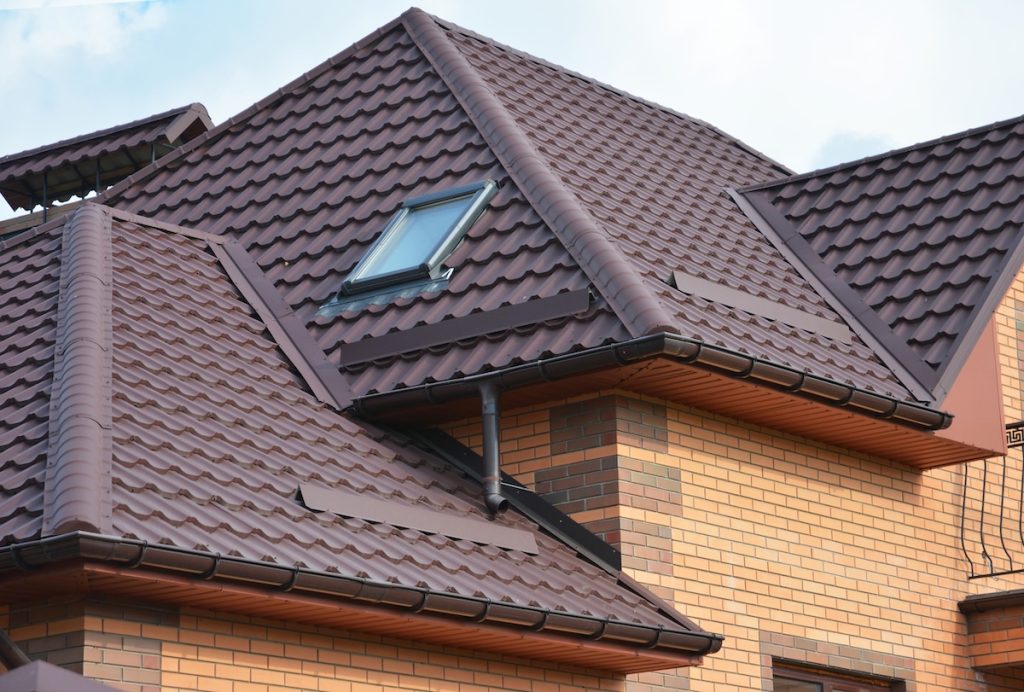
Metal roof tiles combine the durability of steel or aluminum with the appearance of traditional roofing tiles. Synthetic tiles, made from polymer blends or recycled materials, often mimic slate or clay at a fraction of the weight.
- Lightweight: Easier to install and doesn’t usually require structural reinforcement.
- Impact resistant: Many synthetic options can withstand hail and falling debris.
- Lower maintenance: These tiles often resist moss and moisture better than natural materials.
Although newer to the market, many synthetic products now come with 30- to 50-year warranties and meet strict fire and wind standards.
📋 7 Key Differences Between Popular Tile Roof Types

- Material source: Clay tiles are natural, concrete is man-made, and metal or synthetic tiles are engineered for performance.
- Lifespan: Clay lasts the longest, followed by slate and concrete. Synthetic tiles vary by brand, while metal options typically offer 40–70 years.
- Weight: Concrete and clay tiles are heavy and may require roof reinforcement. Metal and synthetic are much lighter.
- Appearance: Concrete offers the widest range of colors and profiles. Clay provides a rich, traditional look. Synthetic and metal can mimic other materials convincingly.
- Water absorption: Concrete absorbs more water than clay or metal, increasing maintenance needs in humid climates.
- Weather resistance: Metal and synthetic tiles resist hail better than fragile clay. Concrete offers excellent wind resistance.
- Cost: Clay tiles are generally the most expensive, followed by slate. Concrete is more affordable, while synthetic and metal roof tiles vary depending on design and features.
✅ Choosing the Right Tile Roof for Your Home
Selecting the best tile roof for your property involves weighing several factors: the structure of your home, your regional climate, aesthetic preferences, and how much you want to spend upfront versus long-term.
Key Considerations for Homeowners
- Climate compatibility: Clay performs well in hot, dry climates. Concrete tiles hold up better in areas with frequent rain or storms.
- Home structure: Not every home can support the weight of clay or concrete without structural upgrades.
- Architectural style: Consider which tile profiles—like flat, S-curve, or barrel tiles—match your home’s look.
- Maintenance expectations: Some roof tiles need more care than others. For example, concrete may require more cleaning due to algae or moss buildup.
🤝 Trust Streamline Roofing to Guide Your Tile Roof Decision
With so many roofing materials to choose from, it can be tough to know which option is right for your home. At Streamline Roofing, we install and maintain all major tile roof types, including clay tiles, concrete tiles, slate roof tiles, and more. We’re here to help you evaluate your choices, answer your questions, and ensure your new or relayed tile roof performs beautifully for decades to come.
⭐️ Compare Tile Roof Types With Confidence
Each tile material—from clay and concrete to synthetic and metal—has strengths that suit different homes, styles, and climates. Whether you want the traditional elegance of clay tiles or the affordability and strength of concrete roof tiles, making the right choice starts with understanding your needs.
Streamline Roofing is your trusted expert for everything tile roof–related. We’ve helped countless homeowners choose, install, and maintain roofs that deliver both beauty and protection for the long haul. Contact us today to request your free quote and discover the best tile roof type for your home.