

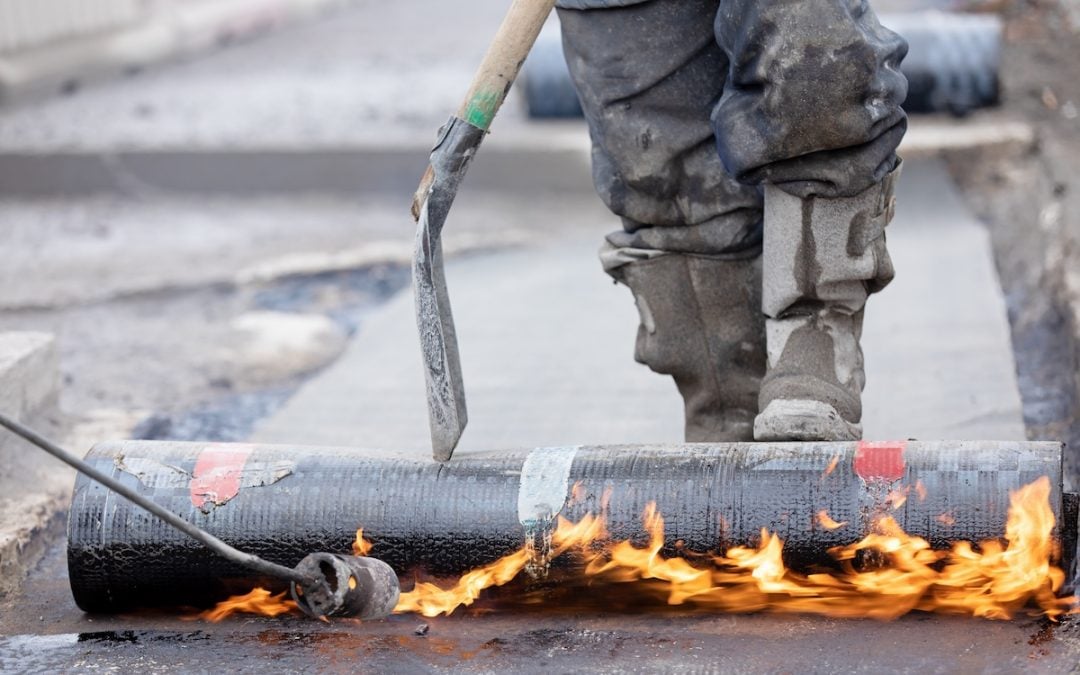
Torch down roofing is a popular flat roof solution for residential and commercial properties that need a durable, waterproof membrane. Made from modified bitumen and applied using a torch heat method, this material forms a strong, seamless barrier that can last for decades with proper care.
- Flat roof solution: Designed specifically for low-slope and flat roofs where shingles don’t perform well.
- Seamless waterproofing: Torch down creates a tight seal that resists water penetration and pooling.
- Long-term performance: Offers a life span of up to 20 years with proper professional maintenance.
In this blog, we’ll cover the key benefits, potential downsides, installation process, and overall cost of torch down roofing so you can decide if it’s right for your property.
🔥 What Is Torch Down Roofing?
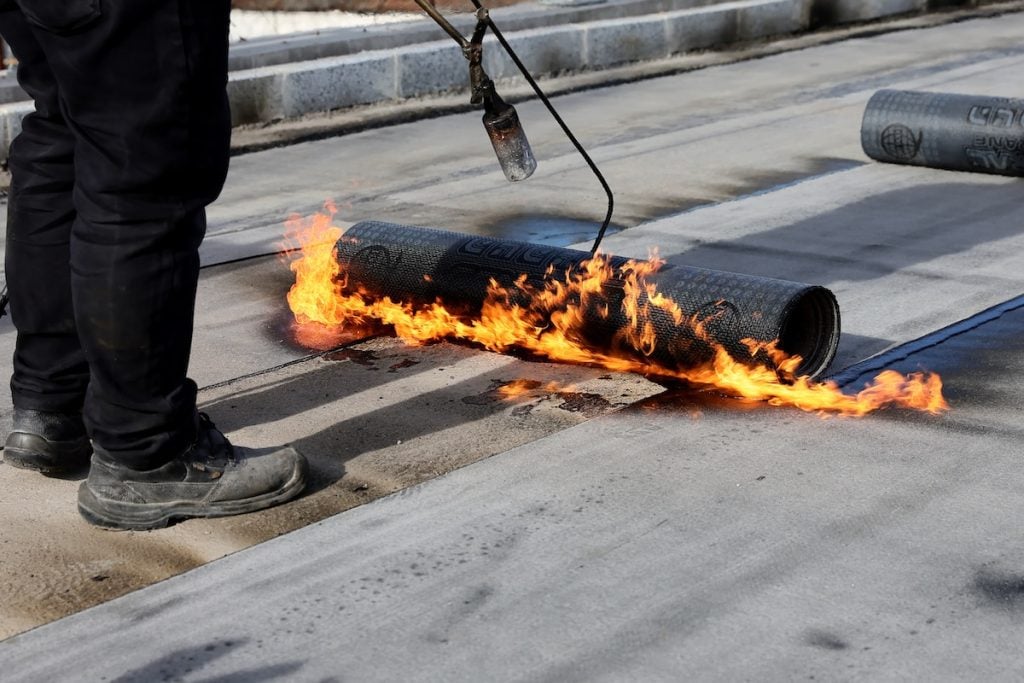
Torch down roofing is a type of modified bitumen membrane used on flat and low-slope roofs. The name comes from the installation method, roofers use a propane torch to melt the backing of the material as it is rolled out, creating a watertight seal between layers and the substrate.
There are typically two or three layers used:
- Base sheet: Provides a solid foundation and helps with adhesion.
- Cap sheet: Contains added granules for UV protection and durability.
- Optional mid-layer: Adds strength and thickness for 3-ply systems.
The result is a rubberized, flexible membrane that stands up well to foot traffic, ponding water, and harsh weather conditions.
✅ Benefits of Torch Down Roofing
For homes or additions with flat or low-slope roofs, torch down offers a range of advantages that make it one of the top choices in its category.
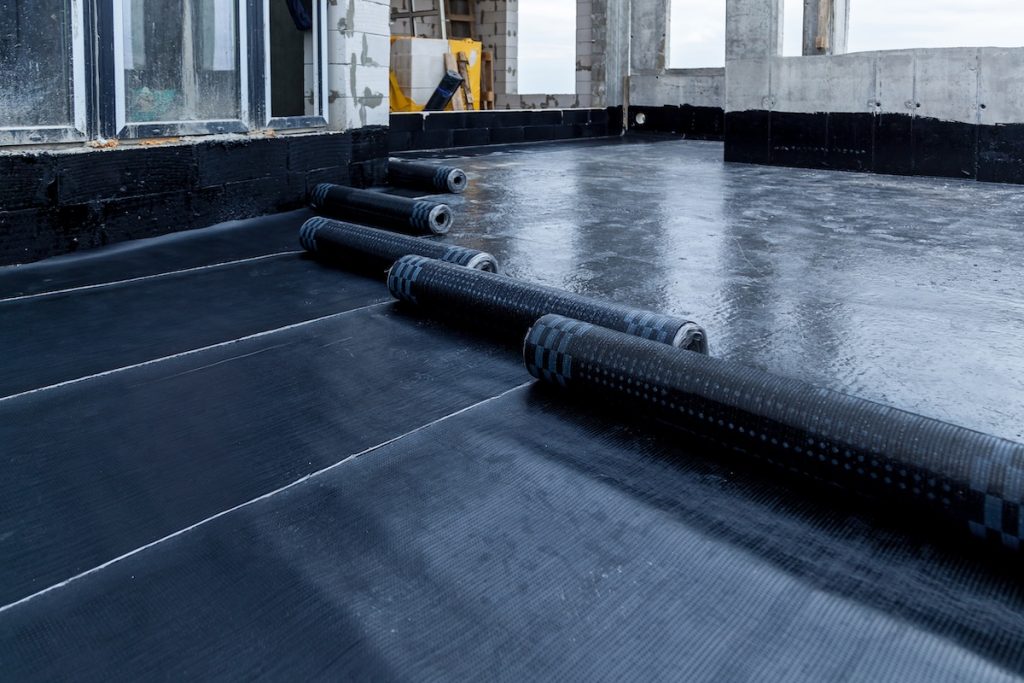
- Excellent Waterproofing: Torch down roofing forms a tight, sealed surface without seams or overlaps. Once heated and bonded, the membrane becomes highly resistant to water intrusion, making it ideal for roofs that are prone to pooling.
- Long-Lasting Protection: When installed properly, torch down roofs can last 15–20 years or longer. The material holds up well to UV exposure, wind, and rain. Cap sheets often come with added granules to extend the roof’s resistance to wear and weathering.
- Flexibility in Changing Temperatures: Torch down membranes expand and contract with the roof’s movements, reducing the risk of cracking or splitting in fluctuating climates. This flexibility is especially important in California’s warm days and cool nights.
- Low Maintenance: Once installed, torch down roofs require minimal upkeep. Occasional inspections and clearing of debris are usually enough to keep them in good shape. Repairs are also straightforward when needed.
- Fire and Heat Resistance: The modified bitumen material has a relatively high fire resistance rating, and granulated cap sheets offer added protection. This makes torch down roofing a strong option in areas where fire-resistant materials are preferred.
❌ Drawbacks to Consider
While torch down roofing has many strengths, it’s not the right choice for every home or budget. Here are some important considerations:
- Professional Installation Required: Due to the use of an open-flame torch, this roofing system must be installed by trained professionals with proper safety equipment. DIY installation is unsafe and often leads to faulty sealing.
- Risk of Fire During Installation: The torching process carries an inherent risk of fire if not handled correctly. It’s important to choose a licensed and experienced roofing contractor who follows all safety protocols during application.
- Not for Steep-Slope Roofs: Torch down roofing is designed for flat or low-slope structures only. It cannot be used on typical pitched residential roofs where water runs off too quickly for the membrane to seal properly.
- Material Cost and Labor: Torch down roofing is more expensive than basic asphalt shingles due to material quality and the specialized labor involved. However, the cost may be worth it for flat roofs needing long-term durability.
⭐️ 5 Key Facts About Torch Down Roofing
If you’re still weighing your options, here are some fast facts to help make the decision easier:
- Designed for flat and low-slope roofs only
- Lasts 15–20+ years with proper care
- Installed using heat from a propane torch
- Waterproof, UV-resistant, and flexible
- Must be installed by professionals for safety and code compliance
📋 Torch Down Roofing vs. Other Flat Roof Materials
How does torch down compare to other common flat roofing options like EPDM or TPO?
- Torch Down vs. EPDM (rubber): Torch down is more resistant to punctures and has better UV protection. EPDM is easier to install but may shrink over time.
- Torch Down vs. TPO (thermoplastic): TPO is heat-welded and energy efficient, but not as durable in foot traffic or ponding conditions. Torch down offers stronger waterproofing.
- Torch Down vs. Built-Up Roofs (BUR): BURs use multiple layers of asphalt and felt but are heavier and messier to install. Torch down offers a cleaner, faster alternative with similar performance.
💵 Average Cost of Torch Down Roofing in California
Pricing for torch down roofing depends on roof size, number of layers, and labor rates in your area. Here’s a general cost breakdown:
- Material cost: $3–$5 per square foot
- Installation cost: $7–$12 per square foot (including labor)
- Total cost: $10–$17 per square foot on average
- Typical lifespan: 15–20 years
Keep in mind that 2-layer systems are less expensive than 3-layer installations, and roofs with difficult access or prep needs may increase labor costs.
✅ When Is Torch Down Roofing a Good Choice?
Torch down roofing is best suited for:
- Flat roof home additions such as sunrooms, garages, or porches
- Low-slope sections of homes where shingles are not effective
- Residential or commercial buildings needing a long-lasting waterproof solution
- Properties in moderate climates that need UV protection and flexibility
If your home has areas with chronic leaks or standing water, torch down may offer a stronger long-term solution than more basic materials. On the other hand, you may be looking for another type of roofing, in which case you can read more about the different roof types in California that we have.
💪 Let Streamline Roofing Handle Your Flat Roof Needs
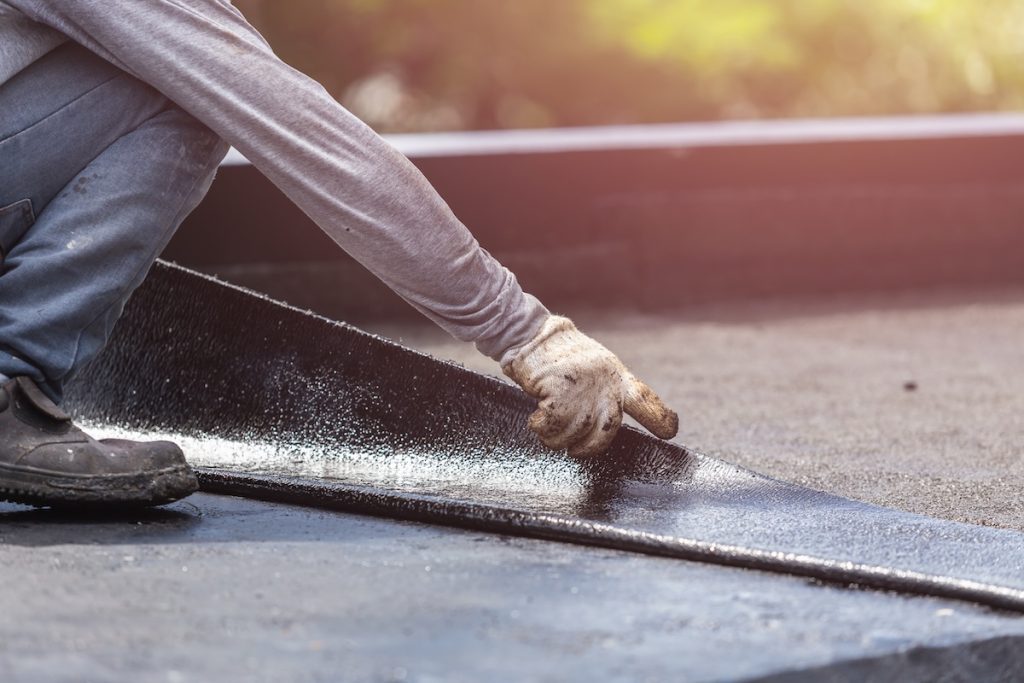
Torch-down roofing is one of the most effective flat roof systems available, but it must be installed with care and expertise. At Streamline Roofing, we specialize in flat and low-slope roof systems that deliver long-term performance, safety, and peace of mind.
Whether you’re replacing an old membrane or building a new addition, our team can walk you through your options and provide a tailored estimate. Contact Streamline Roofing today for a free quote and learn if torch down roofing is the right solution for your home.