Roofing
6 Things to Know Before Scheduling a Flat Roof Replacement
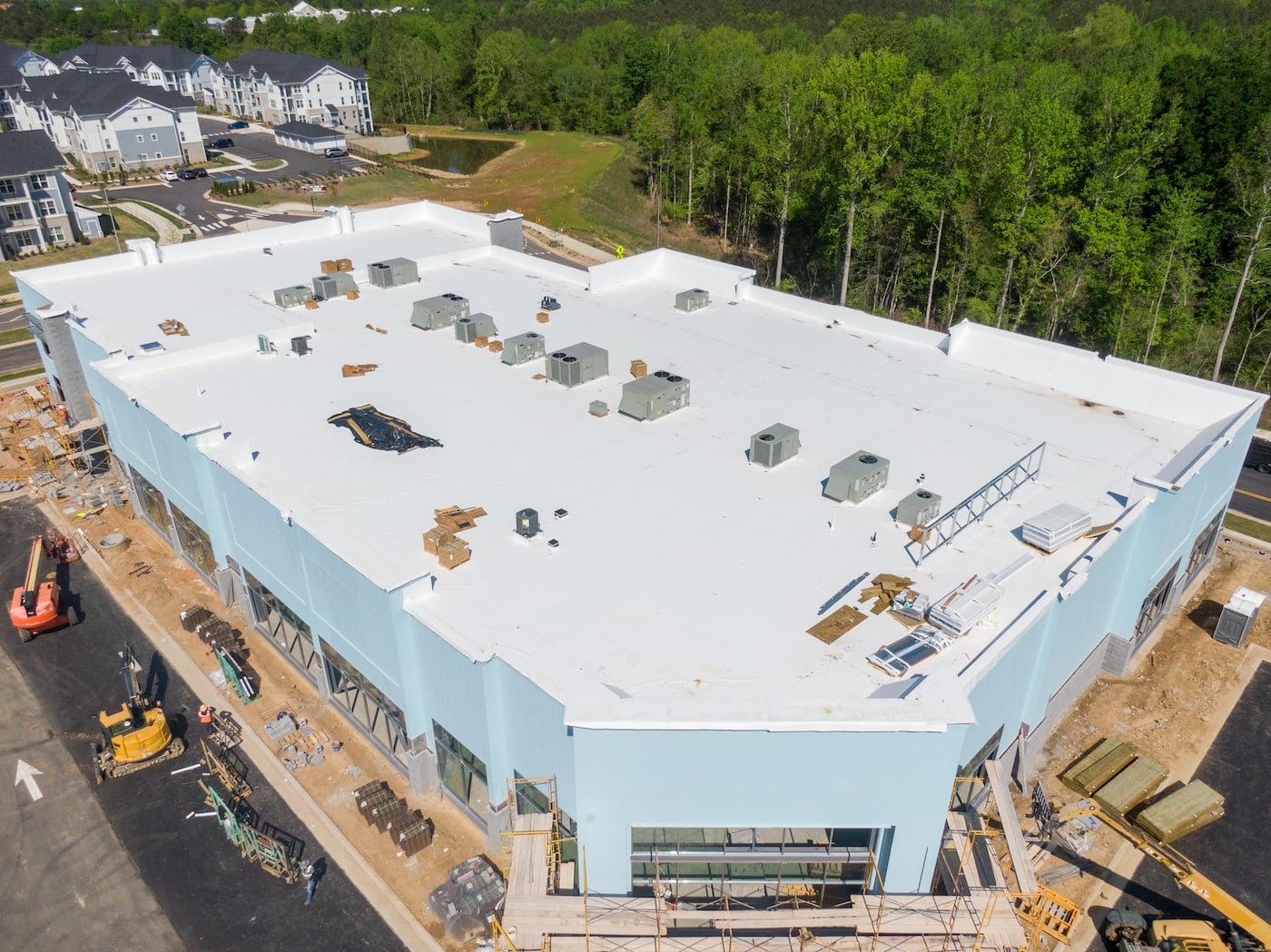
Planning a flat roof replacement is a major investment for both homeowners and commercial property owners. Flat roofing systems require specialized materials, drainage solutions, and installation methods that differ from traditional sloped roofs. Before scheduling a replacement project, it’s important to understand what affects roof cost, lifespan, material selection, and long-term roof performance.
- Material selection: Different flat roof types offer varying durability and energy efficiency.
- Drainage matters: Proper roof drains help prevent standing water and leaks.
- Installation quality: Professional installation reduces future repair risks.
- Roof lifespan: Maintenance and climate conditions affect long-term performance.
- Project planning: Understanding flat roof cost helps avoid unexpected issues.
Knowing what to expect before replacing a flat roof can help property owners make informed decisions and protect their investment, especially when planning commercial roofing in La Mesa.
Common Flat Roof Materials
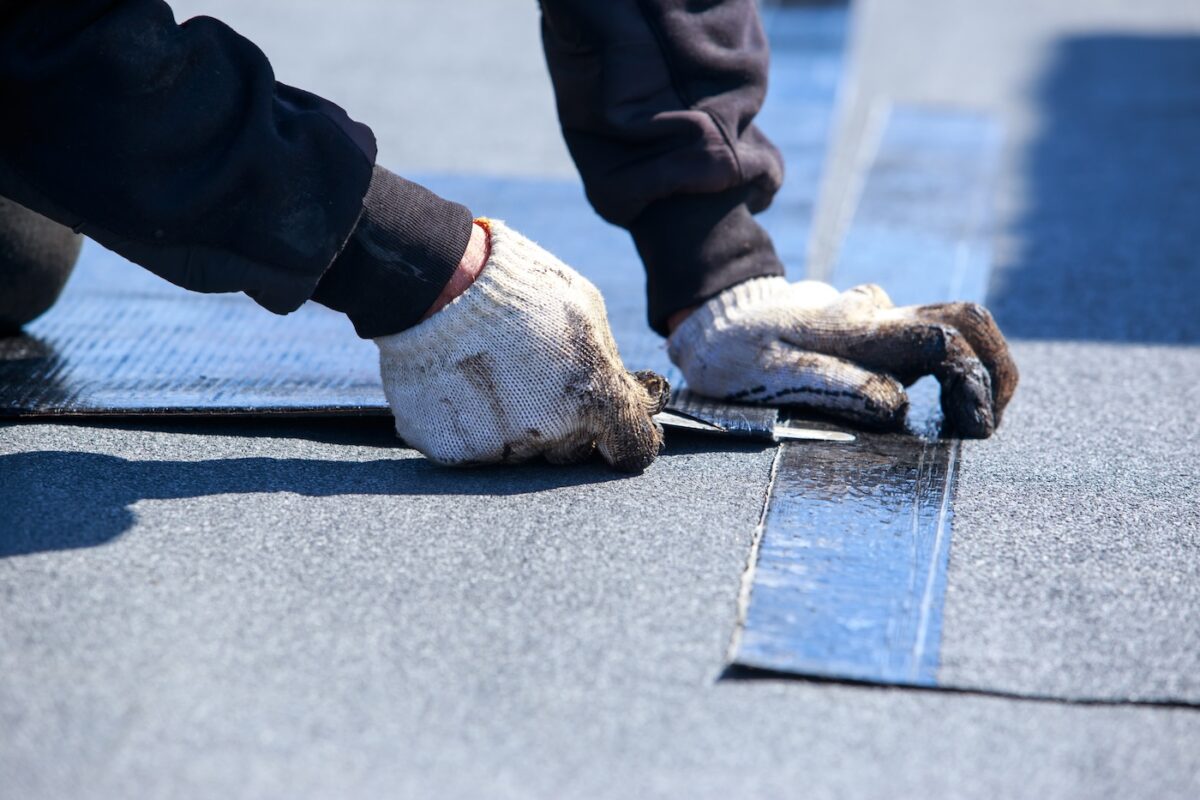
Flat roofing systems are available in several different materials, each offering unique benefits related to durability, waterproofing, energy efficiency, and maintenance. Understanding the differences between these flat roof types can help property owners choose the best option for their building and budget.
- TPO Roofing: Popular for energy efficiency, reflective performance, and lower cooling costs on commercial buildings.
- EPDM Roofing: Synthetic rubber membrane known for flexibility, weather resistance, and long-term durability.
- PVC Roofing: Strong waterproof membrane that resists chemicals, moisture, and standing water effectively.
- Modified Bitumen: Multi-layer asphalt-based system designed for durability and reliable waterproof protection.
- Built Up Roofing: Traditional layered roofing system made with asphalt and reinforcing fabrics for long-lasting protection.
Choosing the right flat roofing material depends on climate conditions, building design, maintenance expectations, and overall flat roof cost.
Why Flat Roof Replacement Requires Special Planning
Flat roofing systems are designed differently than steep-slope roofs. Because they have minimal slope, these low slope roofs rely heavily on waterproof membranes, drainage systems, and proper installation techniques to prevent water infiltration and moisture damage.
Over time, flat roofs may develop cracks, ponding water, membrane separation, or insulation problems that lead to leaks and structural concerns. In many cases, replacing the roof becomes more cost-effective than continuing repeated flat roof repair services and other costly repairs.
Professional flat roofing contractors evaluate several factors before beginning a new flat roof replacement project, including roof condition, drainage performance, insulation quality, and building structure.
6 Important Things to Know Before Replacing a Flat Roof
Replacing a flat roof involves more than simply removing old materials and installing new ones. Below are six important considerations property owners should understand before starting the project.
1. Different Flat Roofing Materials Have Different Lifespans
Several roofing systems are commonly used for flat roofs, and each material offers different benefits and longevity.
- TPO roofing: Known for energy efficiency and reflective performance.
- EPDM roofing: Flexible synthetic rubber membrane with strong weather resistance.
- Modified bitumen: Multi-layer roofing system designed for durability.
- Built up roofing: Traditional layered system commonly used on commercial buildings.
Choosing the right roofing material depends on budget, building type, climate, and long-term maintenance expectations.
2. Drainage Problems Must Be Addressed
One of the biggest issues affecting flat roofs is standing water. Poor drainage can shorten roof lifespan and increase the risk of leaks.
- Ponding water: Weakens roofing membranes over time.
- Clogged roof drains: Prevent proper water flow from the roof.
- Slope corrections: Some roofs may need tapered insulation improvements.
Addressing drainage problems during roof replacement helps improve long-term roof performance and supports effective roof waterproofing.
3. Roof Replacement Costs Vary Significantly
Flat roof replacement costs depend on several important factors, including roof size, material choice, labor, and structural repairs.
- Roof size: Larger roofs require more materials and labor.
- Material selection: Premium systems generally cost more upfront.
- Structural repairs: Damaged decking or insulation increases project costs.
Understanding total flat roof cost before construction begins helps property owners plan budgets more effectively when comparing commercial roofing services in Bonita.
4. Proper Insulation Improves Energy Efficiency
Many flat roof replacement projects include insulation upgrades to improve building performance and indoor comfort. According to the U.S. Environmental Protection Agency, increasing roof solar reflectance reduces peak cooling demand in air-conditioned buildings by 11 to 27% — making energy-efficient flat roofing systems like TPO one of the most impactful upgrades a property owner can make during replacement.
- Reduced heat transfer: Helps regulate indoor temperatures.
- Energy savings: Improved insulation can lower heating and cooling costs.
- Building code compliance: Modern codes may require insulation upgrades.
Energy-efficient roofing systems can provide long-term value through lower utility expenses.
5. Installation Quality Impacts Roof Lifespan
Even the best roofing materials can fail prematurely if installation is performed incorrectly.
- Seam quality: Proper sealing prevents leaks and water infiltration.
- Flashing installation: Protects vulnerable roof transitions.
- Manufacturer guidelines: Contractors should follow approved installation methods.
Working with experienced flat roofing contractors helps ensure the roof performs as expected for years to come.
6. Maintenance Still Matters After Replacement
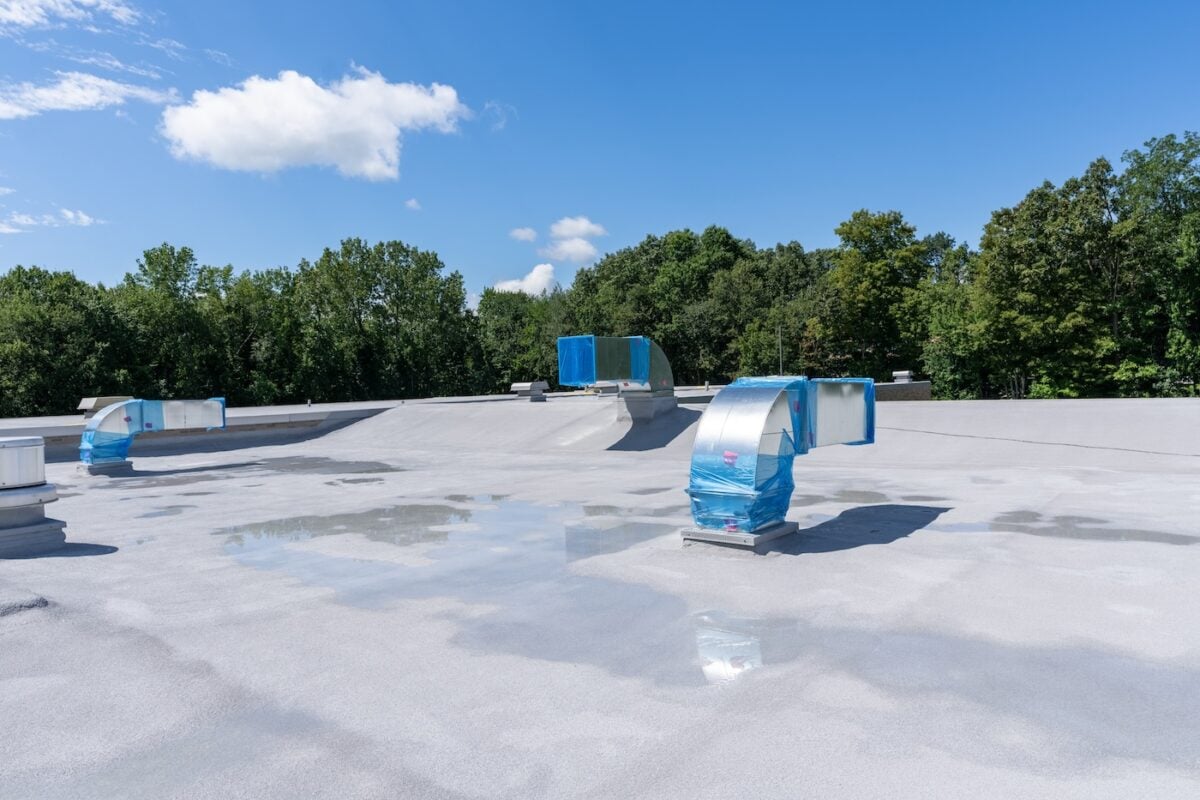
A new flat roof still requires inspections and maintenance to maximize lifespan and prevent avoidable damage.
- Routine inspections: Help identify small issues early.
- Drain cleaning: Keeps water flowing properly off the roof.
- Debris removal: Prevents moisture buildup and membrane damage.
Regular roof maintenance helps property owners protect their investment long after installation is complete.
Comparing Common Flat Roofing Systems
Different flat roofing materials offer different advantages depending on building type, climate, and project goals.
| Roofing System | Typical Lifespan | Key Benefits |
| TPO | 20–30 years | Energy efficient and reflective |
| EPDM | 20–30 years | Flexible and weather resistant |
| PVC | 20–30+ years | Strong waterproofing performance |
| Modified Bitumen | 15–25 years | Durable multi-layer protection |
Choosing the right roofing system depends on roof design, budget, and long-term maintenance expectations.
Signs It May Be Time for a Flat Roof Replacement
Flat roofing systems often show warning signs before major failure occurs. Recognizing these problems early can help property owners avoid structural damage and emergency repairs.
- Recurring leaks: Frequent leaks often indicate membrane failure.
- Ponding water: Standing water remains on the roof after rain.
- Visible cracks or blisters: Roofing materials begin separating or deteriorating.
- Interior water stains: Moisture appears on ceilings or walls.
- Rising repair costs: Repeated flat roof repair work becomes less cost-effective over time.
Professional inspections can help determine whether repairs or full replacement are the better long-term solution.
Common Flat Roof Materials
Flat roofing systems are available in several different materials, each offering unique benefits related to durability, waterproofing, energy efficiency, and maintenance. Understanding the differences between these flat roof types can help property owners choose the best option for their building and budget.
- TPO Roofing: Popular for energy efficiency, reflective performance, and lower cooling costs on commercial buildings.
- EPDM Roofing: Synthetic rubber membrane known for flexibility, weather resistance, and long-term durability.
- PVC Roofing: Strong waterproof membrane that resists chemicals, moisture, and standing water effectively.
- Modified Bitumen: Multi-layer asphalt-based system designed for durability and reliable waterproof protection.
- Built Up Roofing: Traditional layered roofing system made with asphalt and reinforcing fabrics for long-lasting protection.
Choosing the right flat roofing material depends on climate conditions, building design, maintenance expectations, and overall flat roof cost.
Common Questions About Flat Roof Replacement
Flat roof replacement projects often raise questions about costs, timelines, and roofing materials. Understanding the basics helps property owners feel more prepared before construction begins.
How long does a flat roof replacement take?
Most flat roof replacement projects take anywhere from a few days to over a week depending on roof size, weather conditions, and material selection. Larger commercial buildings or projects requiring structural repairs may take longer to complete.
Can a new flat roof be installed over an old one?
In some situations, roofing contractors can install a new membrane over an existing flat roof system if local building codes allow it and the underlying structure remains in good condition. However, a full tear-off is often recommended when moisture damage or insulation problems are present.
What is the best material for flat roof replacement?
The best material depends on the building, climate, budget, and long-term goals of the property owner. TPO, EPDM, PVC, modified bitumen, and built up roofing systems all offer different advantages related to durability, waterproofing, and energy efficiency.
How often should a flat roof be inspected?
Most roofing professionals recommend inspecting flat roofs at least twice per year and after major storms. Routine inspections help identify drainage problems, membrane damage, and flashing issues before they lead to major leaks or structural concerns.
How much does flat roof replacement labor cost?
Labor costs for flat roof replacement generally range between $2.00 and $4.50 per square foot, depending on the roofing material, roof accessibility, and overall project complexity. Factors like tear-off work, insulation replacement, drainage improvements, and the type of flat roofing system being installed can all affect total labor pricing.
How to Choose the Right Flat Roofing Contractor
Hiring the right contractor is one of the most important parts of a successful flat roof replacement project. Experienced contractors help ensure quality installation, reliable waterproofing, and long-term roof performance.
- Verify licensing and insurance: verify that they have a state contractor license and are insured and bonded.
- Review previous projects: Ask potential contractors for references from past work to gauge their reliability and quality of service.
- Compare detailed estimates: Evaluate labor, materials, warranties, and flat roof cost.
- Ask about maintenance plans: Ongoing inspections can help prevent costly repairs.
- Read customer reviews: Look for consistent feedback about communication and workmanship.
Choosing experienced flat roofing contractors helps reduce project risks and improve long-term roof durability.
Reliable Flat Roofing Solutions from Streamline Roofing
Replacing a flat roof is a major investment that requires careful planning, quality materials, and experienced installation. At Streamline Roofing, our roofing pros provide inspections, roof replacement services, maintenance, and flat roof repair solutions designed to improve long-term roof performance for property owners who need a trusted Chula Vista commercial roofing contractor.
We’re proud to serve homeowners and businesses in El Cajon, CA, and nearby communities with dependable flat roofing services. If you’re considering a new flat roof replacement or want a professional inspection, contact Streamline Roofing today to schedule a consultation.