Roofing
9 Roof Waterproofing Methods for Long-Term Protection
Roof waterproofing is one of the most important steps homeowners can take to prevent roof leaks, protect structural integrity, and extend the life of their roofing system. Water intrusion can lead to costly roof repairs, mold growth, and long-term damage if not addressed properly. A well-built waterproof roof with proper sealing, drainage, and protective layers plays a major role in keeping moisture out, especially when integrated into a complete system like those used in modern residential roofing services. Below are the key areas this guide will cover:
- Waterproofing methods: Common solutions used in residential roofing
- Material options: How different systems perform over time
- Installation factors: What impacts long-term effectiveness
- Cost considerations: What influences total project cost
- Maintenance strategies: How to prevent future water damage
Why Roof Waterproofing Is Essential
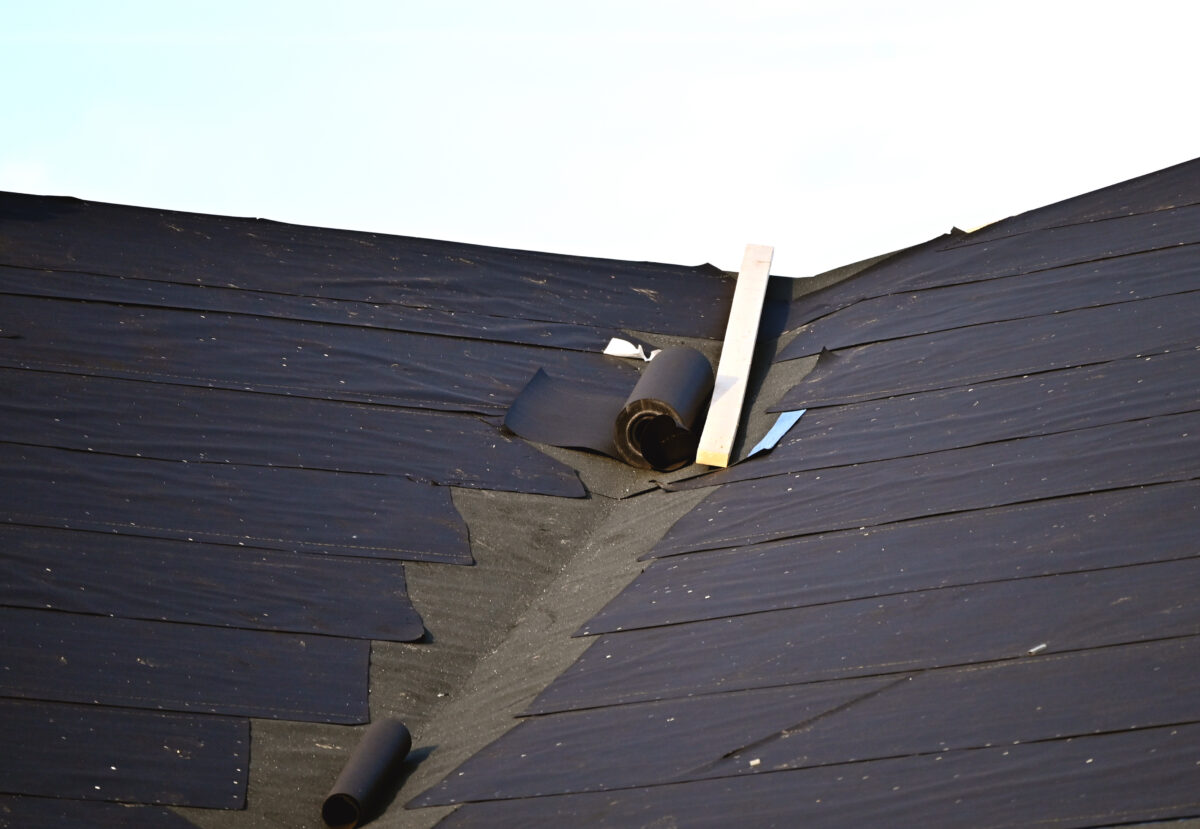
Roof waterproofing helps prevent water from penetrating your roofing system and causing structural damage. Without proper protection, even minor roof leaks can lead to expensive repairs and compromise the integrity of your roof.
Moisture intrusion is one of the leading causes of roof failure, especially on low slope roofs where water tends to sit longer. Installing a strong waterproofing layer creates a watertight seal that protects the underlayment, roof deck, and insulation from long-term deterioration, a common priority for homeowners seeking roofing services in La Mesa.
Common Roof Waterproofing Methods
There are several waterproofing methods available, each designed for different roof types and conditions. Choosing the right method depends on your roof structure, existing roofing material, and long-term goals.
Some of the most common methods include:
- Liquid waterproofing membranes: Applied as a seamless protective coating to create a waterproof roof
- Bituminous waterproofing: Uses asphalt-based materials for durability on low slope roofs
- Sheet membrane systems: Installed layers for consistent coverage
- Cementitious waterproofing: Rigid coating for specific applications
Each option provides different levels of flexibility, durability, and protection depending on your needs.
9 Roof Waterproofing Methods for Long-Term Protection
Understanding these nine methods helps homeowners choose the best solution for their roofing system and prevent long-term damage.
1. Liquid Waterproofing Membrane
Liquid waterproofing creates a seamless barrier that adheres directly to the roof surface, making it ideal for preventing leaks and covering irregular areas. It is commonly used to reinforce vulnerable areas where water tends to collect.
- Seamless protection: Eliminates gaps where water can enter
- Flexible coating: Expands and contracts with temperature changes
- Versatile use: Works well on complex roof designs
2. Bituminous Coating Systems
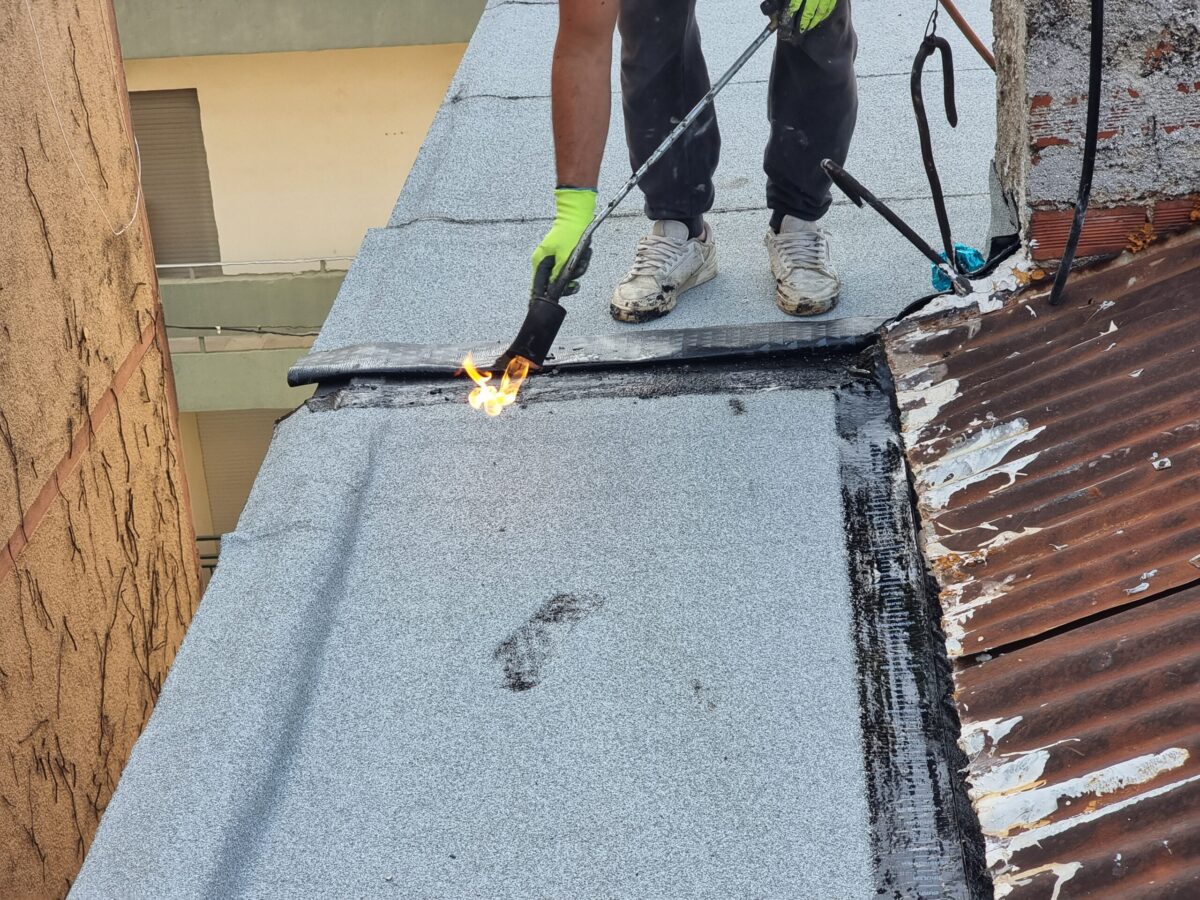
Bituminous systems use asphalt-based materials to create a durable waterproof layer. This method is commonly used on flat roofs and low slope roofs due to its strong moisture resistance.
- Strong adhesion: Bonds well to multiple surfaces
- Water resistance: Provides reliable protection against moisture
- Cost-effective: Suitable for budget-conscious projects
3. Sheet Membrane Waterproofing
Sheet membranes are pre-manufactured materials that are installed across the roof surface. They provide consistent coverage and are often used in larger roof installation projects.
- Uniform application: Provides even thickness across the roof
- Durable surface: Resistant to wear and damage
- Professional install: Requires proper sealing to prevent leaks
4. Polyurethane Waterproofing
Polyurethane coatings offer strong flexibility and durability, making them ideal for roofs exposed to extreme weather conditions and heavy rain.
- High elasticity: Handles expansion and contraction
- Weather resistance: Performs well in harsh climates
- Long lifespan: Suitable for long-term protection
5. EPDM Rubber Membranes
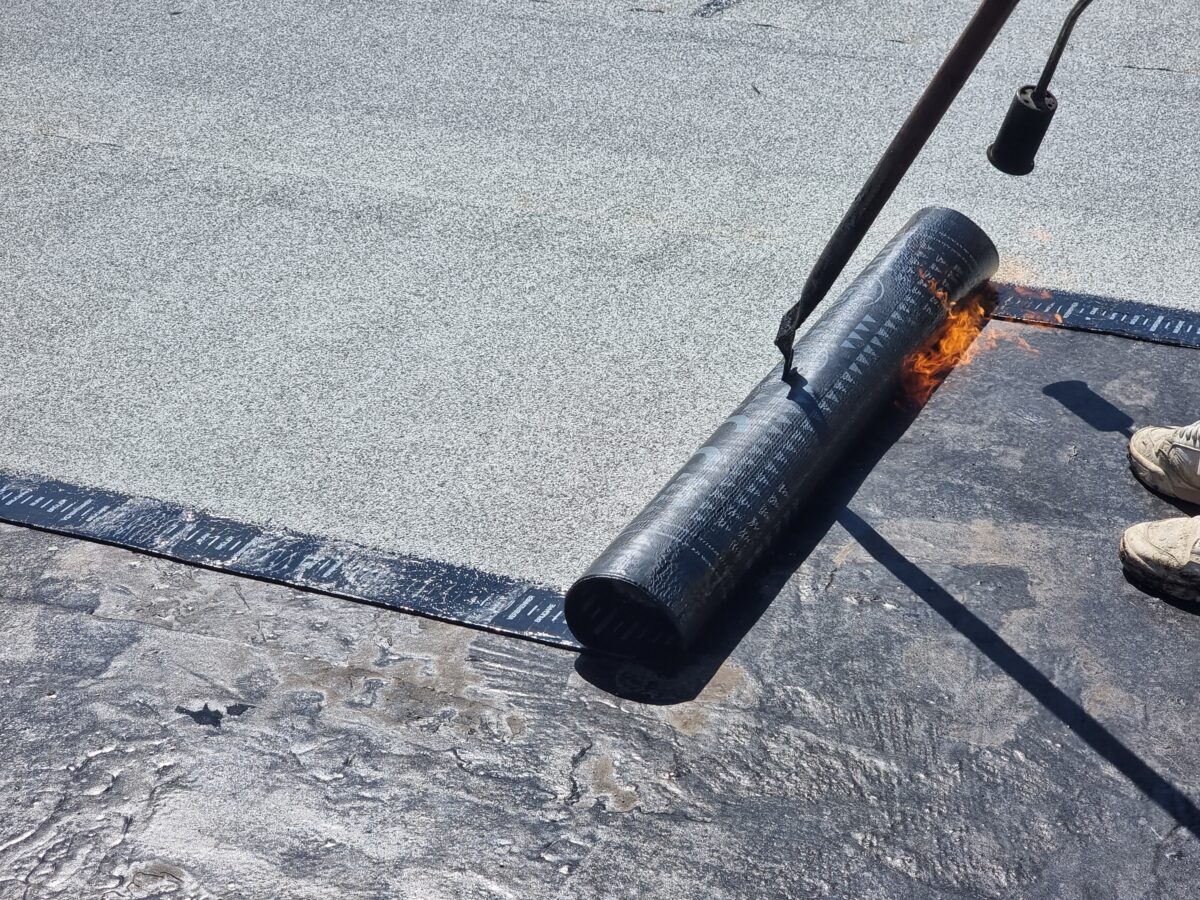
EPDM is a durable synthetic membrane commonly used on flat roofs. It provides long-lasting waterproofing and is widely used in both residential and commercial roofing systems.
- Durability: Resistant to UV exposure and weather damage
- Low maintenance: Requires minimal upkeep
- Longevity: Performs well over decades
6. PVC Waterproofing Systems
PVC membranes provide a strong waterproofing solution with heat-welded seams that create a watertight seal across the roof.
- Seam strength: Prevents water infiltration
- Chemical resistance: Suitable for various environments
- Energy efficiency: Reflects heat to reduce cooling costs
7. TPO Membrane Systems
TPO membranes are popular for their balance of cost and performance. They are commonly used on flat roofing systems and help improve energy efficiency.
- Reflective surface: Reduces heat absorption
- Durability: Resists punctures and UV exposure
- Affordable option: Competitive with other systems
8. Cementitious Waterproofing
Cement-based waterproofing is used in areas that require rigid protection. While it is less flexible, it provides strong resistance in specific applications.
- Simple application: Easy to apply in targeted areas
- Strong bond: Adheres well to concrete surfaces
- Stable protection: Works well for structural areas
9. Silicone Roof Coatings
Silicone coatings are often used to extend the life of an existing roof without requiring a full roof replacement. They provide strong resistance to moisture and UV exposure, making them a practical solution for aging systems.
- Water resistance: Performs well in ponding water conditions
- UV stability: Maintains durability over time
- Restoration solution: Helps extend the life of older roofing systems
Waterproofing Material Comparison
Choosing the right waterproofing system depends on your budget, roof size, and long-term goals.
| Material | Average Cost (per sq ft) | Best For | Lifespan |
| Liquid Membrane | $4 – $8 | Complex roofs | 10–20 years |
| Bituminous | $3 – $6 | Flat roofs | 10–15 years |
| EPDM | $5 – $10 | Commercial roofs | 20–30 years |
| PVC | $7 – $12 | Durable systems | 20–30 years |
| TPO | $5 – $9 | Energy efficiency | 15–25 years |
Selecting the right material depends on your roof structure, exposure to weather, and overall budget, a decision a trusted San Diego roofing contractor can help you make.
Factors That Impact Waterproofing Performance
The effectiveness of roof waterproofing depends on several key factors. Proper installation and ongoing maintenance are critical for long-term results.
Key factors include:
- Installation quality: Proper application ensures a long-lasting watertight seal
- Roof condition: Existing damage must be repaired first
- Climate exposure: Harsh weather conditions affect performance
- Maintenance routine: Regular inspections prevent issues
These elements directly influence how well your waterproof roof performs over time.
Maintenance Tips to Extend Waterproofing Life
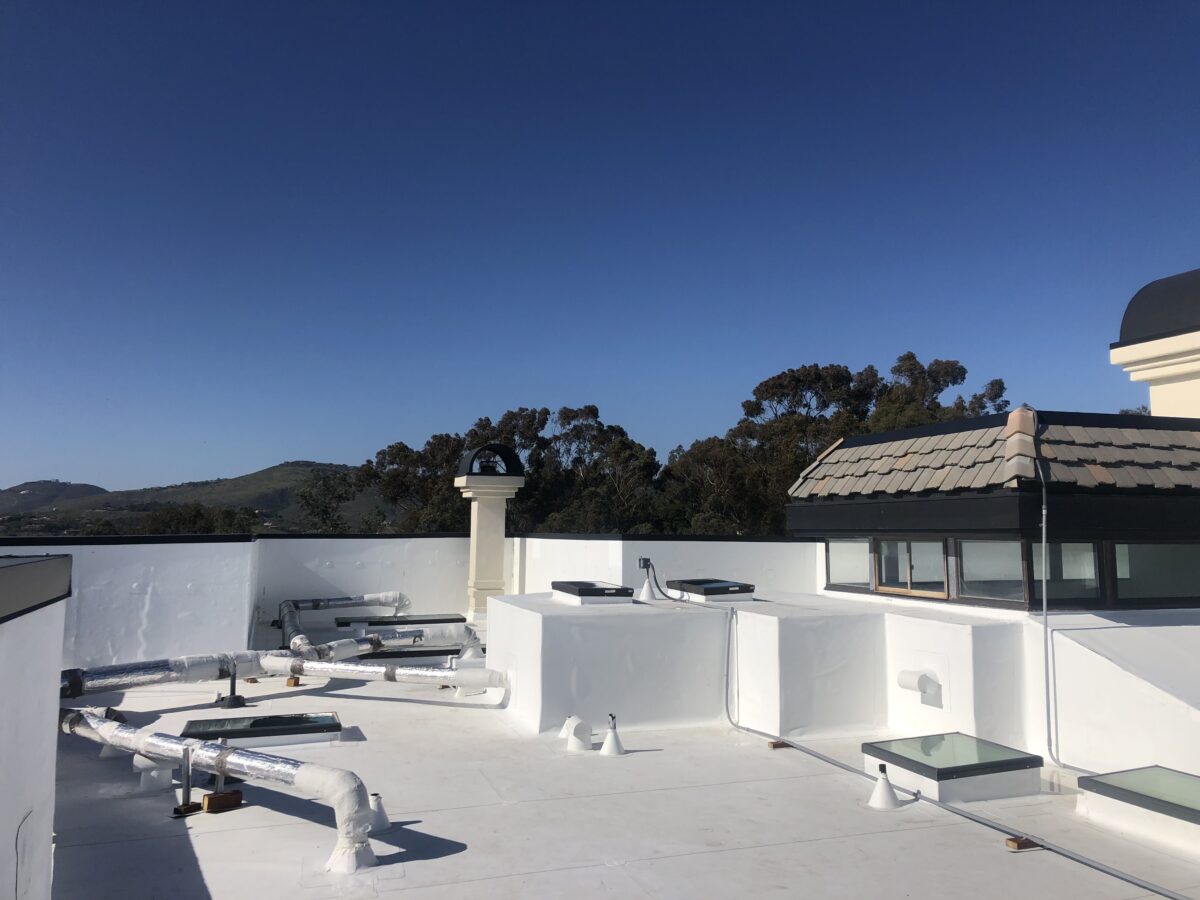
Maintaining your waterproofing system helps prevent roof leaks and extends the life of your roof. Regular upkeep reduces the need for major repairs and protects your investment.
Schedule Regular Inspections
Routine inspections help identify early signs of wear, cracks, or pooling water. Catching these issues early prevents more extensive damage and costly repairs later, especially when paired with ongoing care similar to what is included in professional roof maintenance and inspection services.
Address Minor Issues Quickly
Fixing small cracks or leaks early, often found through professional roof leak detection, prevents them from spreading into larger structural problems. Timely repairs help maintain the effectiveness of your waterproofing system.
Keep Drainage Systems Clear
Proper drainage ensures water flows off the roof efficiently. Keeping gutters and drains clear prevents pooling that can weaken waterproofing materials, especially on walking surfaces.
Clean the Roof Surface When Needed
Using a pressure washer when appropriate helps remove debris, dirt, and buildup that can trap moisture. This is especially important for flat roofs and other exposed areas.
We’re proud to serve homeowners in El Cajon, CA, and nearby communities with roof waterproofing and repair services. Local weather conditions can increase the risk of water damage, making proper protection essential.
Protect Your Roof With Streamline Roofing
Roof waterproofing is one of the most effective ways to protect your home from leaks, structural damage, and costly repairs. Streamline Roofing provides expert solutions designed to strengthen your roofing system and prevent future issues. Whether you need preventative maintenance, repairs, or a full upgrade, our team is here to help homeowners looking for a dependable Bonita roofing company. When you’re ready to move forward, you can request a quote for your roofing project to go over your options and next steps.