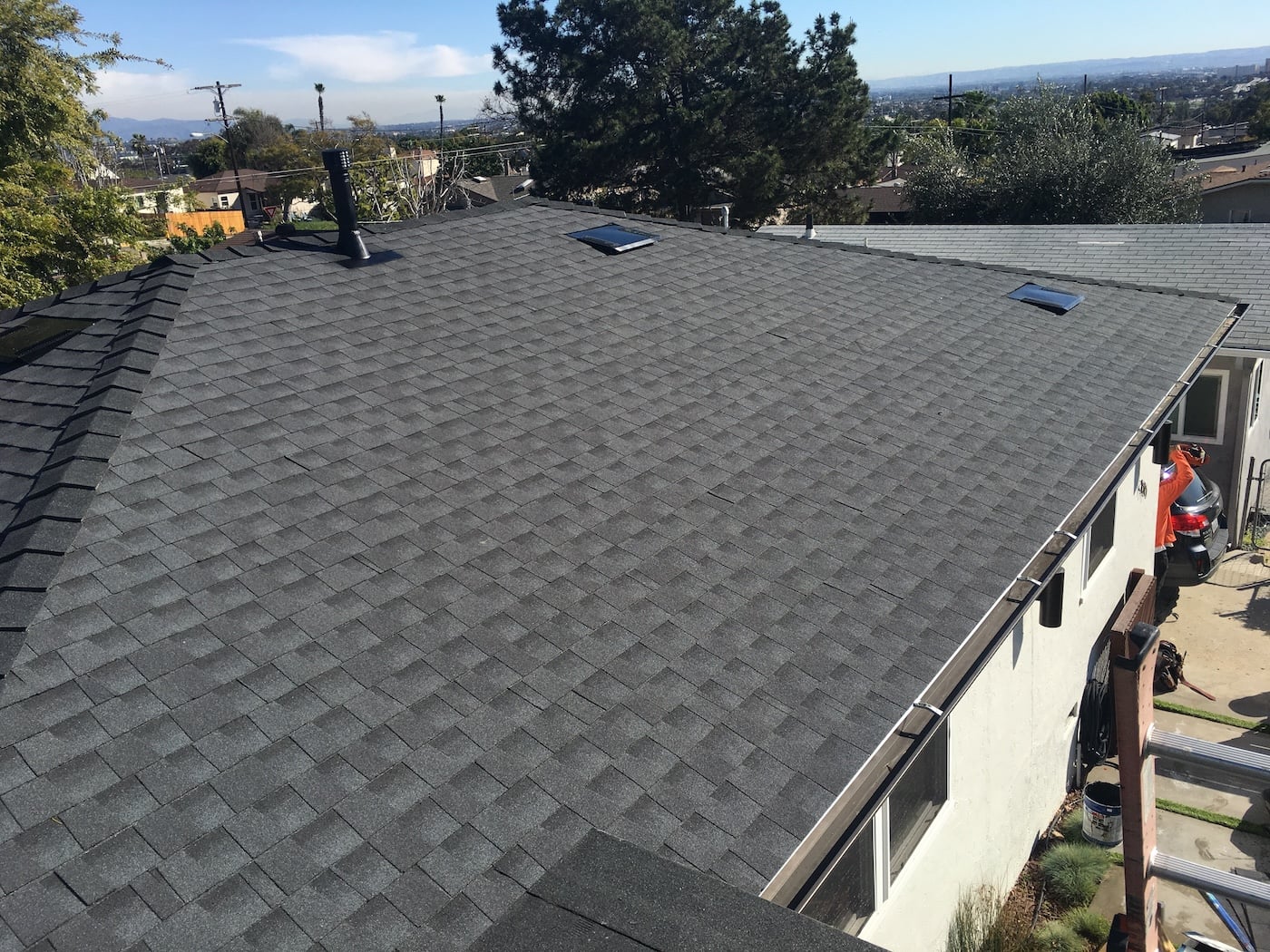
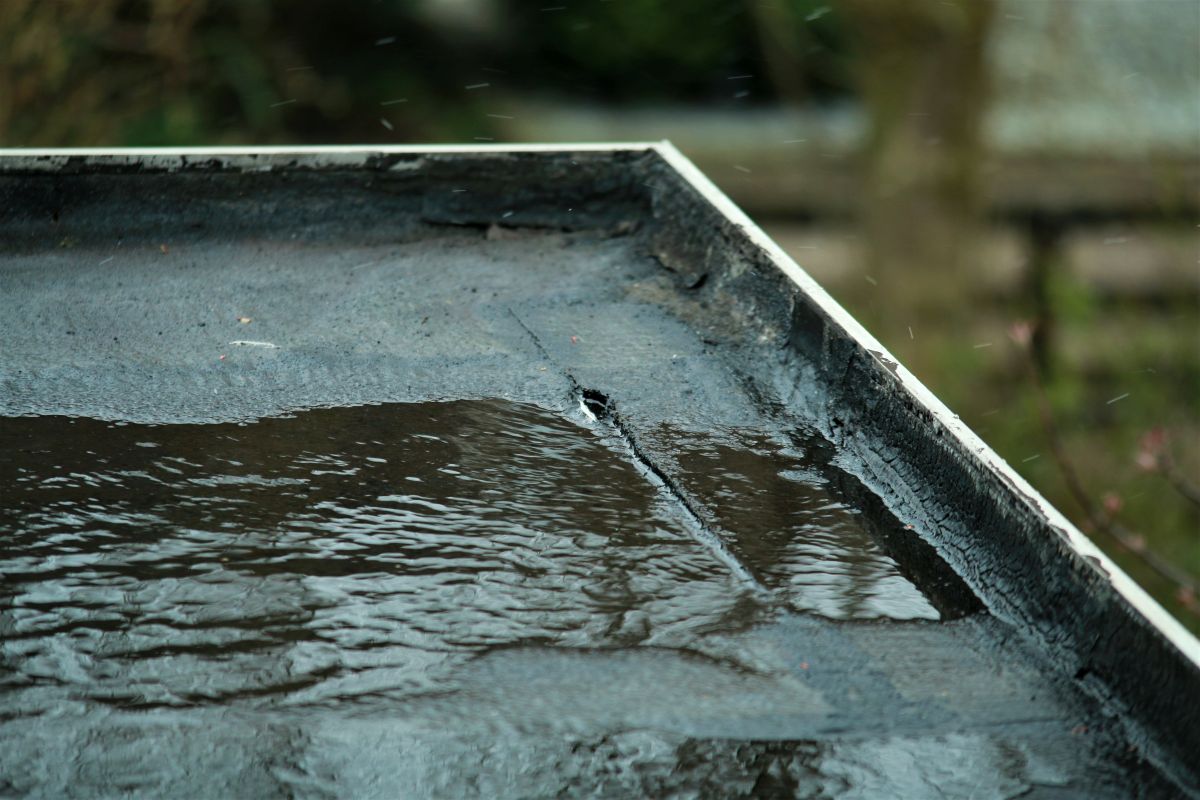
Roofing
8 Roof Leak Detection Methods: How Professionals Find Hidden Leaks
Roof leak detection is the first and most critical step in preventing hidden water damage from turning into major structural problems. Many leaks are not visible right away and can spread behind walls, ceilings, and insulation before homeowners notice any signs. Understanding how professionals locate these hidden issues can help you act faster and protect your home. Below are the key areas this guide will cover:
- Detection methods: How experts locate leaks that are not visible
- Warning signs: Early indicators of hidden moisture problems
- Technology used: Tools professionals rely on for accuracy
- Inspection process: What to expect during a roof evaluation
- Prevention tips: How to reduce the risk of future leaks
Why Roof Leak Detection Is So Important
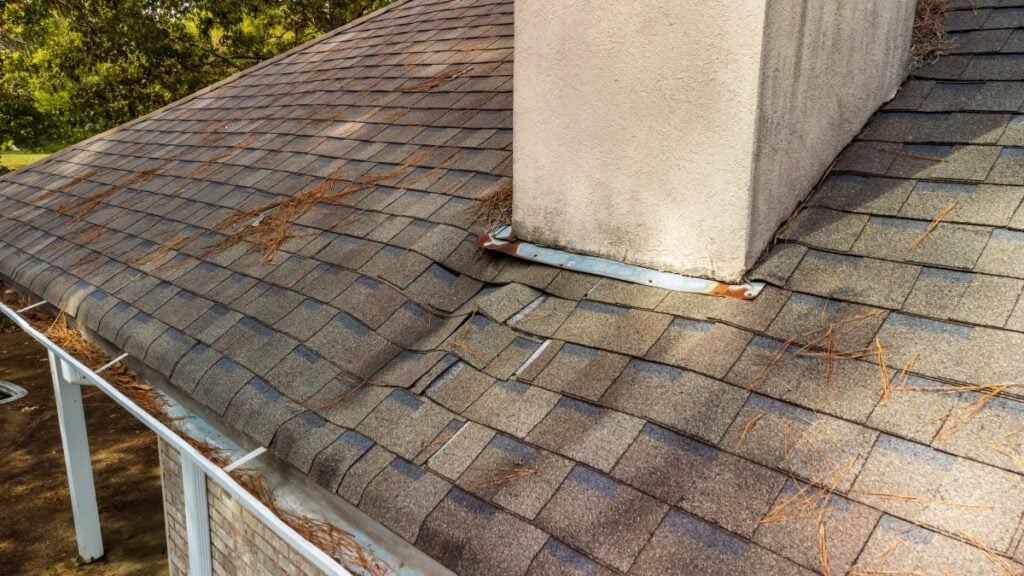
Hidden roof leaks can cause significant damage long before they become visible inside your home. Moisture can travel through roofing layers and structural components, weakening materials and compromising the overall integrity of your roofing system. Early detection helps prevent costly repairs and protects your home from long-term structural issues.
Failing to detect and address minor water intrusions early is one of the leading causes of premature roof failure. This is why regular roof testing and professional evaluations are essential for maintaining long-term performance and avoiding unnecessary replacement, especially for coastal homes that rely on Coronado roofing services.
Common Signs of a Hidden Roof Leak
Many homeowners miss early warning signs because leaks often develop out of sight. Knowing what to look for can help you catch issues before they require extensive repairs or impact your home’s structure.
Some of the most common indicators include:
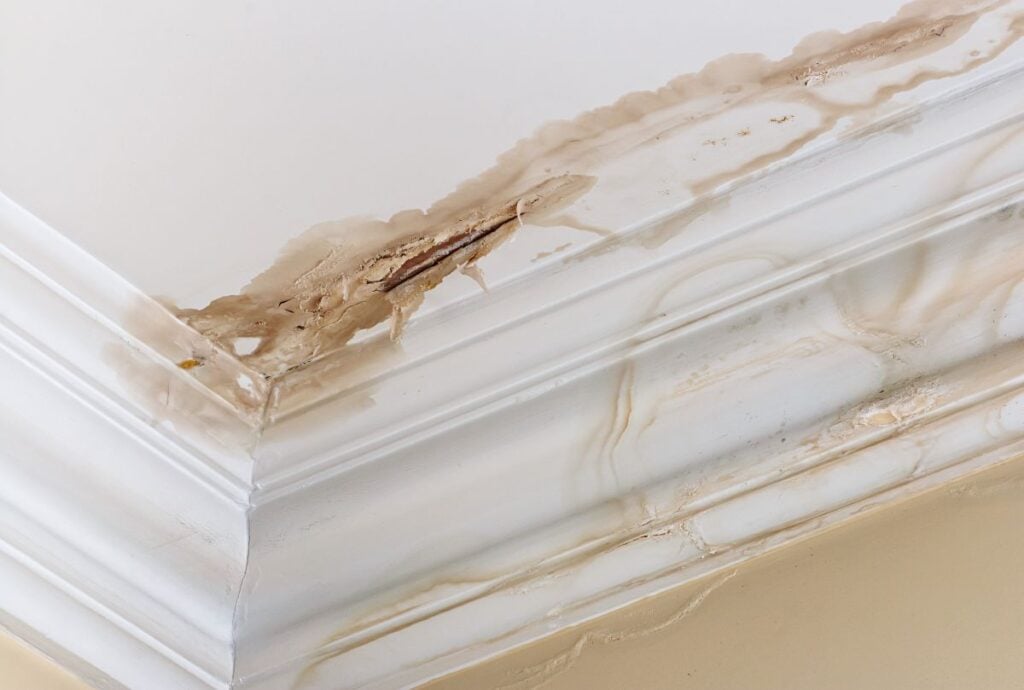
- Ceiling discoloration: Brown or yellow stains often signal water intrusion
- Musty odors: Persistent smells can indicate trapped moisture
- Peeling paint: Moisture behind walls causes bubbling or cracking
- Warped materials: Wood and drywall may swell or deform
- Unexpected energy changes: Wet insulation reduces efficiency
8 Professional Roof Leak Detection Methods
Professionals use a combination of experience and advanced tools to locate leaks accurately. These methods help identify both visible and hidden sources of water intrusion across different roofing systems, including flat roofs and sloped designs.
- Visual roof inspection: Experts examine shingles, flashing, and membrane surfaces for visible damage.
- Attic inspection: Checking insulation and decking helps reveal moisture entry points.
- Water testing: Controlled water flow helps simulate rain and pinpoint leaks.
- Infrared scanning: Detects temperature differences caused by trapped moisture.
- Drone inspections: Provides a safe and detailed view of hard-to-reach areas.
- Moisture meters: Measures water levels inside roofing materials and structures.
- Smoke testing: Identifies airflow gaps where water may enter.
- Core sampling: In some cases, small sections are tested to confirm hidden damage.
Technology Used in Roof Leak Detection
Modern roofing professionals rely on advanced tools to improve detection accuracy and reduce unnecessary disruption. These technologies allow contractors to identify leaks quickly while protecting the structure during the inspection process.
Infrared Thermal Imaging
Infrared cameras detect temperature differences across roofing surfaces, revealing moisture trapped beneath shingles or membrane systems. This allows professionals to locate leaks without damaging the roof.
Electronic Leak Detection
Electronic leak detection has become a preferred method in the roofing industry due to its speed, accuracy, and affordability compared to traditional techniques. It is especially effective on flat roofs where membrane systems require precise pinpointing of moisture entry points.
Continuous Monitoring Systems
Continuous monitoring systems provide real-time alerts when moisture is detected within the roofing structure. This allows homeowners and contractors to respond immediately, reducing the risk of water damage and mold growth.
What to Expect During a Professional Roof Inspection
A professional inspection follows a structured process designed to uncover both visible and hidden issues. Understanding this process helps homeowners feel more confident when scheduling an evaluation.
Contractors assess both exterior and interior components to identify potential problems. This includes reviewing roofing materials, roof flashing, ventilation systems, and underlying structures.
Key steps include:
- Exterior evaluation: Checking shingles, flashing, and roof penetrations
- Interior inspection: Looking for moisture in insulation and attic spaces
- Leak identification: Pinpointing where water enters the roofing system
- Repair planning: Recommending solutions based on severity and structure
Roof Maintenance Helps Prevent Hidden Leaks
Routine roof maintenance is one of the most effective ways to reduce the risk of hidden leaks. Consistent care helps preserve the integrity of your roofing system and prevents small issues from turning into significant damage.
Regular professional inspections, ideally twice a year, help catch roofing problems early and reduce the need for extensive repairs. These routine checks are one of the most reliable ways to maintain long-term roof performance.
Important maintenance tasks include:
- Routine inspections: Scheduling biannual professional evaluations
- Gutter cleaning: Preventing water buildup that can affect roof edges
- Debris removal: Keeping the roof surface clear of leaves and buildup
- Flashing checks: Ensing seals remain secure around penetrations
Emergency Leak Detection Situations
Some roofing issues require immediate attention due to the risk of rapid water intrusion. Emergency leak detection focuses on identifying the source quickly to prevent further structural problems and interior damage.
Severe weather, improper installation, or sudden impact events can lead to urgent situations, including winter storms that affect roofing in Julian and other mountain communities. Acting quickly reduces repair costs and limits damage to the home.
Common emergency indicators include:
- Active water dripping: Indicates immediate intrusion
- Sagging ceilings: Suggests structural stress from moisture
- Large exposed areas: Missing materials or compromised sections
- Storm damage: High winds or debris impacting the roof
Preventing Future Roof Leaks
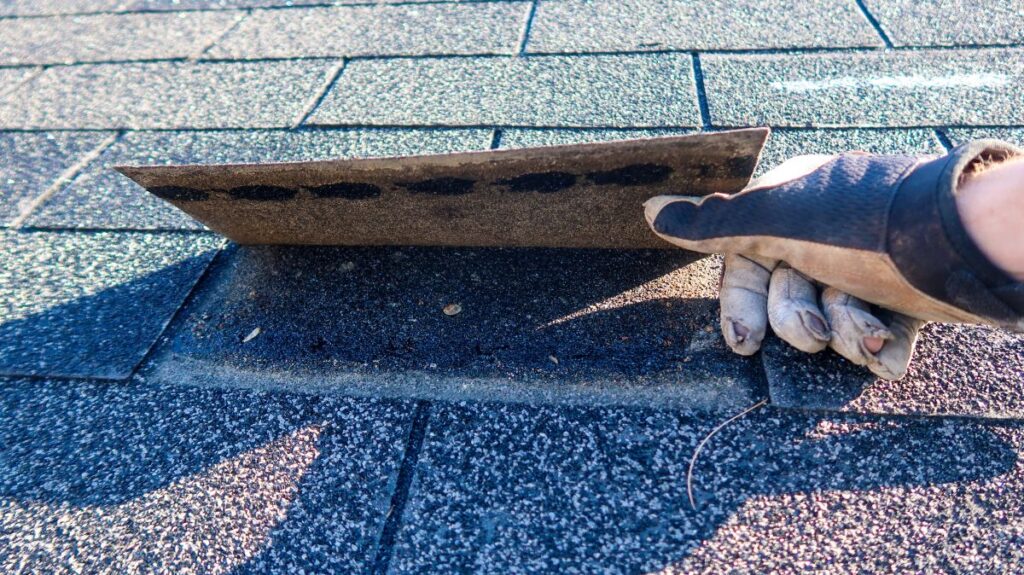
Preventative care is essential for maintaining a strong and reliable roofing system. Combining regular maintenance with professional inspections reduces the need for extensive repairs and unexpected issues.
Homeowners who take proactive steps often avoid costly restoration and preserve their roof’s performance. Prevention is the most effective way to maintain long-term durability.
Helpful prevention strategies include:
- Regular inspections: Identify issues before they worsen
- Proper ventilation: Reduces moisture buildup in attic spaces
- Timely repairs: Fix minor problems before they spread
- Quality installation: Ensures roofing materials perform as intended
We’re proud to serve homeowners in El Cajon, CA, and nearby communities with leak detection and repair services. Local weather conditions can increase the risk of hidden leaks, making routine inspections especially important.
Protect Your Home With Streamline Roofing
Hidden leaks can lead to significant damage if left untreated, but professional detection services help catch problems early. Streamline Roofing provides detailed inspections, advanced detection methods, and reliable repair solutions designed to protect your home. Whether you need maintenance, emergency service, or full roof replacement, our team is ready to help homeowners seeking a trusted roofing company in Bonita. Contact Streamline Roofing today to schedule your inspection and protect your home’s long-term integrity.